
Choosing the right data transfer technology is key to efficient inventory management. When comparing RFID vs NFC, LocaXion highlights the difference between long-range, bulk scanning and secure, short-range interactions. Understanding these technologies helps you select the best solution for accurate and efficient asset tracking.
Learn more here: https://locaxion.com/blogs/rfid-vs-nfc-tags/
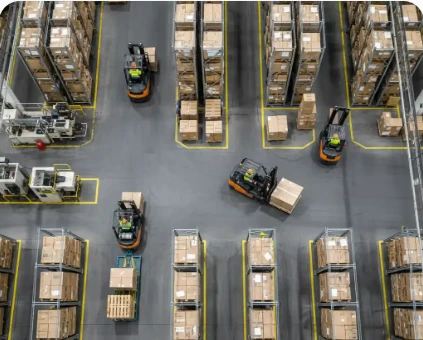
Forklift telematics provides real-time insights into equipment usage and movement, helping improve visibility, reduce downtime, and support better decisions. With tracking and alerts, businesses can optimize workflows and create a more efficient, data-driven warehouse environment. Learn more: https://locaxion.com/blogs/forklift-telematics-fleet-management-solution/

This article explains what IoT sensors are, how they work, and their role in collecting real-time data for industrial automation, asset tracking, and RTLS-based smart systems.

This article explains how RTLS-based wearable tracking enhances lone worker safety by enabling real-time monitoring, instant emergency response, and improved compliance in industrial environments.
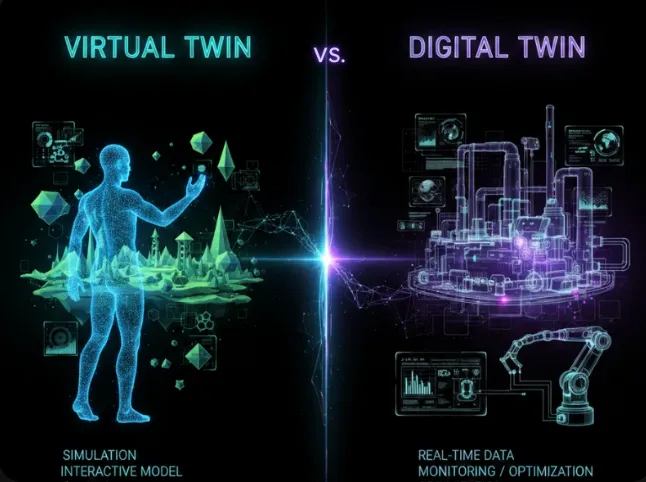
This article explains Digital Twin vs Virtual Twin in detail, highlighting how they differ in real-time data integration and how RTLS enhances industrial simulation for improved accuracy, visibility, and facility optimization.
This article explains how CSS Spectrum technology enhances long-range industrial connectivity by providing stable tracking, strong interference resistance, and improved battery efficiency for large-scale asset management.
This article explains how CSS Spectrum technology enhances long-range industrial connectivity by providing stable tracking, strong interference resistance, and improved battery efficiency for large-scale asset management.

LocaXion’s UWB RTLS is an advanced tracking system that provides highly accurate, real-time location data for industrial facilities. It works reliably even in complex environments with metal structures where traditional systems may fail. It helps improve operational visibility, streamline workflows, and enhance supply chain coordination by accurately tracking assets and reducing delays. Overall, it enables better efficiency, control, and smoother facility management.
FDA’s new QMSR takes effect on 2nd Feb 2026, making manual systems insufficient for medical device and pharma compliance. RTLS goes beyond asset tracking to automate audits, support ISO 13485, and meet FDA QMSR requirements.
When production and quality teams work in silos, systems may show quarantine while parts move on the floor. LocaXion explains how a unified Digital Twin aligns data and reality to prevent FDA inspection failures.
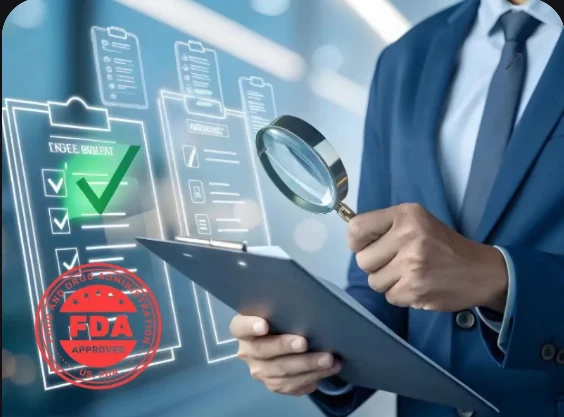
An FDA 21 CFR Part 11 checklist secures digital records, but QMSR requires physical verification. LocaXion shows how real-time location intelligence and Digital Twins ensure records match shop-floor reality.
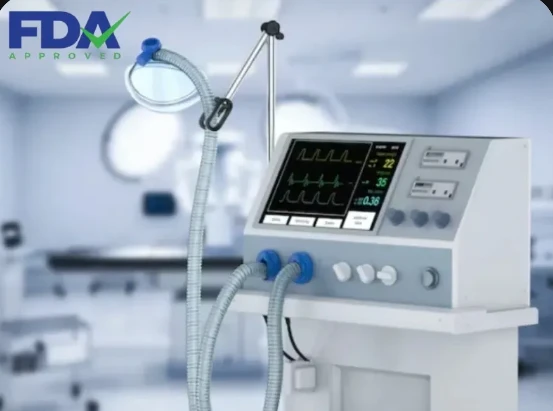
Maintaining FDA approved medical devices requires strong nonconforming product control. QMSR demands verifiable identification and segregation. LocaXion shows how Digital Twins replace paper tags to ensure continuous physical control.
ISO 13485 outlines quality processes, but QMSR requires physical proof on the shop floor. LocaXion shows why paper trails fall short and how location intelligence verifies that quality controls truly exist.
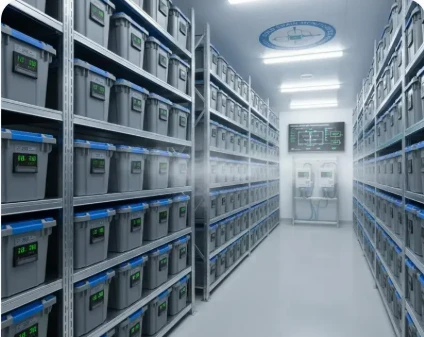
Architecting RTLS-driven cold chain monitoring solutions for compliance, quality, and reduced waste.
Designing vendor-agnostic RTLS architectures that power a smarter, data-driven digital twin supply chain.