

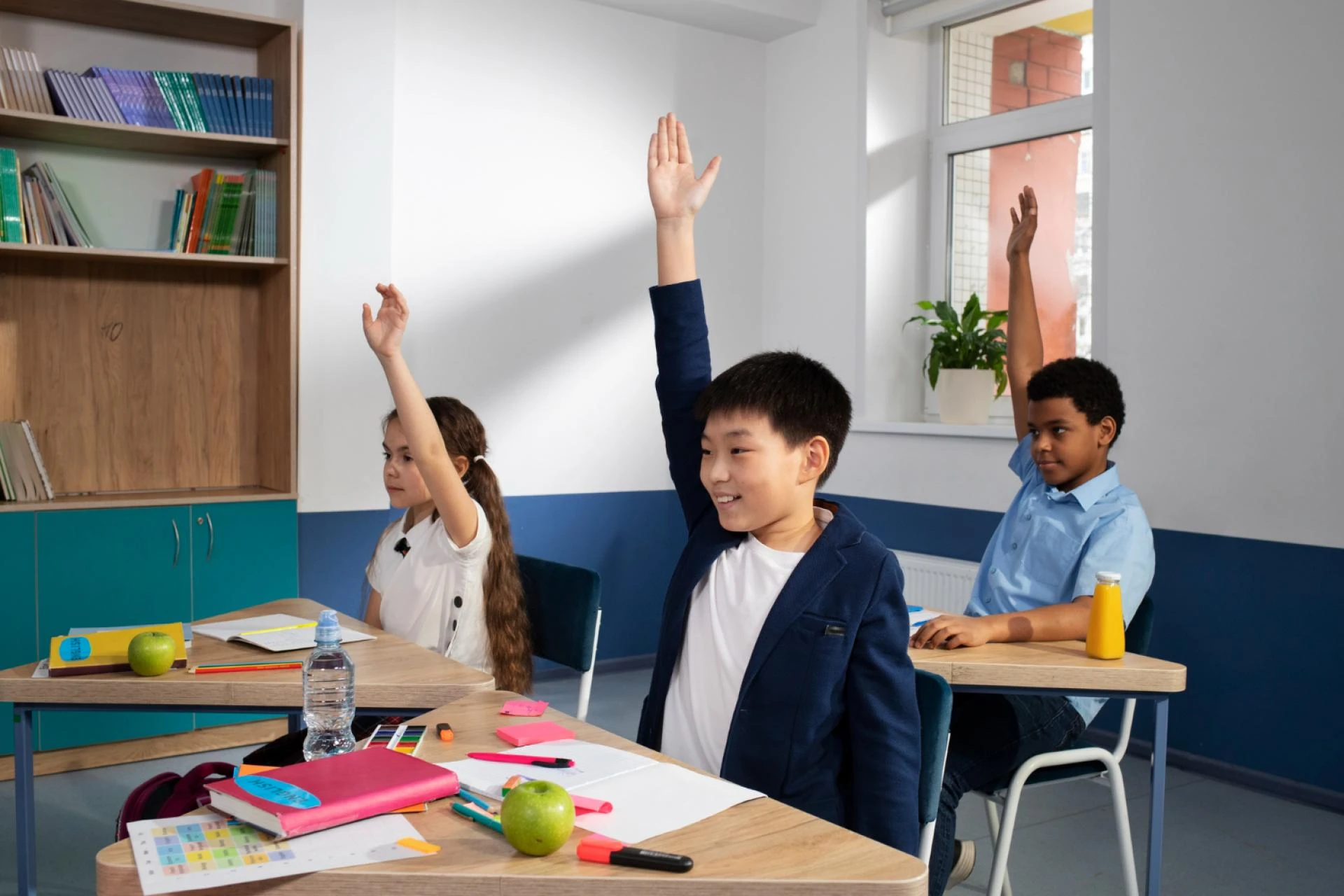
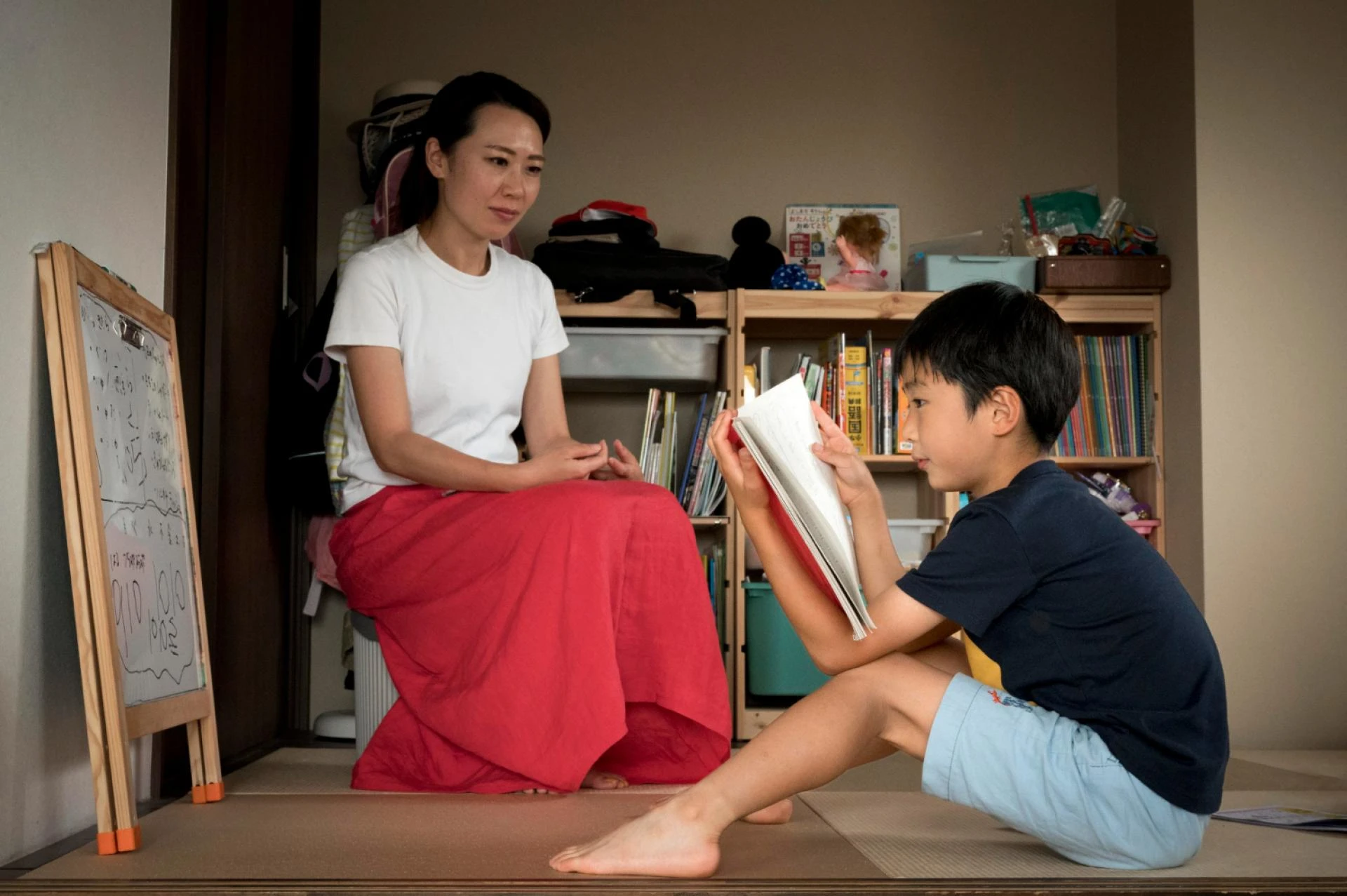
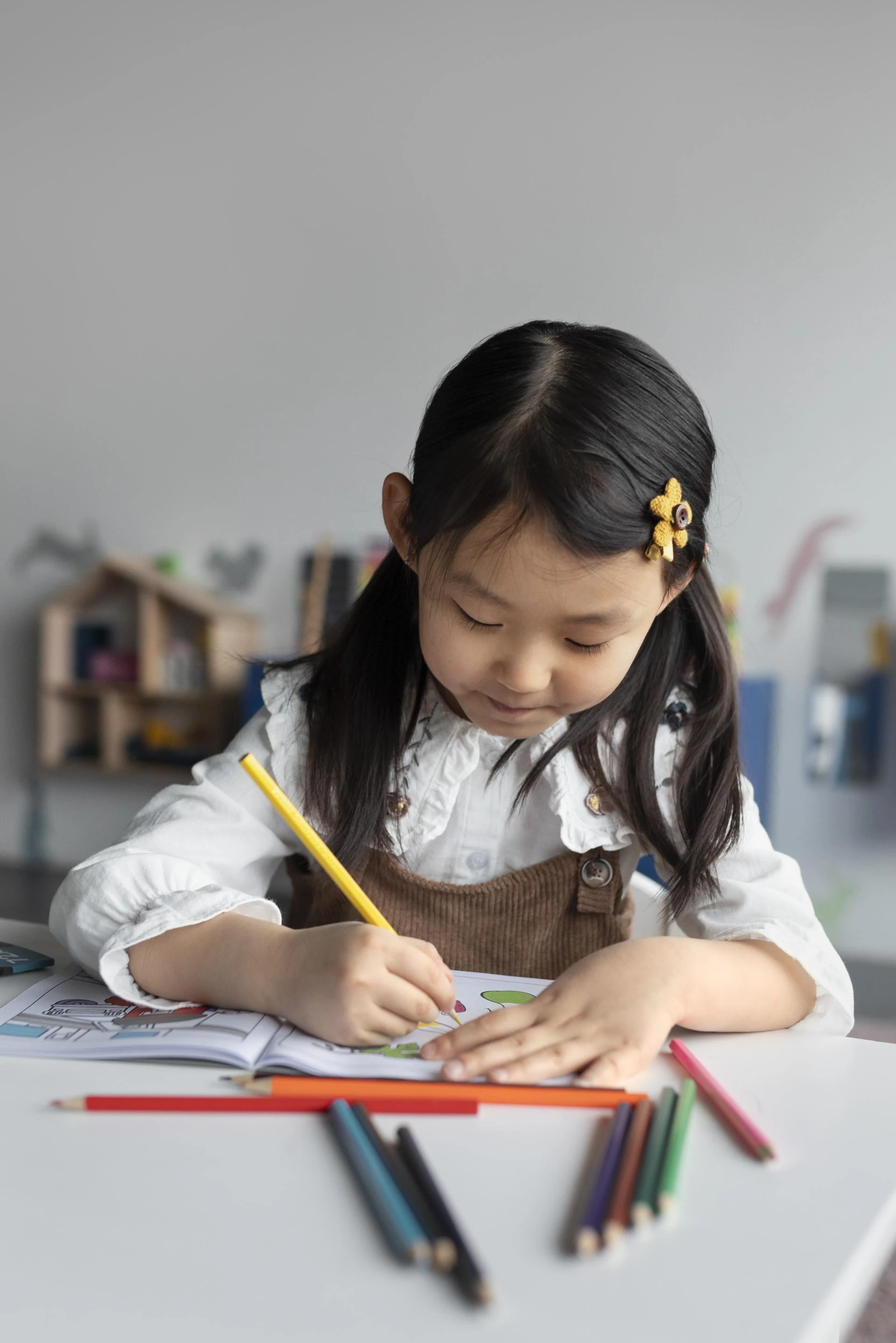
Is an HSK online course real learning or just screen time? This article breaks down what actually makes online HSK preparation work for kids, from structured curriculum and active engagement to real speaking practice and teacher guidance. It helps parents understand when online learning supports genuine progress, and when it does not.
Many parents are surprised to learn that most HSK struggles have little to do with intelligence or effort. From weak listening habits to poor vocabulary retention and exam-time panic, small gaps can quietly add up. This article breaks down where most HSK learners stumble and shows parents what a strong HSK class should really be teaching to help kids build confidence and perform better.
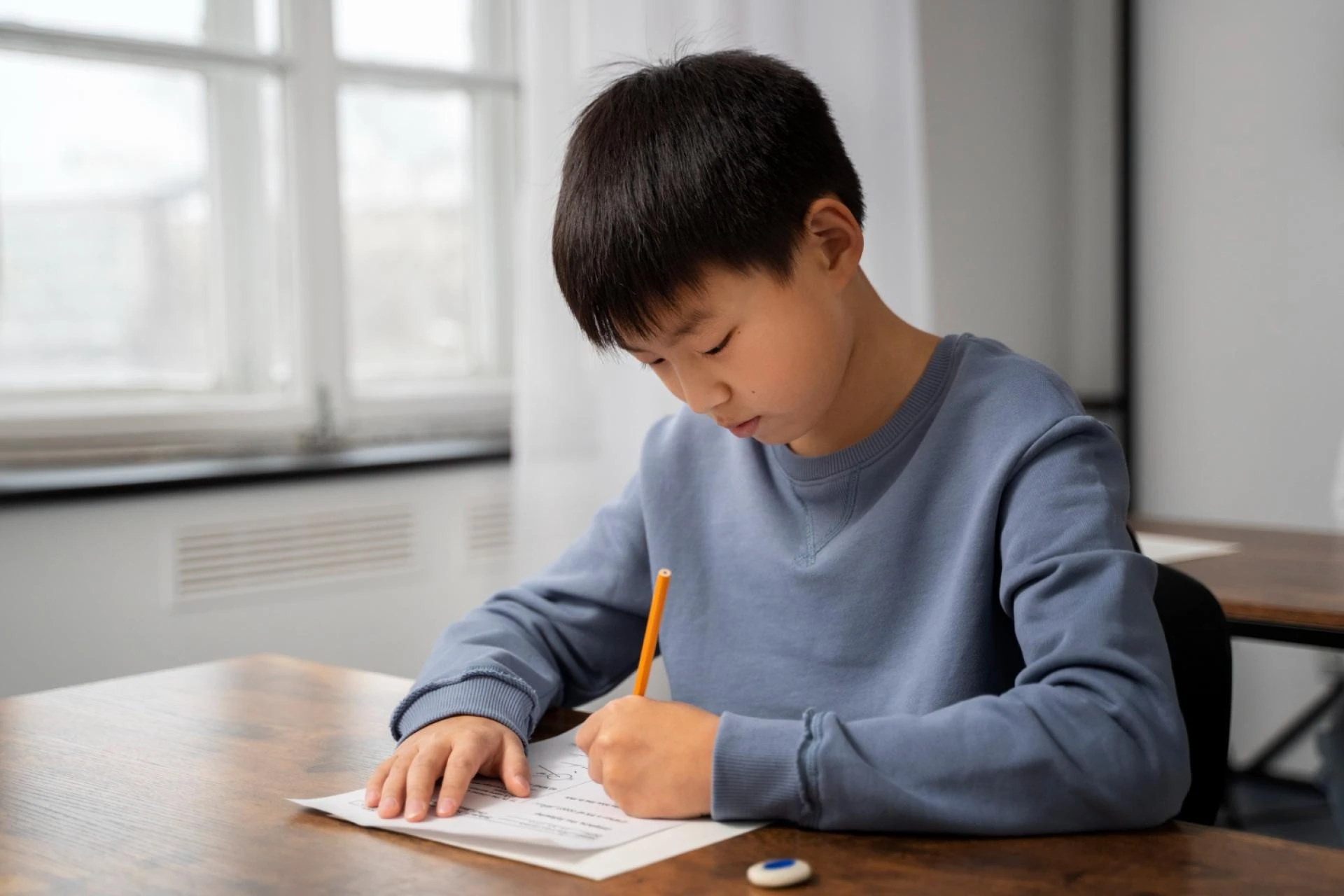
Many parents think the YCT is only for fluent Mandarin speakers, but the early levels are actually perfect for beginners. This guide explains why YCT Level 1 and 2 boost confidence, when kids are ready to begin, and how a structured programme makes the journey far less intimidating.
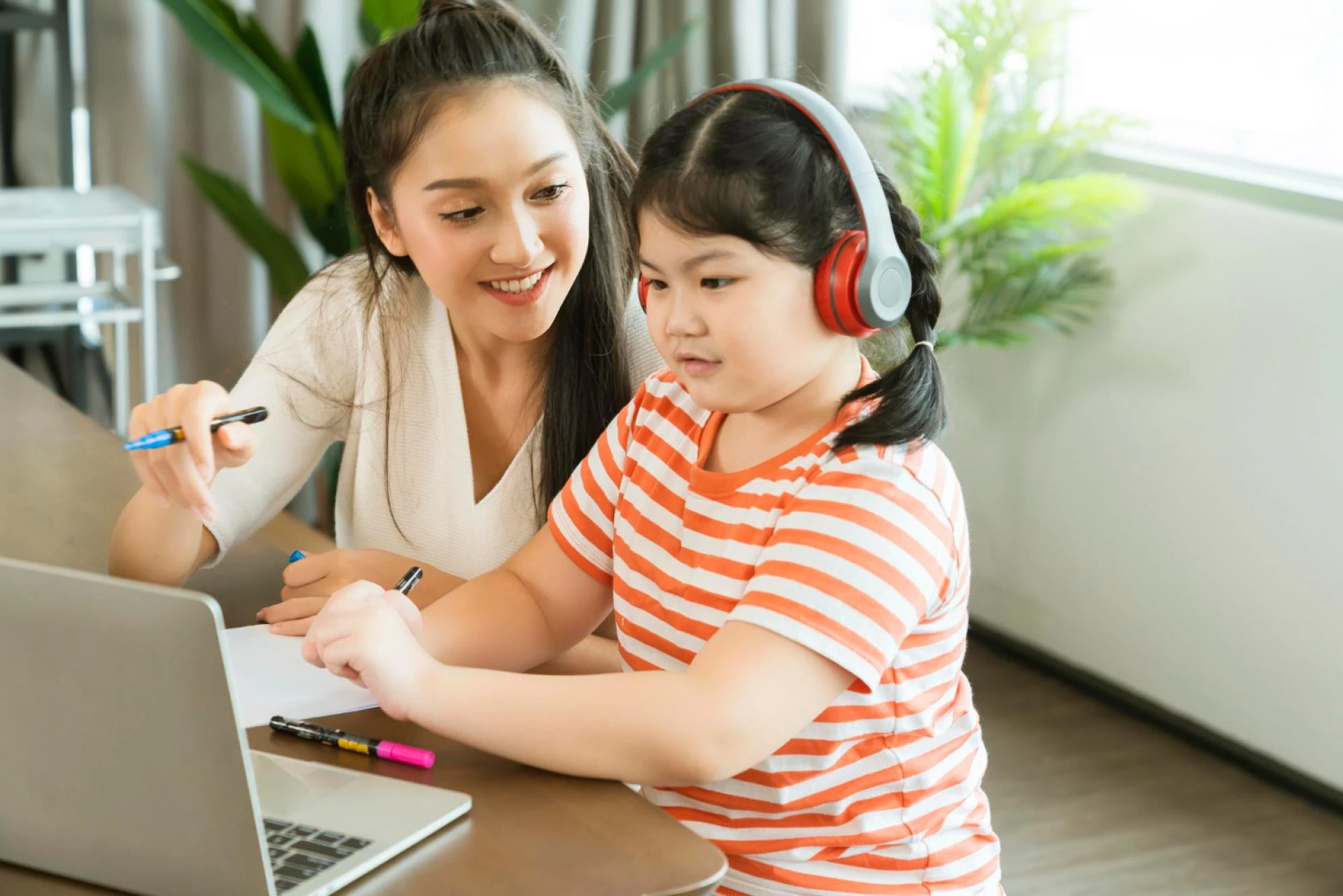
One of the biggest benefits of an HSK Online Course is flexibility. Instead of rushing through traffic after school or squeezing lessons into an already packed weekend. But can really replace in-person lessons?
With the right balance of fun, structure, and encouragement, kids can not only stick with their lessons but actually enjoy the process.

If your child is preparing for HSK, you’ve probably thought about signing them up for an HSK online course. It’s flexible, it saves travel time, and it feels modern enough to fit into a busy family schedule. But here’s the catch: while studying online can be incredibly effective, many kids fall into the same traps that make their progress slower than it should be. And if you’ve been frustrated by a lack of improvement even after hours of lessons, chances are one of these mistakes is happening right under your nose.
There’s a better way to pass the HSK. One that doesn’t wreck your mental health or make you hate Mandarin in the process.
Too often, our kids can fill in the blanks but can’t hold a conversation. They memorise entire model compositions but can’t tell you how their day went in Chinese. And as parents, we’re left wondering: are we setting them up to succeed on paper but struggle in life?