

This article explains why logistics companies are investing in smart management software to improve efficiency, reduce operating costs, optimize routes, and gain real-time fleet visibility. It highlights the benefits of logistics, fleet, and transportation management systems powered by automation, analytics, and AI-driven insights for smarter business operations.

This article explains how fuel GPS monitoring devices help commercial vehicle operators gain complete visibility into fuel usage and vehicle movement. By combining GPS fleet tracking and fuel sensor technology, these systems provide real-time data on fuel levels, mileage, route deviations, and driver behavior. The article highlights the key features that define the best fuel GPS monitoring devices, including instant theft alerts, idle time monitoring, cloud-based reporting, and route optimizati
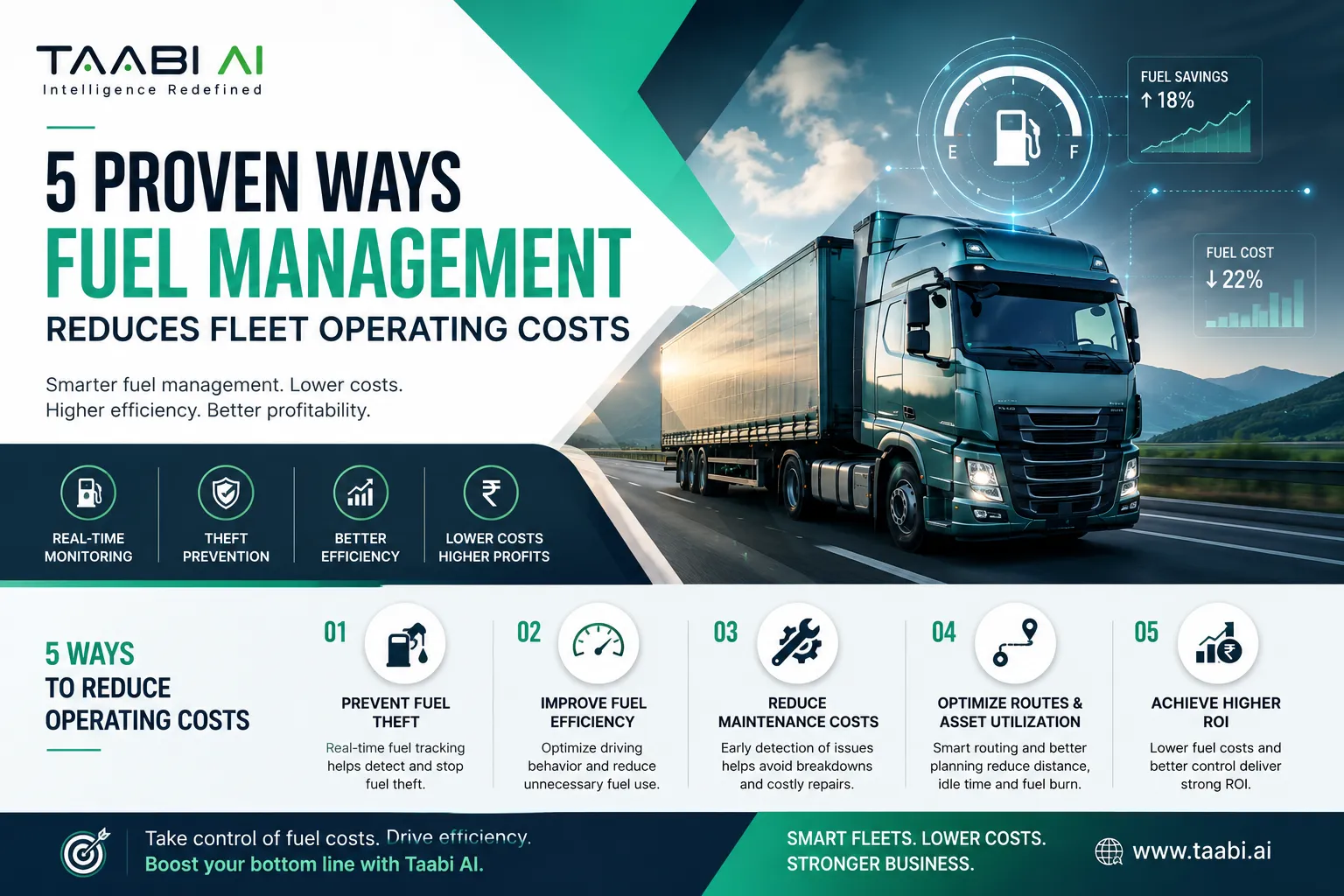
This article explains how fuel management systems help transport and logistics companies reduce fleet operating costs and improve profitability. Fuel is one of the largest expenses in fleet operations, and even small inefficiencies can significantly impact margins. By implementing a modern fuel management system, businesses gain real-time visibility into fuel consumption, vehicle performance, and driver behavior.
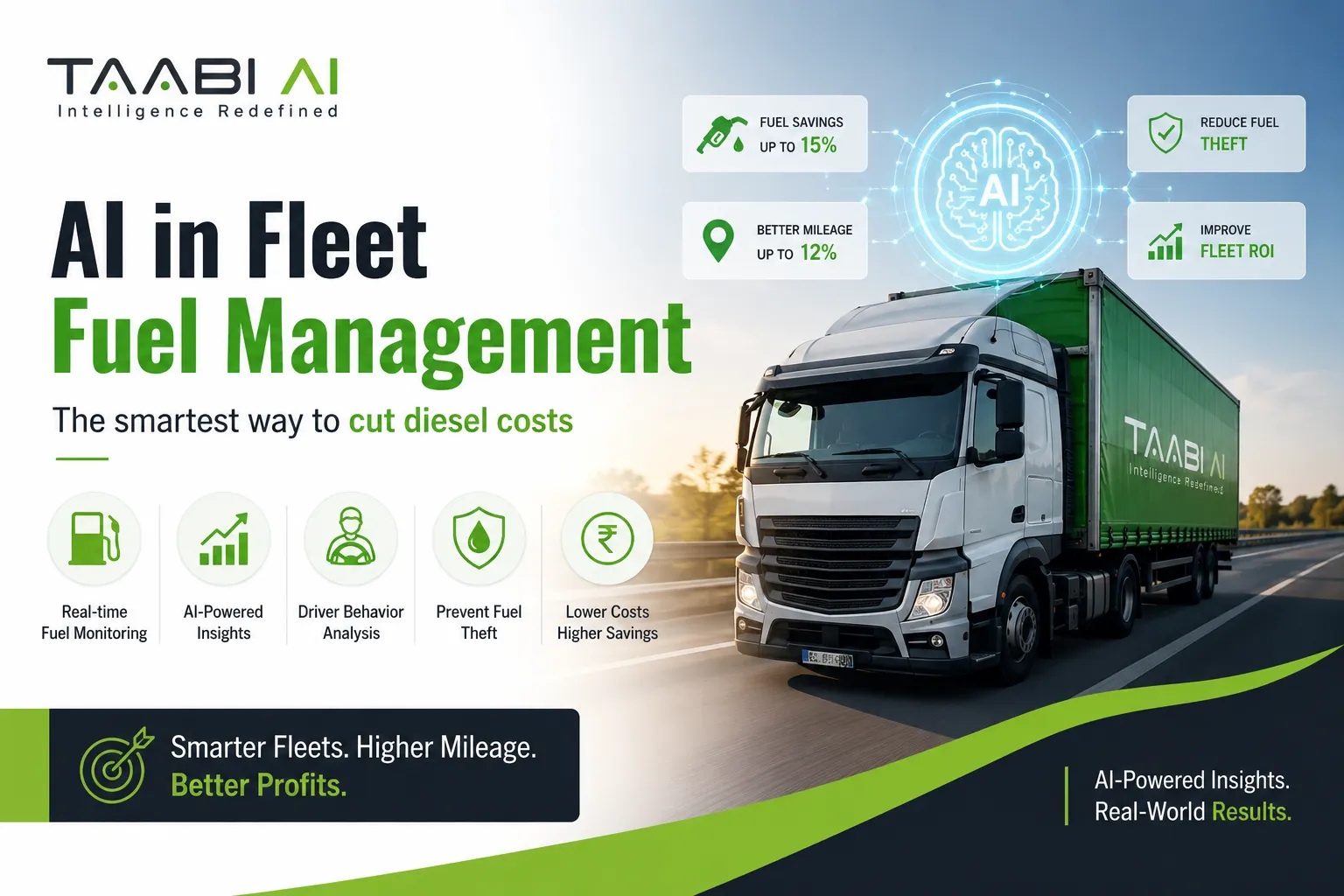
This article explains how AI-powered fleet fuel management helps transport companies reduce diesel costs and improve operational efficiency. It covers real-time fuel monitoring, fuel theft detection, driver behavior analysis, route optimization, and predictive maintenance. The article also highlights the role of BS6 vehicles and demonstrates how fuel management systems deliver measurable ROI through lower fuel consumption, better mileage, and increased fleet uptime.
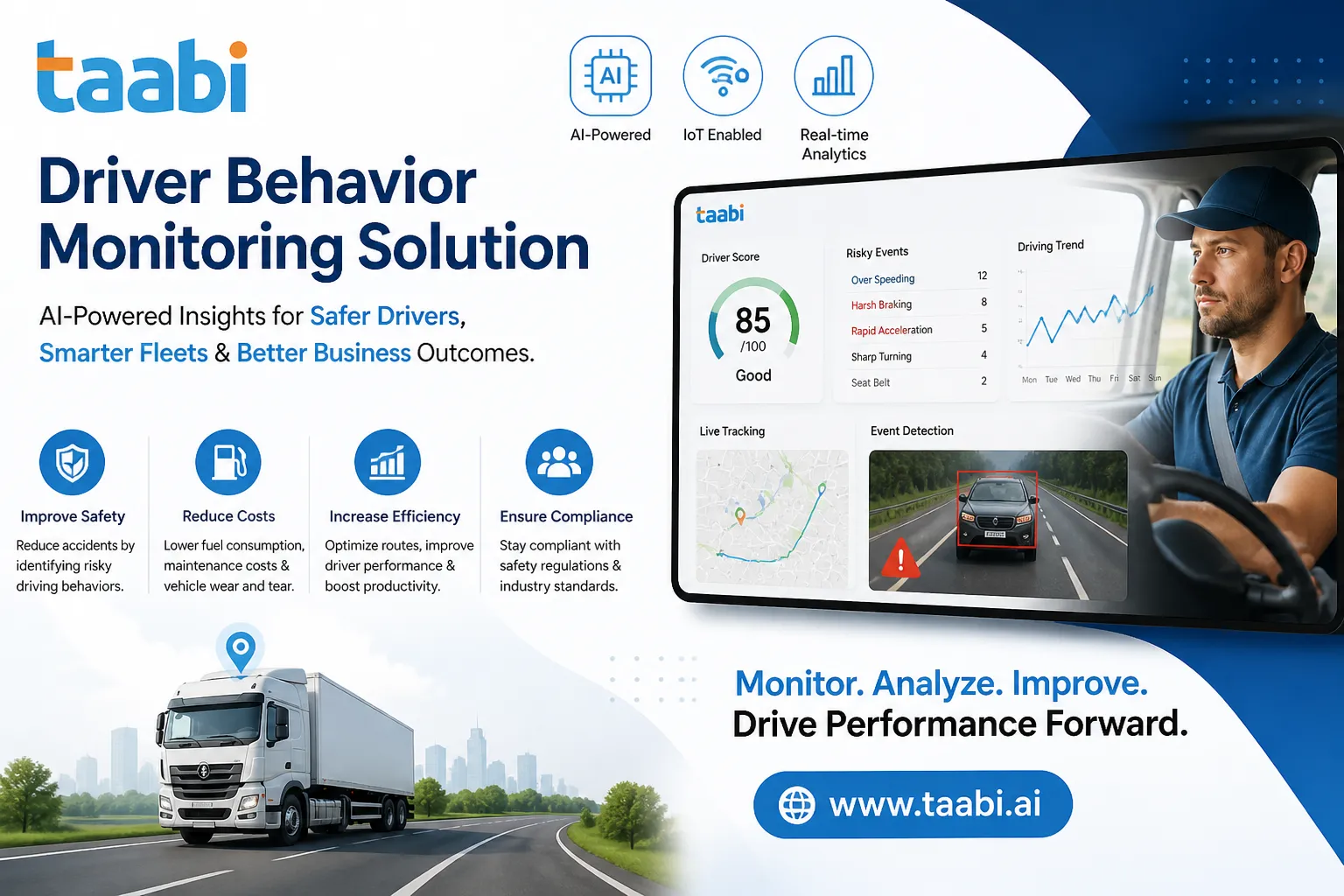
Driver behavior monitoring helps improve fleet safety and reduce costs. A smart driver behavior monitoring system tracks driving habits like braking, speed, and idling, helping businesses save fuel, prevent accidents, and improve overall efficiency.