
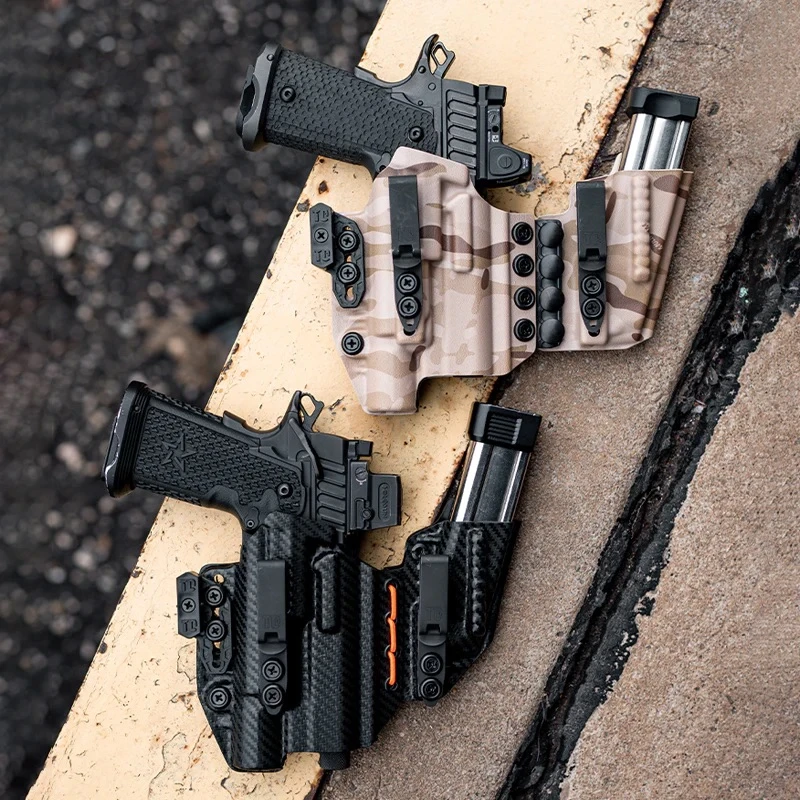
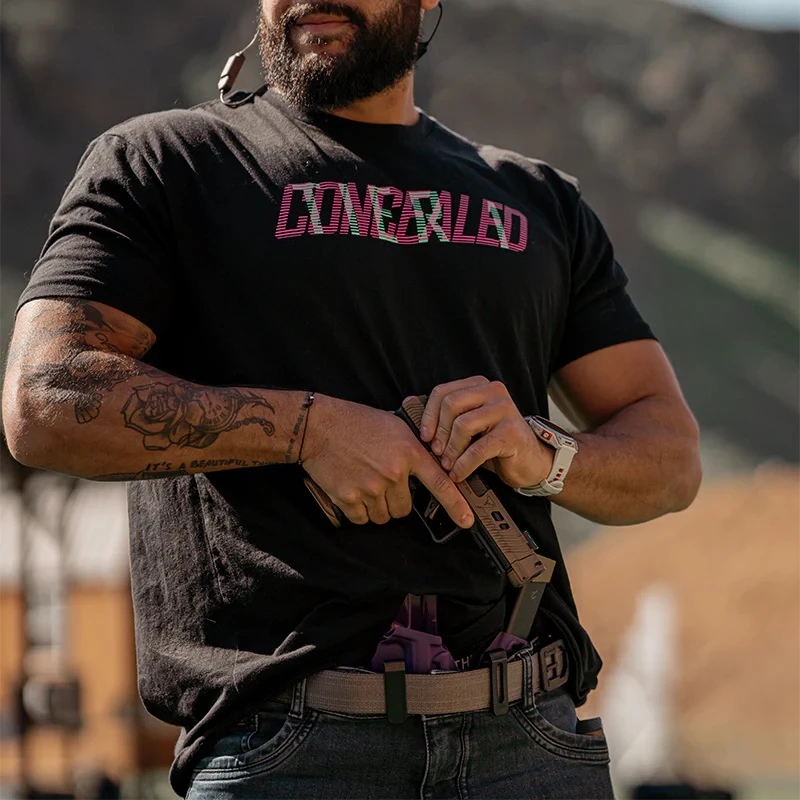
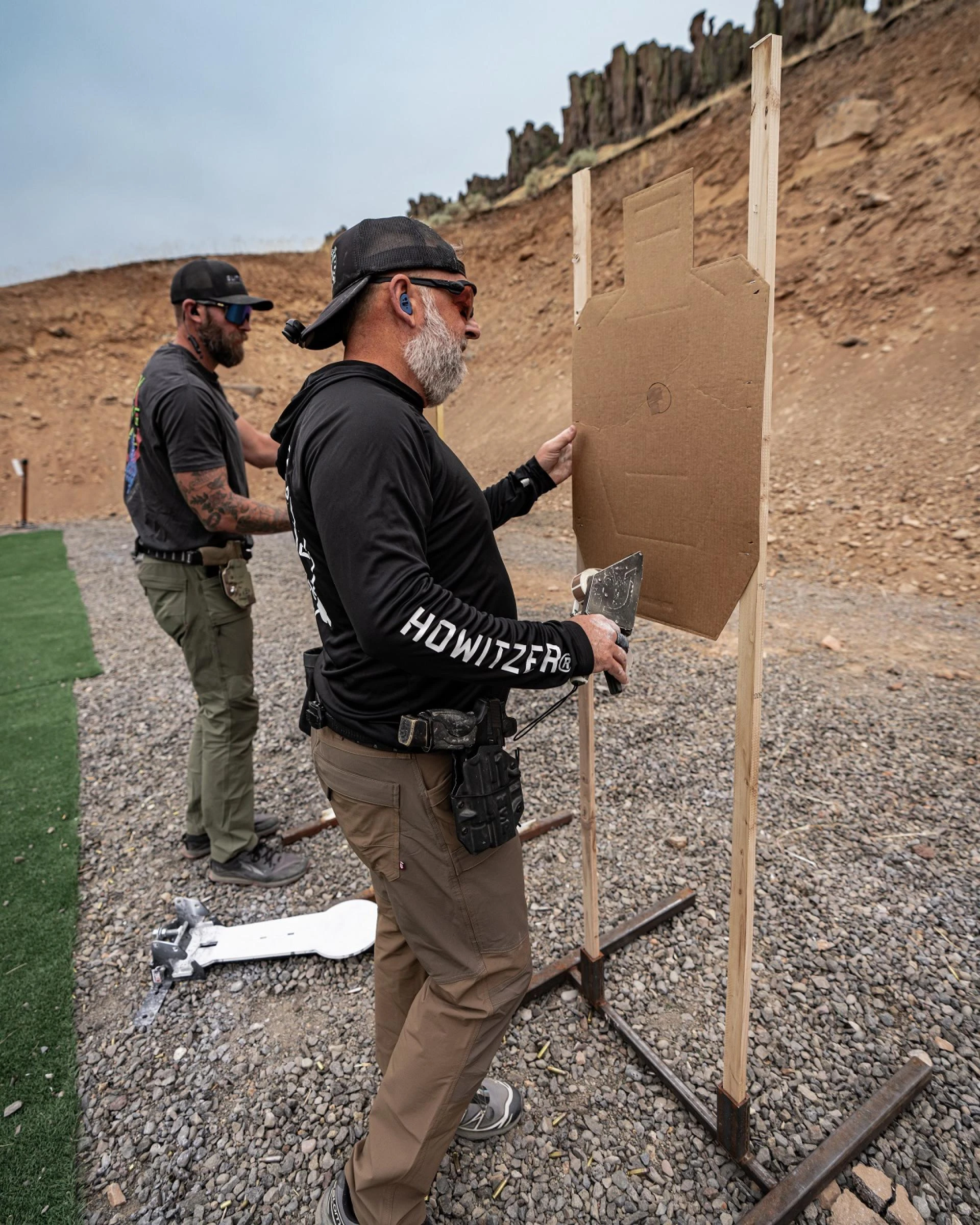

Retention, trigger guard coverage, ride height, cant, and mounting hardware make a serious difference between a holster built for real concealed carry and one that just looks the part. A closer look at each detail shows exactly what to prioritize before buying, including where lightweight Kydex holsters get it right and where different options quietly cut corners, which you’ll notice once you use them every day.

Building your first concealed carry setup starts with a few key decisions that shape how your rig performs long-term. Comfort comes first, since body type and daily movement both affect how your holster wears through the day. From there, build around your actual loadout and consider how your appendix carry holster fits into your broader everyday carry system. Getting these details right from the start matters.

Adding a spare magazine to an appendix carry setup can throw off an EDC setup that used to feel effortless. A separate accessory rarely matches the fit or balance of the original holster design, but a flexible connection between gun and mag carrier keeps everything working together perfectly. See why an appendix carry holster built this way from day one changes how your whole setup performs.

Running one gun instead of choosing from multiple options every day changes more than what's on your belt. Splitting reps across multiple platforms means adjusting to new variables. Instead, sticking with a dedicated EDC setup, like a Glock 19 holster, lets every draw and every training session build muscle memory. Here’s why more concealed carriers are trading a rotation of firearms for one setup they can actually master.
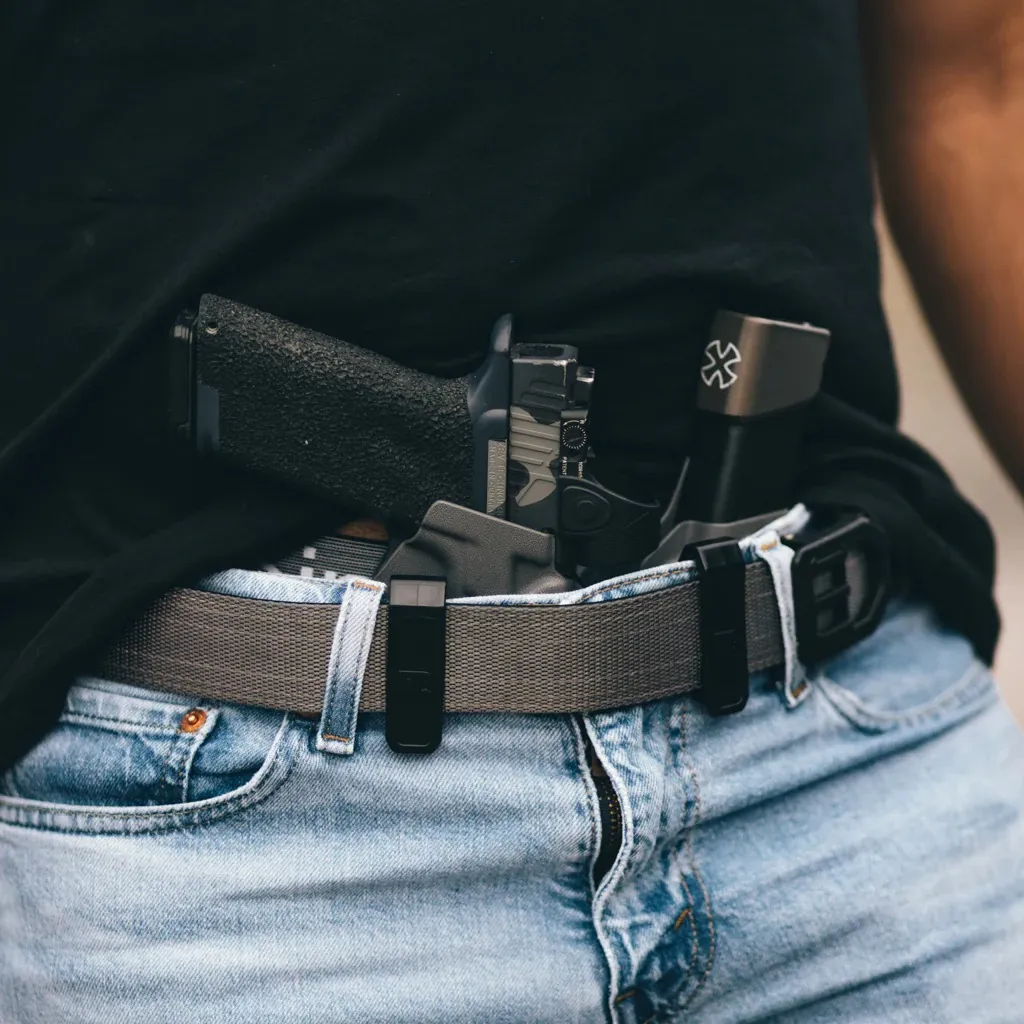
A holster that fits perfectly in the store doesn't always hold up after eight hours against your body during the day. Heat, sweat, and movement affect a natural material very differently than they affect a molded thermoplastic. See why Kydex holsters keep their shape and retention long after leather starts to soften and stretch, no matter how the day goes.
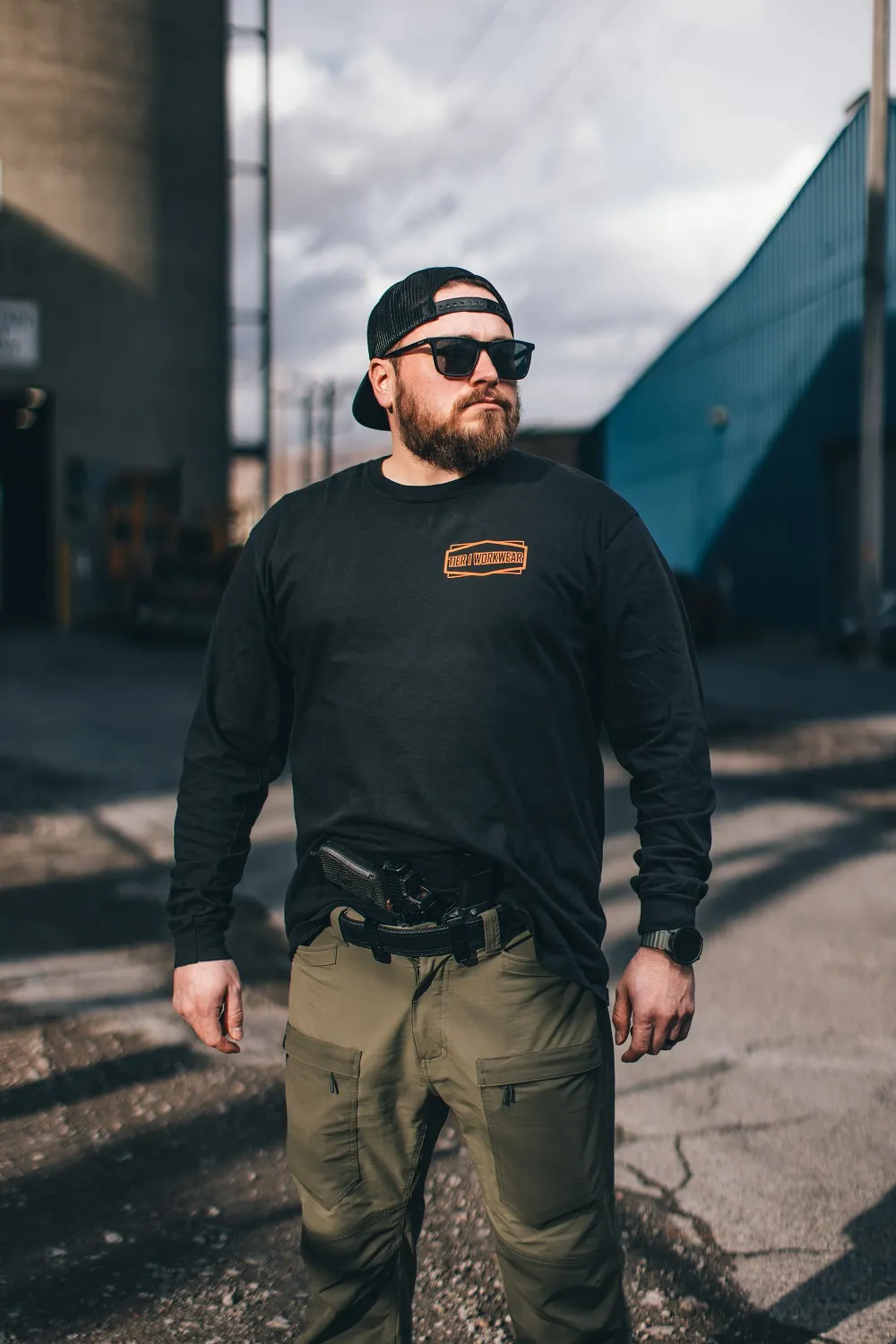
Most concealed carriers start their search with a single goal: finding the right holster. But a holster is only one part of your system. Your belt, your mag carrier, and how well they work together with your holster determine whether your setup holds up day to day. After all, it can’t just look good on paper. If you’re shopping for holsters for concealed carry, think beyond the holster alone.
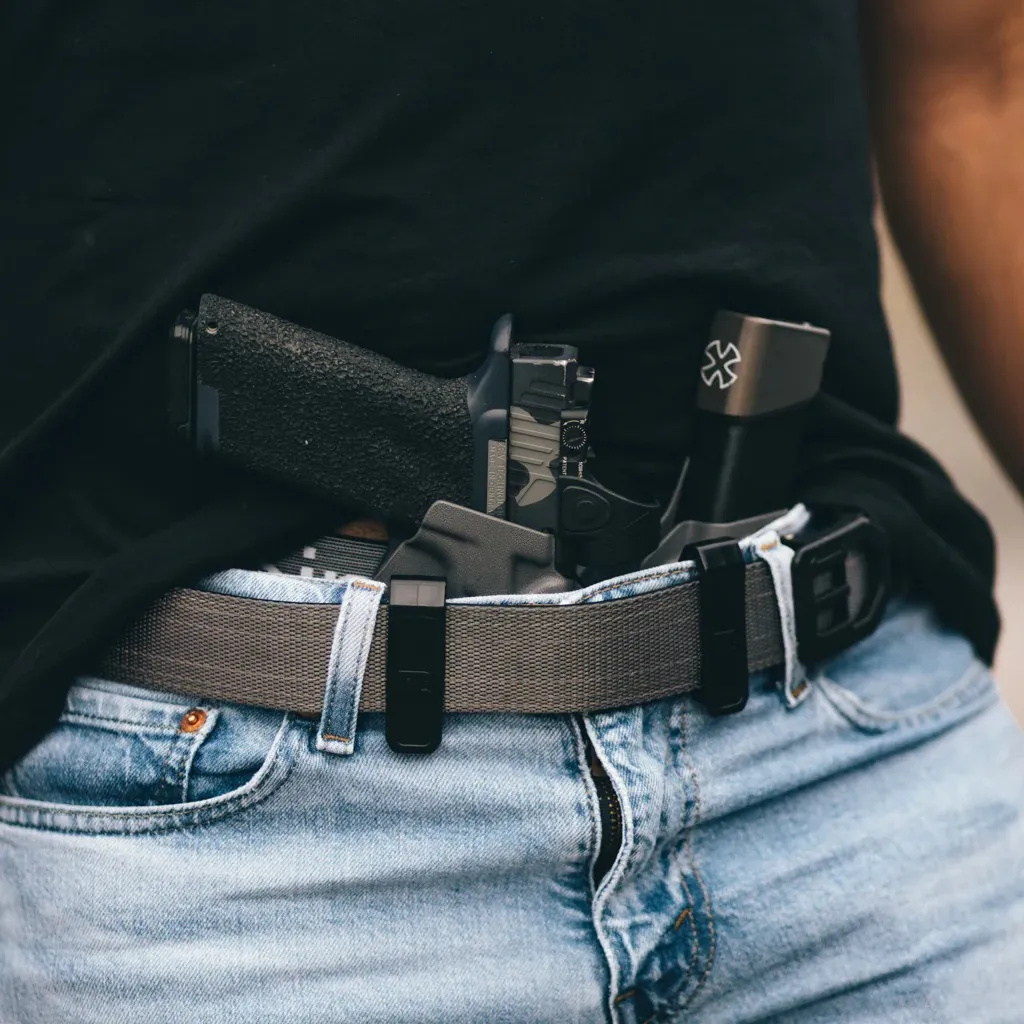
Most comfort advice for concealed carriers focuses on hot weather or printing. But what about the people sitting at a desk all day? Appendix carry can be one of the most comfortable options if your setup is built for sitting. A comfortable appendix carry holster should account for how your grip and ride height might shift once you sit down, not just how it feels when you’re on your feet.
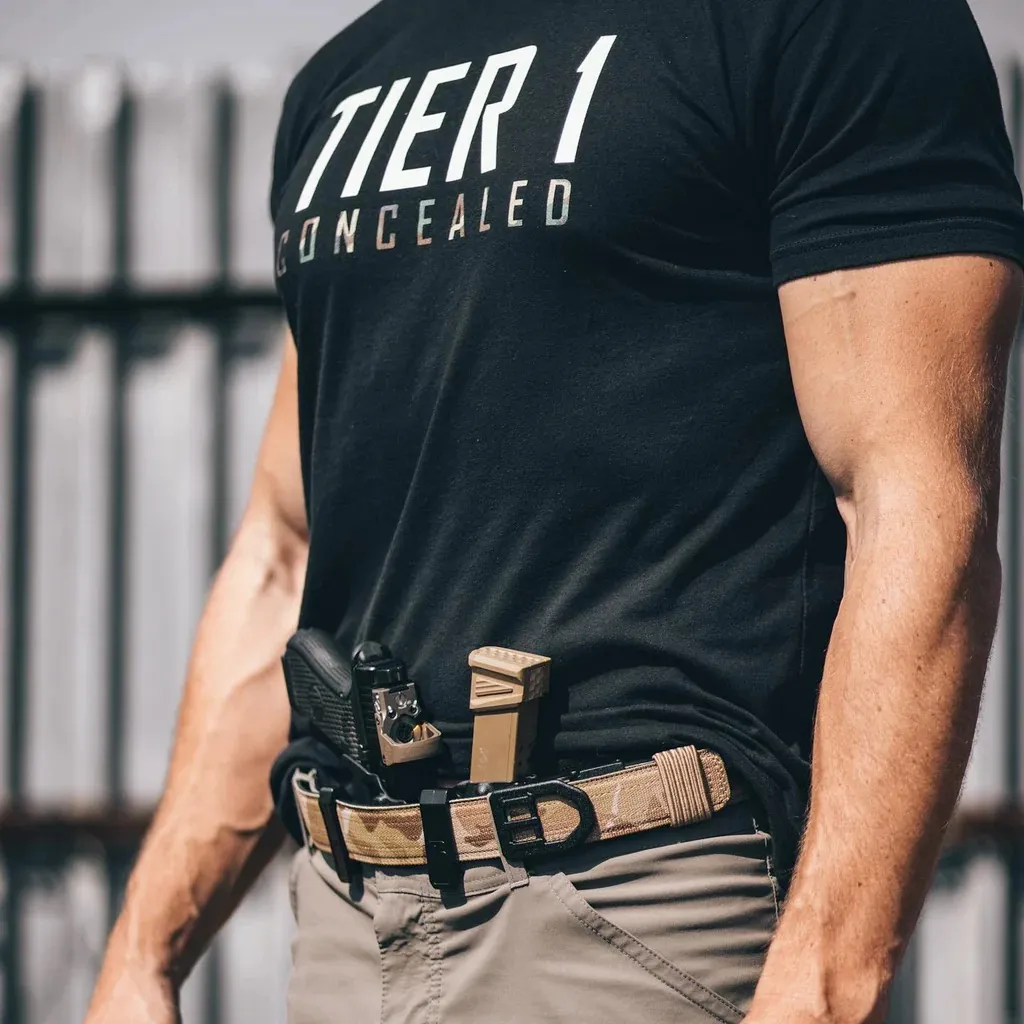
The concealed carry world is embracing streamlined design. The Glock 43X is an excellent example of this. What was once a niche choice is now the default pick for many everyday concealed carriers looking to downsize without losing confidence in their setup, including a growing number of women choosing a slim, single-stack holster for their first firearm. The right concealed carry holsters matter just as much as the gun.
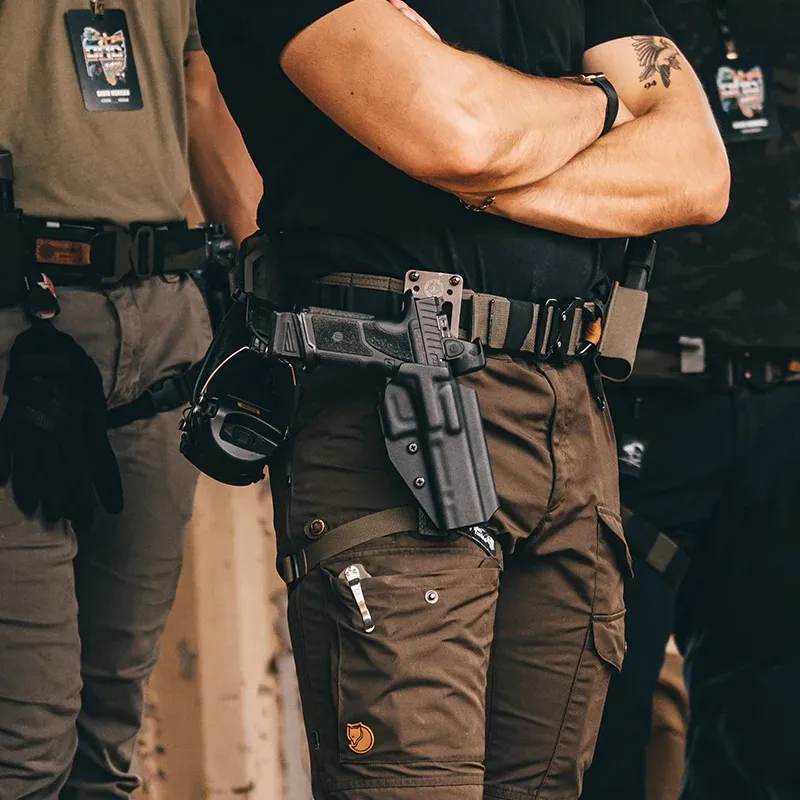
Whether you’re building your first EDC setup or you’re a seasoned concealed carry enthusiast, you know a holster isn’t just built to hold your firearm. It should be designed for the way you move, train, and live. When deciding between leather and Kydex holsters, it's important to find the right holster for your preferences. Here’s a quick overview of two popular types of holsters for concealed carry.
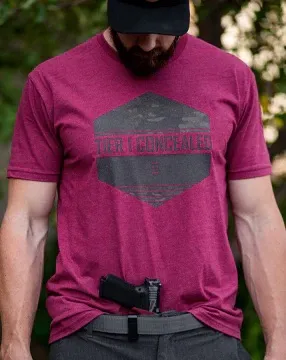
Many concealed carry firearms enthusiasts think of their training holsters and everyday carry holsters as two separate categories. This disconnect could cost them more than they realize as they develop important skills at the range. Finding a comfortable appendix carry holster that you consistently train with and use for your EDC system is one of the most overlooked fundamentals of being prepared for anything. Here’s why.
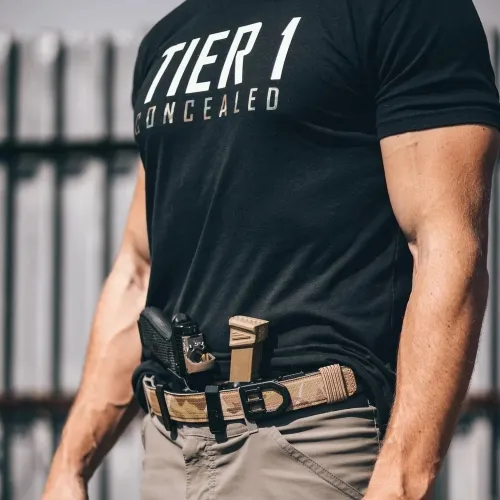
How you dress while concealed carrying is all about blending your personal style with comfort for optimal performance. This approach keeps your firearm accessible while also keeping your day-to-day outfits effortless. You don’t need to sacrifice your style or buy an entirely new wardrobe to concealed carry. A few considerations, adjustments, and additions can keep your lightweight Kydex holsters within easy reach when you need them most.
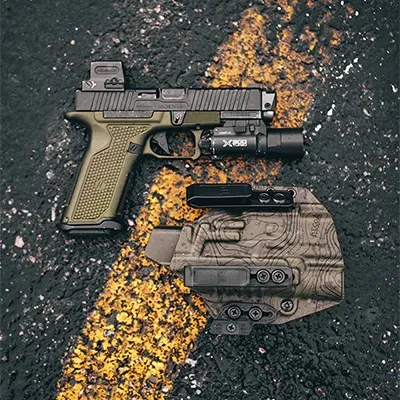
Adding a light to your EDC setup sounds simple. It takes just a minute to add it to many handguns, providing plenty of functionality. The problem is that your old concealed carry holsters are no longer viable. You need a Glock 19 holster with light molding, or it won’t fit your gun. Here are a few features to look for if you are considering adding a light to your handgun.
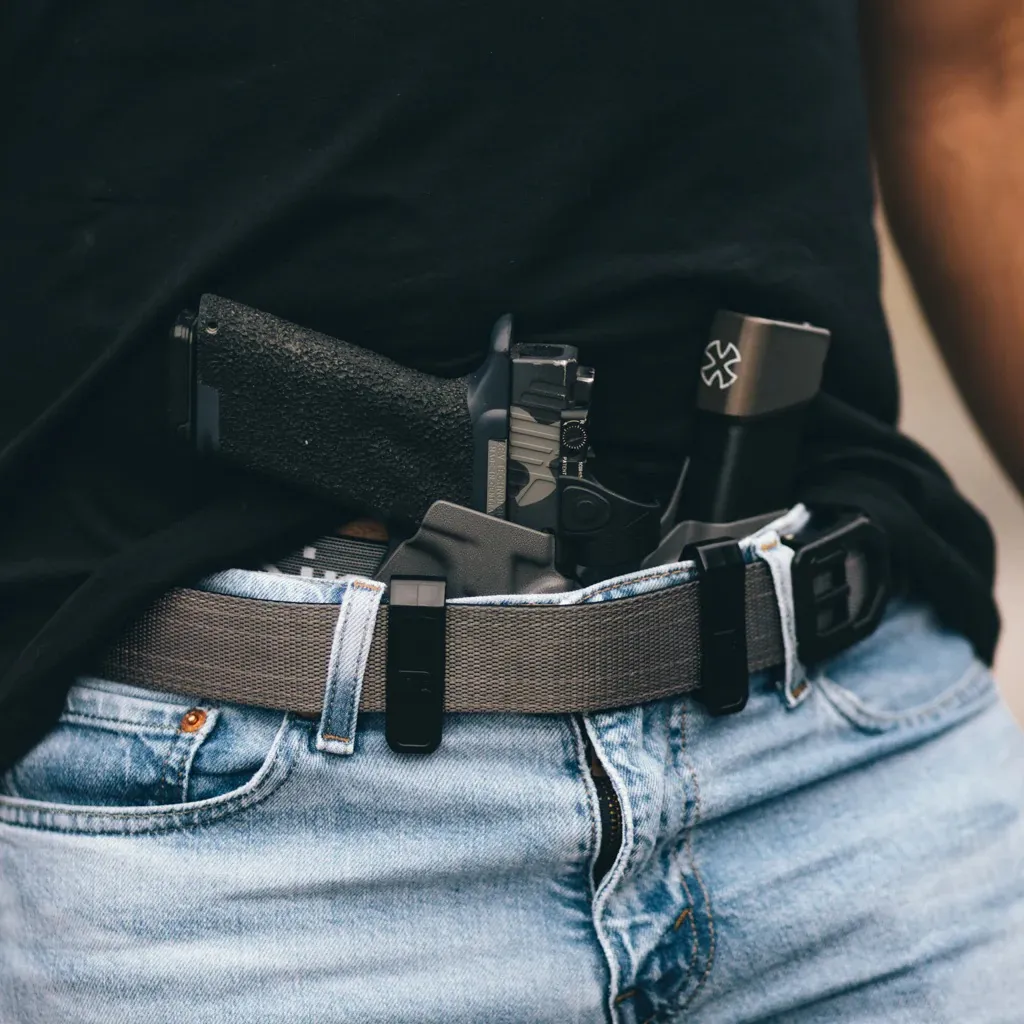
Most new concealed carry shooters focus on retention and material, but holster cant is another important factor to consider when using concealed carry holsters for pistols. Cant can affect your draw, for example, and can help you avoid printing. Knowing what cant is, how it can affect your EDC setup, and what you can do to concealed carry more effectively and comfortably is the perfect place to start.

Inside the waistband holsters are a popular way to concealed carry your firearm. But is an appendix carry pistol holster better than a different kind of IWB holster? Or is it just a matter of personal preference? The distinction may sound minor, but it can make a difference in everything from draw speed to comfort. Here’s everything you need to know so you can pick the right holster for you.
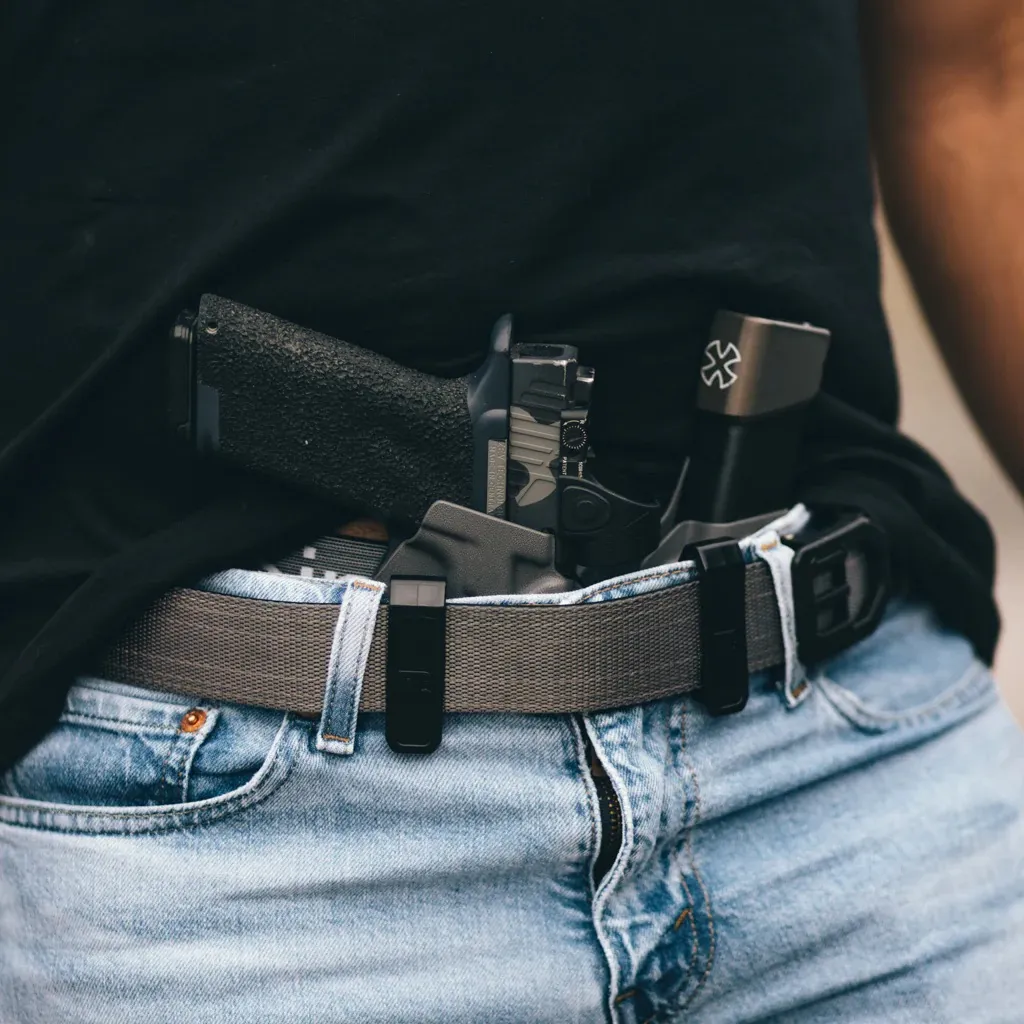
Are you looking for the right EDC belt to mount your IWB Glock 19 holster? There are a few design details you’ll want to consider before making a purchase. The right belt allows you to comfortably concealed carry your firearm, along with any other gear you might need, all day long. Here are a few features to look for when choosing an EDC belt.
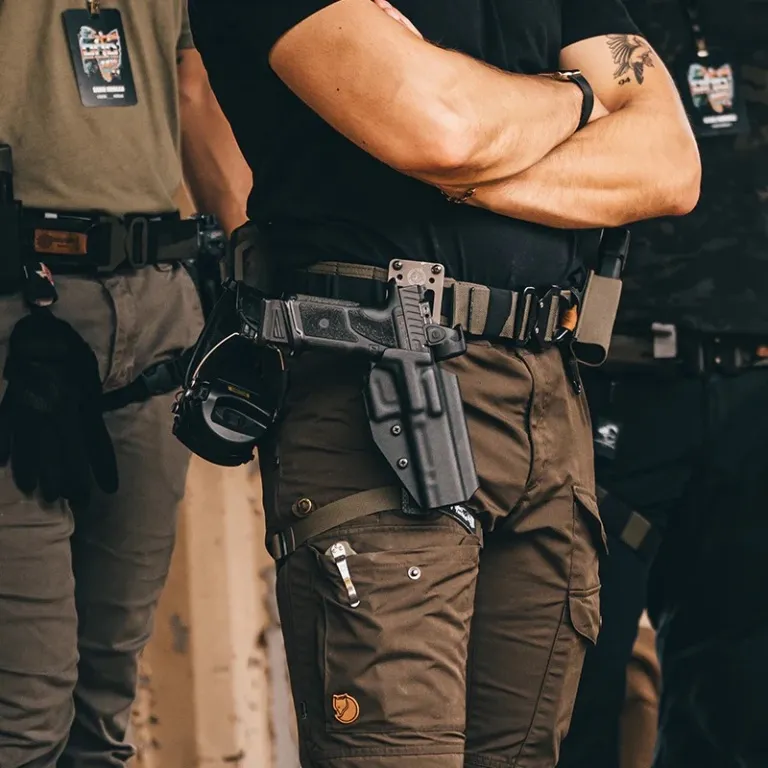
When it comes to everyday carry, it’s easy to focus on your firearm. However, your approach to everyday carry is a system, and like any system, it has plenty of details to consider. Are there any gaps in your EDC setup that don’t show up at the range but will show up when it actually matters? Here’s how you can dial in your Glock 43X holster setup.
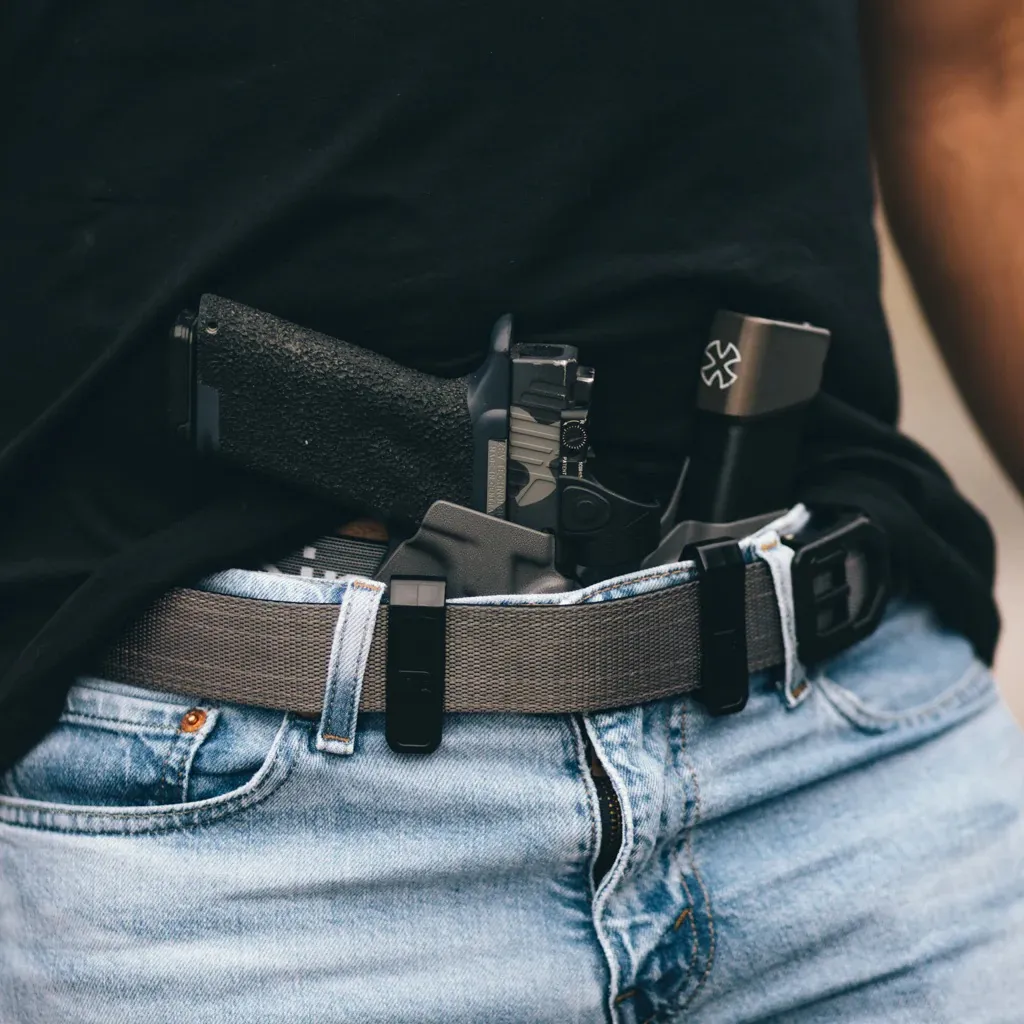
Are you looking for the right EDC belt to mount your IWB Glock 19 holster? There are a few design details you’ll want to consider before making a purchase. The right belt allows you to comfortably concealed carry your firearm, along with any other gear you might need, all day long. Here are a few features to look for when choosing an EDC belt.
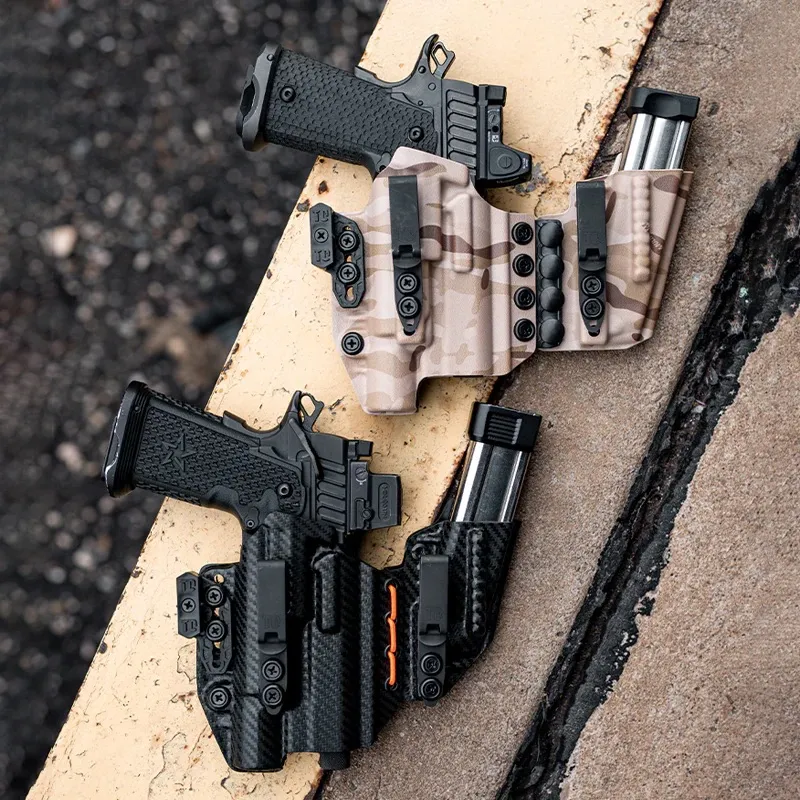
Sometimes, the simplest approach works best. That’s especially true when you want to dial in your concealed carry setup. A well-designed EDC system can add consistency without complexity. Plus, the durable materials of Kydex holsters maintain retention and structure during daily use. By opting for adjustable features that allow you to fine-tune your setup to your exact preferences, it’s easy to avoid the following myths.
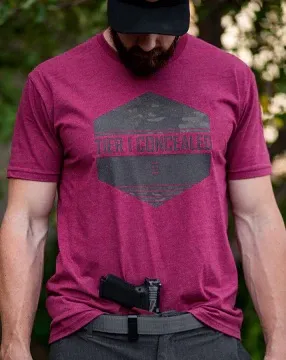
Winter is over, spring has sprung, and that means jackets and other layers that easily conceal your appendix carry holster are no longer your go-to wardrobe choice. Thankfully, just because the weather has changed doesn’t mean concealed carrying has to be difficult. Here are a few tips to help you keep your EDC system optimized without printing or feeling uncomfortable as the weather heats up.
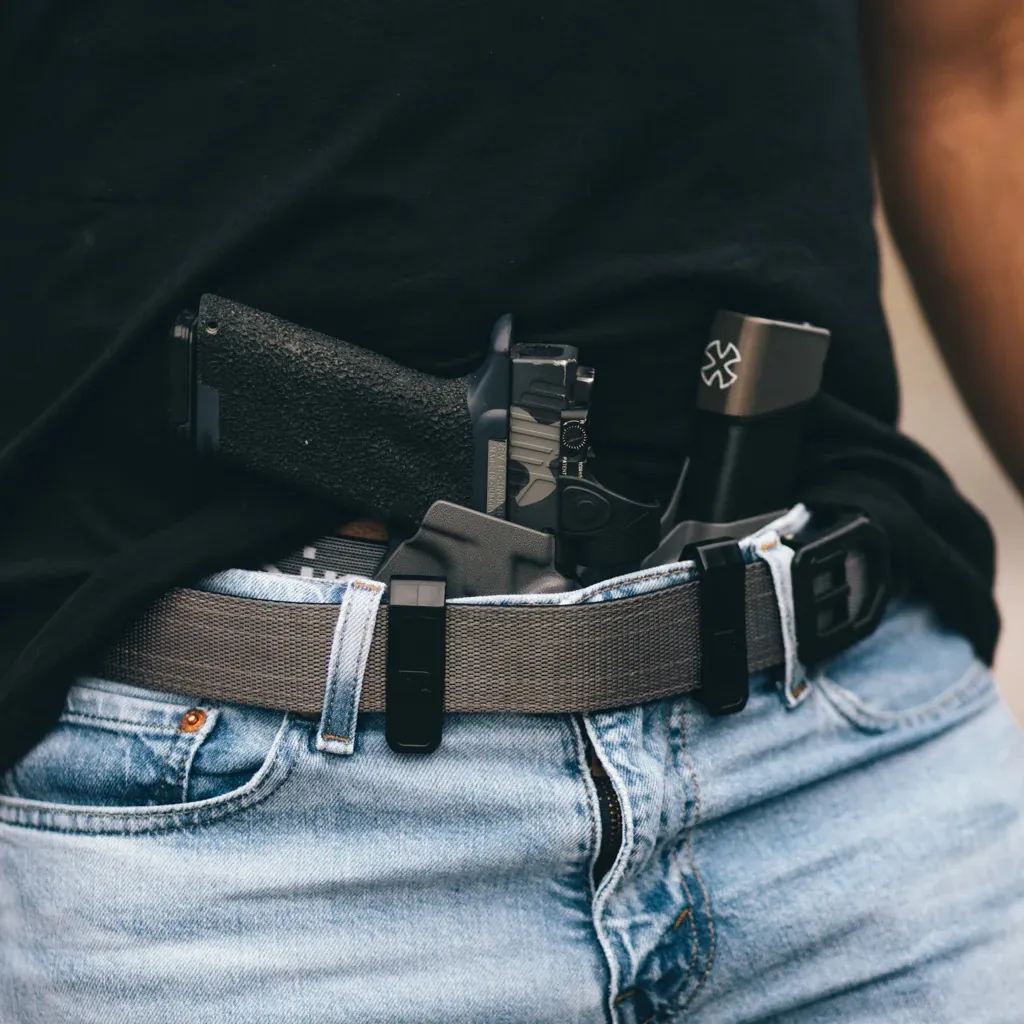
A solid everyday carry setup starts by determining what features make a difference throughout your daily routine. You don't want your Glock 43X holster moving around and constantly requiring adjustments throughout the day, do you? That's when the essentials come to mind. Start with a quality holster, then consider personalized adjustments, and finish it off with repetition. That's how you can make sure your EDC setup is dialed in.