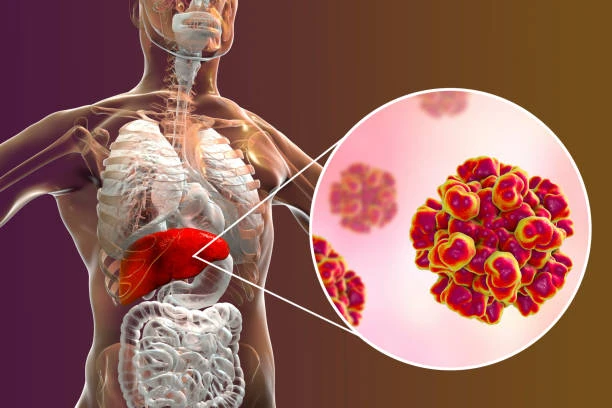

Autoimmune hepatitis is a chronic liver disease in which the body’s immune system mistakenly attacks healthy liver cells. Over time, this immune-mediated inflammation can lead to liver damage, scarring, and even liver failure if left untreated. Although autoimmune hepatitis is considered a rare condition, early diagnosis and proper treatment can significantly improve long-term outcomes and quality of life.
This article explains what autoimmune hepatitis is, why it happens, how it is diagnosed, and the treatment options available today.
What Is Autoimmune Hepatitis?
Autoimmune hepatitis (AIH) is a condition where the immune system, which normally protects the body from infections, targets liver tissue instead. This causes ongoing inflammation of the liver, known as hepatitis.
Unlike viral hepatitis, autoimmune hepatitis is not caused by a virus and is not contagious. The disease can affect people of all ages, but it is more commonly diagnosed in women than in men.
Autoimmune hepatitis often develops gradually, though in some cases it may appear suddenly with severe symptoms.
Types of Autoimmune Hepatitis
There are two main types of autoimmune hepatitis, classified based on specific antibodies found in the blood.
Type 1 Autoimmune Hepatitis
- The most common form
- Can occur at any age
- Often associated with other autoimmune diseases
- Presence of antinuclear antibodies (ANA) or smooth muscle antibodies (SMA)
Type 2 Autoimmune Hepatitis
- Less common
- Usually affects children and young adults
- Often more aggressive
- Associated with anti–liver kidney microsomal antibodies (anti-LKM1)
Both types require medical management, but type 2 autoimmune hepatitis may progress more rapidly if not treated early.
Causes of Autoimmune Hepatitis
The exact cause of autoimmune hepatitis is not fully understood. It is believed to result from a combination of genetic susceptibility and environmental triggers.
Possible Contributing Factors
- Genetic predisposition
- Certain infections
- Medications
- Hormonal influences
- Other autoimmune conditions
In people with a genetic tendency, an external trigger may confuse the immune system, causing it to attack liver cells instead of protecting them.
Symptoms of Autoimmune Hepatitis
Symptoms of autoimmune hepatitis can vary widely. Some people experience mild symptoms, while others develop severe liver inflammation.
Common Symptoms
- Fatigue
- Abdominal discomfort or pain
- Joint pain
- Nausea
- Loss of appetite
- Jaundice (yellowing of the skin and eyes)
- Dark urine
- Pale stools
- Itching
Advanced Symptoms
If the disease progresses without treatment, symptoms may include:
- Fluid buildup in the abdomen (ascites)
- Swelling in the legs
- Confusion or difficulty concentrating
- Easy bruising or bleeding
Some individuals have no noticeable symptoms and are diagnosed only after routine blood tests reveal abnormal liver enzymes.
Risk Factors for Autoimmune Hepatitis
Several factors may increase the likelihood of developing autoimmune hepatitis.
- Female gender
- Family history of autoimmune disease
- Existing autoimmune conditions such as thyroid disease, celiac disease, or rheumatoid arthritis
- Exposure to certain drugs or infections
Having one or more risk factors does not guarantee the development of autoimmune hepatitis, but it may increase susceptibility.
How Autoimmune Hepatitis Is Diagnosed
Diagnosing autoimmune hepatitis involves a combination of clinical evaluation, laboratory tests, imaging, and sometimes a liver biopsy.
Blood Tests
- Elevated liver enzymes (ALT and AST)
- Presence of specific autoantibodies
- Increased immunoglobulin G (IgG) levels
- Tests to rule out viral hepatitis
Imaging Studies
- Ultrasound
- CT scan or MRI
These help assess liver size, structure, and possible complications.
Liver Biopsy
A liver biopsy is often required to confirm the diagnosis. It allows doctors to examine liver tissue under a microscope to assess inflammation, scarring, and disease severity.
Treatment Options for Autoimmune Hepatitis
The goal of treatment is to suppress the immune response, reduce liver inflammation, and prevent long-term damage.
Immunosuppressive Medications
Corticosteroids
- Prednisone is commonly used
- Helps reduce inflammation quickly
- Often prescribed initially at higher doses, then tapered
Immunomodulators
- Azathioprine is frequently used alongside steroids
- Helps maintain remission and reduce steroid side effects
Most patients respond well to these treatments, especially when therapy begins early.
Long-Term Management and Monitoring
Autoimmune hepatitis is usually a lifelong condition. Even when symptoms improve, ongoing monitoring is essential.
Regular Follow-Up Includes
- Liver function tests
- Monitoring medication side effects
- Adjusting treatment doses
- Screening for complications such as cirrhosis
Some individuals may achieve remission and remain stable on low-dose medication, while others require continuous therapy.
Complications of Autoimmune Hepatitis
Without proper treatment, autoimmune hepatitis can lead to serious liver complications.
- Liver fibrosis
- Cirrhosis
- Portal hypertension
- Liver failure
- Increased risk of liver cancer
In advanced cases where the liver is severely damaged, a liver transplant may be necessary.
Autoimmune Hepatitis and Pregnancy
Many women with autoimmune hepatitis can have successful pregnancies with careful medical supervision. Disease control before and during pregnancy is important to reduce risks to both the mother and baby.
Medications may need adjustment, and close monitoring is required throughout pregnancy and after delivery.
Lifestyle and Self-Care Tips
While medication is essential, lifestyle choices can support liver health.
- Avoid alcohol
- Maintain a balanced diet
- Stay physically active
- Avoid unnecessary medications
- Get vaccinated against hepatitis A and B
- Manage stress effectively
These steps do not replace medical treatment but can help reduce additional strain on the liver.
Prognosis and Outlook
With early diagnosis and appropriate treatment, the outlook for people with autoimmune hepatitis is generally good. Many patients achieve remission and live normal, active lives.
Delayed diagnosis or untreated disease increases the risk of irreversible liver damage, making early medical care critical.
Frequently Asked Questions (FAQs)
Is autoimmune hepatitis curable?
Autoimmune hepatitis is not considered curable, but it is highly manageable with long-term treatment.
Is autoimmune hepatitis hereditary?
There is a genetic component, but it is not directly inherited in a predictable way.
Can autoimmune hepatitis go away on its own?
No, untreated autoimmune hepatitis usually worsens over time.
Is autoimmune hepatitis the same as viral hepatitis?
No, autoimmune hepatitis is caused by immune system dysfunction, not a virus.
Can diet cure autoimmune hepatitis?
Diet alone cannot cure the condition, but healthy eating supports overall liver health.
Conclusion
Autoimmune hepatitis is a serious but treatable chronic liver disease caused by an overactive immune response. Early diagnosis, proper medical treatment, and regular monitoring are essential to prevent complications and maintain liver function. With the right care, most individuals with autoimmune hepatitis can manage the condition effectively and enjoy a good quality of life.






























Sign in to leave a comment.