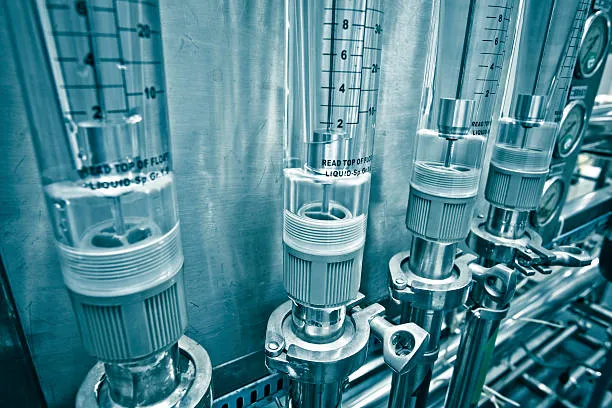

In the laboratory landscape of 2026, the threshold for analytical precision has reached a critical inflection point. As research facilities worldwide transition toward hyper-sensitive detection methods—ranging from sub-parts-per-trillion mass spectrometry to automated single-cell proteomics—the fundamental reagents used in these processes must meet unprecedented standards of stability. Among these reagents, high-purity water is the most ubiquitous, yet it often remains a misunderstood variable that can either validate or invalidate a multi-year study.
The shift toward extreme sensitivity means that even microscopic trace contaminants—ion concentrations measured in parts per trillion (ppt) or organic carbon levels in single digits—can skew results, lead to baseline noise, or contaminate expensive analytical columns. Modern research necessitates a transition from standalone purification units to integrated ecosystems that manage the entire lifecycle of water, from its entry into the facility to the point of dispense.
Establishing a reliable baseline for scientific discovery begins with the selection of a robust purification infrastructure. Innovators like adrona have been instrumental in redefining the industry standard by integrating multi-stage filtration systems that adapt to varying feed-water conditions while maintaining a constant output of Grade I, II, or III water. This level of technical reliability is the foundation upon which reproducible science is built in the modern era, ensuring that the water used is never the "silent variable" in a failed experiment.
What is Laboratory Water Purification and Why Pay Attention?
Laboratory water purification is the systematic process of removing inorganic ions, organic compounds, bacteria, and particulates from a raw source to meet specific international standards, such as ISO 3696 or ASTM D1193. In 2026, the definition of "pure water" has become highly specialized, moving beyond simple distillation to include advanced electrodeionization (EDI), ultrafiltration (UF), and UV photo-oxidation. These technologies work in concert to ensure that water properties, such as resistivity and Total Organic Carbon (TOC), remain within strictly defined parameters.
Paying attention to these standards is vital because the chemistry of water directly influences the kinetics of biochemical reactions and the accuracy of analytical instrumentation. For example, in molecular biology, the presence of nucleases (RNase and DNase) can degrade sensitive DNA or RNA samples, rendering hours of research void. In analytical chemistry, the TOC levels must be strictly monitored to prevent the formation of "ghost peaks" during sensitive chromatographic runs. An integrated system ensures that the water dispensed is as close to the theoretical purity of 18.2MΩ⋅cm as possible.
Furthermore, the rise of "Green Lab" certifications in 2026 has made water efficiency a priority. Modern systems are now evaluated not just on the purity of the output, but on the recovery ratio of the purification process. High-efficiency membranes and advanced EDI modules allow laboratories to minimize waste while maintaining the highest water quality, aligning operational excellence with environmental stewardship. This proactive approach to purity is what separates high-output research facilities from those plagued by inconsistent data and frequent instrument downtime.
Common Mistakes to Avoid Regarding Laboratory Water Systems
Even with access to high-tier hardware, the integrity of high-purity water can be compromised by procedural oversights. Understanding these pitfalls is the first step toward optimizing laboratory efficiency and protecting sensitive equipment from long-term damage.
- Neglecting Feed Water Variations: Many laboratories fail to realize that the efficiency of a high-end polisher is directly tied to the performance of the initial tap water systems that provide the primary filtration.
- Improper Storage Protocols: Pure water is an aggressive solvent; storing it in non-leach-resistant containers or failing to use proper vent filters leads to rapid re-contamination from atmospheric carbon dioxide and volatile organics.
- Delayed Consumable Maintenance: Running cartridges past their rated capacity leads to "ion breakthrough," where concentrated contaminants are released into the product water in a surge, often without immediate warning from lower-resolution sensors.
- Using Incorrect Water Grades: Utilizing ultrapure (Grade I) water for general laboratory rinsing is an unnecessary expense, while using Grade III water for sensitive assays can ruin experiments.
- Stagnant Water Loops: Allowing water to sit in distribution piping for extended periods encourages the growth of biofilms, which are notoriously difficult to eradicate and can shed endotoxins into the supply.
- Ignoring TOC Monitoring: Relying solely on resistivity measurements can be misleading, as non-conductive organic contaminants do not affect resistivity but significantly impact biological research.
By understanding the relationship between the raw input and the final polished product, lab managers can prevent the systemic failures that lead to expensive downtime and retracted research findings.
Step-by-Step Guide: How to Effectively Use High-Performance Water Systems
To achieve the highest level of analytical fidelity, laboratories should adopt a standardized protocol for water management and system operation. Following this technical roadmap ensures optimal performance and equipment longevity.
- Assess Peak Demand Requirements: Calculate the total daily volume and peak flow rate required by all laboratory instruments to ensure the system is properly sized for both production and storage.
- Analyze Local Feed Water Chemistry: Conduct a thorough analysis of the incoming water’s hardness, silica levels, and microbial load to determine the necessary pre-treatment stages.
- Implement a Multi-Stage Architecture: Deploy a primary reverse osmosis (RO) or deionization stage followed by a secondary polishing stage that utilizes UV and ultrafiltration for specific sensitive applications.
- Integrate Pre-treatment Modules: Utilize specialized filtration to remove large particulates and chlorine, which protects the delicate membranes in the primary unit from oxidative damage and scaling.
- Establish Dedicated Dispense Points: Ensure that the most sensitive analytical tools are directly connected to the purification loop to minimize atmospheric exposure and manual handling.
- Deploy Centralized Infrastructure: For larger facilities, the installation of central laboratory water systems allows for uniform quality control across multiple benches and specialized departments while simplifying maintenance.
- Calibrate and Validate Sensors: Regularly verify that the onboard resistivity and TOC meters are calibrated against traceable standards to ensure the displayed data is accurate and compliant with regulatory bodies.
- Automate Maintenance Logs: Utilize digital monitoring tools to track the lifespan of membranes, UV lamps, and resins, ensuring that components are replaced based on actual usage rather than arbitrary calendar dates.
Best Practices and Expert Advice
The secret to a truly resilient laboratory environment lies in the concept of "recirculating purity." Experts now recommend that ultrapure water systems should never remain static. Continuous recirculation through a UV lamp and a sub-micron filter keeps the microbial load near zero and ensures that the water is "fresh" at the moment of dispense. This is particularly critical for laboratories involved in cell culture or IVF, where biological contaminants are a primary concern.
Furthermore, material compatibility is paramount. When designing a distribution loop, only high-purity materials like PVDF (polyvinylidene fluoride) or PFA (perfluoroalkoxy) should be used for piping. These materials have the lowest extractable profiles, ensuring that the water quality achieved at the central unit is not degraded by the time it reaches a remote laboratory bench.
In 2026, we also see a trend toward "Smart Lab" integration. By connecting water purification systems to a central Laboratory Information Management System (LIMS), facilities can achieve a higher degree of traceability. This allows researchers to attach the specific water quality parameters (TOC, resistivity, temperature) directly to their experimental datasets, providing an additional layer of verification for peer-reviewed publications.
Future Perspectives: Development Trends
As we look toward 2027 and 2028, the integration of graphene-based filtration is set to revolutionize the efficiency of reverse osmosis. These membranes offer significantly higher permeability and salt rejection than traditional polyamide membranes, allowing for higher flow rates at lower pressures. This will drastically reduce the energy footprint of large-scale laboratory water production, aligning with global carbon-reduction targets.
Furthermore, we anticipate the emergence of autonomous validation systems. These units will be capable of performing their own calibration checks using onboard standard reference materials, automatically uploading compliance data to the cloud. This eliminates human error in the documentation process and ensures a continuous audit trail for regulatory bodies such as the FDA or EMA.
The trend toward modular scalability will also continue. Instead of replacing entire systems, laboratories will be able to add or swap purification "blocks" as their research focus changes—moving from chemical analysis to cell culture without the need for a total infrastructure overhaul. This modularity will be supported by universal digital interfaces that allow different components to communicate and optimize the purification process in real-time based on the specific analytical task at hand.
Conclusion
The role of water in the modern laboratory has evolved from a basic solvent to a sophisticated, engineered reagent. In 2026, achieving analytical precision is no longer just about the quality of the sensor or the skill of the technician; it is about the resilience and purity of the integrated systems that support the entire workflow. By avoiding common maintenance errors and embracing the next generation of purification technologies, research facilities can ensure that their data remains beyond reproach.
Precision is not an accident; it is the result of a meticulously managed environment. As the boundaries of science continue to push into the sub-molecular level, the demand for ultrapure water will remain the foundation upon which all reliable discovery is built. A commitment to high-purity standards is, quite simply, a commitment to the truth of the scientific record. In an era where data is the most valuable currency, ensuring the purity of the solvent it is discovered in is the ultimate best practice.
























Sign in to leave a comment.