
Introduction
The automotive industry is in the midst of a profound evolution, driven by innovations that enhance vehicle safety, convenience, and performance. One of the most transformative technologies in this space is Advanced Driver Assistance Systems (ADAS), which leverage sophisticated Electronic Control Units (ECUs) to deliver advanced functionalities. This article explores the role of ECUs in ADAS, examining how they contribute to vehicle safety and the evolving landscape of the automotive ECU market.
Market Overview
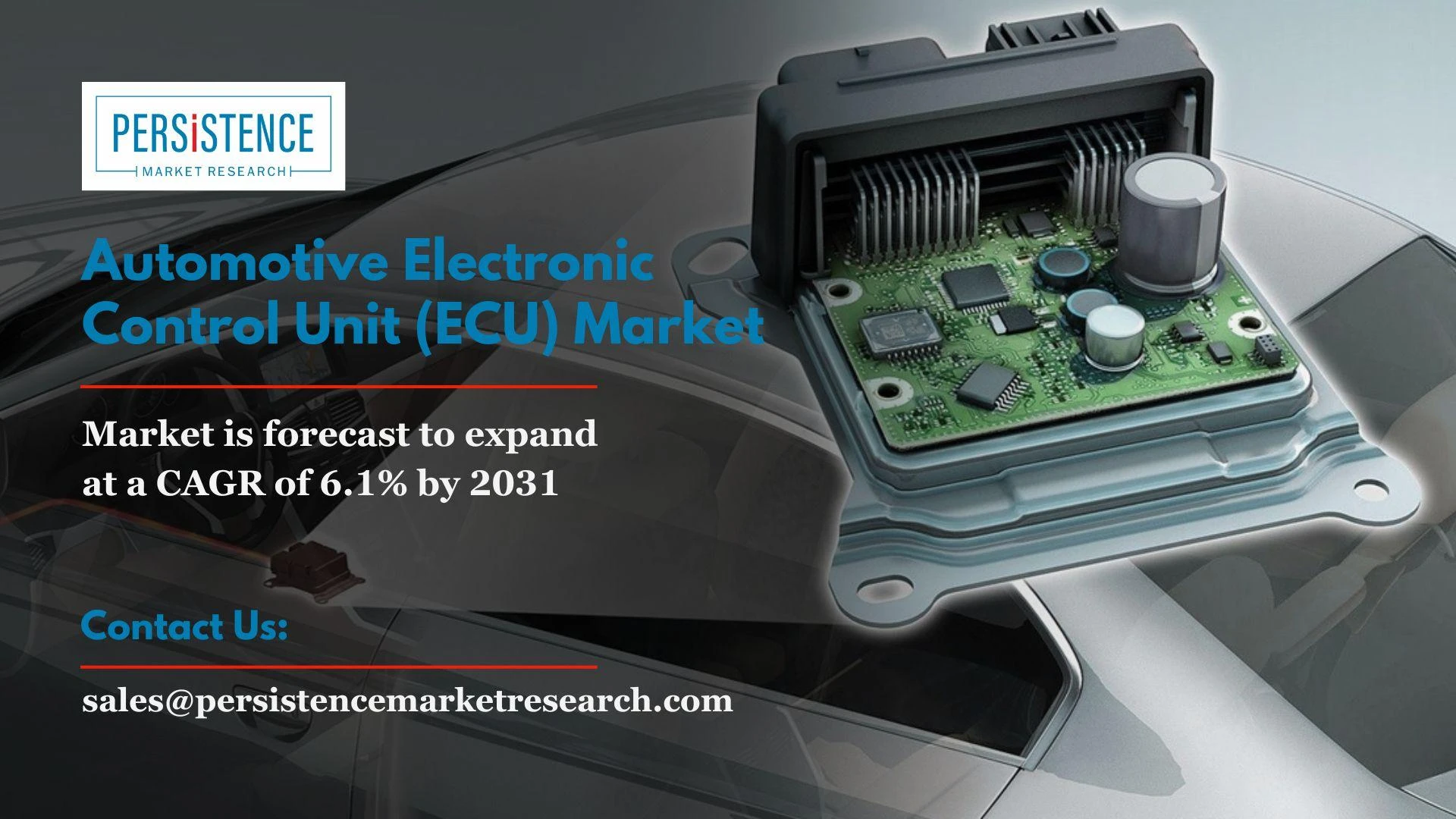
Automotive Electronic Control Units (ECUs) are critical components in modern vehicles, managing various functions such as engine control, transmission, infotainment, and advanced driver-assistance systems (ADAS). These sophisticated electronic systems enhance vehicle performance, safety, and comfort. The global automotive ECU market is experiencing robust growth, driven by the increasing integration of electronics in vehicles, the rising demand for electric and hybrid vehicles, and advancements in autonomous driving technologies. According to Persistence Market Research projections, the global automotive electronic control unit (ECU) market is forecasted to expand at a CAGR of 6.1% and thereby increase from a value of US$71.9 Bn in 2024 to US$111.5 Bn by the end of 2031.
Advanced Driver Assistance Systems (ADAS) represent a suite of technologies designed to improve vehicle safety and driving experience. These systems use various sensors, cameras, radar, and lidar to monitor the vehicle’s surroundings, provide real-time feedback to the driver, and, in some cases, take control of the vehicle to prevent accidents or enhance driving comfort.
ADAS functionalities typically include:
Adaptive Cruise Control (ACC): Maintains a safe distance from the vehicle ahead by adjusting speed automatically.
Lane Departure Warning (LDW) and Lane Keeping Assist (LKA): Alerts the driver if the vehicle drifts out of its lane and assists in keeping the vehicle within the lane.
Automatic Emergency Braking (AEB): Detects imminent collisions and applies brakes automatically to mitigate or prevent impact.
Blind Spot Monitoring (BSM): Alerts the driver to vehicles in their blind spots, helping avoid lane-change accidents.
Parking Assistance: Utilizes sensors and cameras to assist in parking maneuvers, including parallel parking and reversing.
These systems rely heavily on the integration of multiple ECUs to process data from various sensors and execute complex algorithms that enhance vehicle safety and driving comfort.
Role of ECUs in ADAS
Electronic Control Units (ECUs) are integral to the functioning of ADAS. They act as the brains behind these systems, managing data processing, decision-making, and execution. Key roles of ECUs in ADAS include:
Data Processing and Fusion
ADAS relies on data from multiple sensors, including cameras, radar, and lidar. ECUs process and fuse this data to create a comprehensive understanding of the vehicle’s environment. For instance, in a system equipped with adaptive cruise control, the ECU integrates data from radar sensors to monitor the distance from the vehicle ahead and adjust speed accordingly.
Algorithm Execution
Advanced algorithms within ECUs interpret sensor data to make real-time decisions. For example, lane-keeping assist systems use algorithms to determine if the vehicle is drifting out of its lane and, if necessary, provide corrective steering inputs. These algorithms are crucial for ensuring that ADAS functions operate accurately and reliably.
Communication
ECUs manage communication between different ADAS components and other vehicle systems. They ensure that data from various sensors is synchronized and that commands are executed efficiently. For example, the ECU coordinating automatic emergency braking must communicate with the vehicle’s braking system to apply brakes in a timely manner.
Safety and Redundancy
ADAS systems must meet rigorous safety standards to ensure they operate reliably under all conditions. ECUs play a role in implementing fail-safes and redundancy measures to handle potential failures or discrepancies in sensor data, thereby maintaining system reliability and safety.
Market Trends and Growth
The automotive ECU market, driven by the expansion of ADAS technologies, is experiencing significant growth. Key trends shaping the market include:
Increasing Demand for Safety Features
The rising focus on vehicle safety is a major driver of ADAS adoption. Governments and regulatory bodies worldwide are implementing stringent safety standards, encouraging manufacturers to integrate ADAS into their vehicles. This trend is fueling demand for advanced ECUs capable of supporting complex ADAS functionalities.
Advancements in Sensor Technology
Advances in sensor technology, including improved radar, lidar, and camera systems, are enhancing the capabilities of ADAS. As sensor technology becomes more sophisticated, the demand for high-performance ECUs that can handle increased data processing requirements is growing.
Growth of Autonomous Vehicles
The development of autonomous vehicles is driving the need for advanced ADAS and, consequently, sophisticated ECUs. Autonomous driving requires highly complex systems with robust data processing and decision-making capabilities, pushing the boundaries of ECU technology.
Integration with Connectivity and Infotainment Systems
The convergence of ADAS with connectivity and infotainment systems is creating new opportunities for ECUs. Features such as vehicle-to-everything (V2X) communication and cloud-based services are becoming integral to ADAS, leading to innovations in ECU design and functionality.
Key Players and Competitive Landscape
Several key players dominate the automotive ECU market, particularly in the ADAS segment. These include:
Bosch Group
Bosch is a leading player in the ADAS ECU market, offering a comprehensive range of solutions for various driver assistance functions. The company’s expertise in sensor technology and data processing systems positions it as a key provider of advanced ADAS ECUs.
Continental AG
Continental is known for its innovative ADAS solutions, including ECUs for adaptive cruise control, lane-keeping assist, and automatic emergency braking. The company’s focus on integrating ADAS with other vehicle systems enhances its competitive edge in the market.
Denso Corporation
Denso, with its strong emphasis on safety and performance, is a significant player in the ADAS ECU market. The company provides a range of ECUs for different ADAS functionalities, supported by its extensive experience in automotive electronics.
NXP Semiconductors
NXP specializes in semiconductor solutions for automotive applications, including ADAS. Its high-performance microcontrollers and processors are crucial for the efficient functioning of ADAS ECUs.
Renesas Electronics Corporation
Renesas offers a wide range of microcontrollers and semiconductor solutions for ADAS applications. The company’s focus on advanced technology and integration capabilities makes it a key player in the ADAS ECU market.
Infineon Technologies
Infineon provides semiconductor solutions for various automotive applications, including ADAS. Its expertise in power management and data processing supports the development of advanced ADAS ECUs.
Challenges and Opportunities
The ADAS ECU market faces several challenges, including:
Complexity and Integration
Integrating multiple ADAS functions into a cohesive system presents technical challenges. Ensuring compatibility and seamless operation of various components requires advanced ECU design and robust software development.
Cost Pressures
The high cost of advanced ADAS features can be a barrier to widespread adoption. Manufacturers must balance the cost of ECUs with the need for advanced functionalities to offer competitive pricing.
Regulatory Compliance
ADAS systems must comply with evolving safety and regulatory standards. ECU manufacturers must stay abreast of regulatory changes and ensure their products meet the latest requirements.
Despite these challenges, the ADAS ECU market presents significant opportunities, including:
Innovation and Technological Advancements
Ongoing advancements in sensor technology, data processing, and connectivity create opportunities for developing new and improved ADAS functionalities. Companies that innovate in these areas can gain a competitive advantage.
Growing Adoption of Electric and Autonomous Vehicles
The rise of electric and autonomous vehicles drives demand for advanced ADAS systems and sophisticated ECUs. Companies that focus on developing ECUs for these emerging applications are well-positioned for growth.
Emerging Markets
Increasing vehicle sales in emerging markets present opportunities for expanding ADAS and ECU offerings. As these markets grow, there is potential for greater adoption of advanced safety features.
The automotive ECU market, particularly in the context of ADAS, is evolving rapidly as technology advances and consumer demands shift. ECUs are central to the functionality of ADAS, enabling vehicles to offer enhanced safety, convenience, and driving comfort. With key players driving innovation and addressing challenges, the market is poised for continued growth. As the automotive industry embraces new technologies and regulatory standards, the role of ECUs in shaping the future of vehicle safety and performance will remain pivotal.
























Sign in to leave a comment.