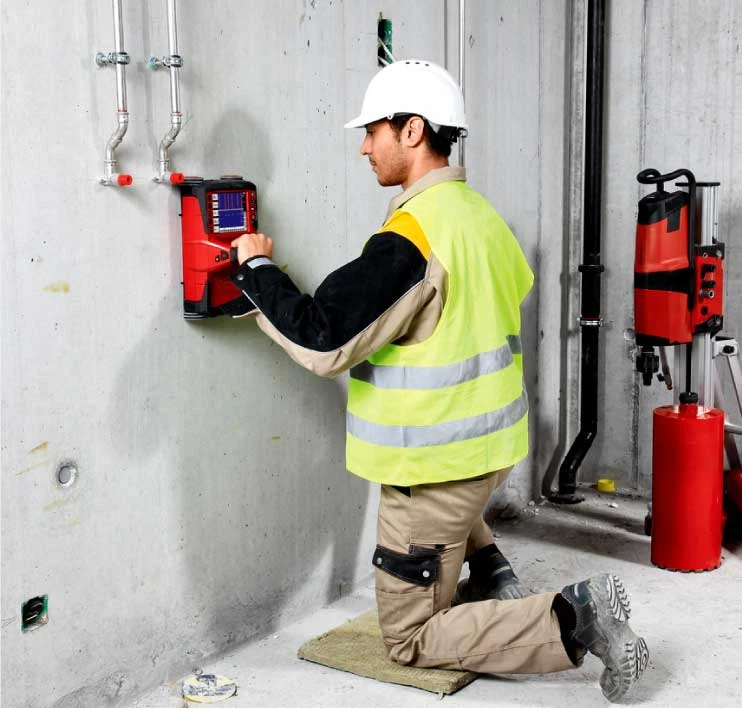

Concrete is one of the most durable and widely used construction materials, forming the backbone of infrastructure around the world. Despite its robustness, concrete structures are not immune to damage over time. Whether caused by environmental factors, structural stress, or improper construction practices, repairing concrete is a complex process that requires precision and care. This is where concrete scanning services comes into play.
Concrete scanning is a non-invasive technique that uses advanced technologies to inspect and analyze concrete structures. By identifying subsurface elements such as rebar, conduits, voids, and cracks, concrete scanning minimizes risks, ensures accuracy, and streamlines the repair process. In this article, we’ll explore why concrete scanning is essential for successful repairs, how it prevents costly mistakes, and the long-term benefits it offers.
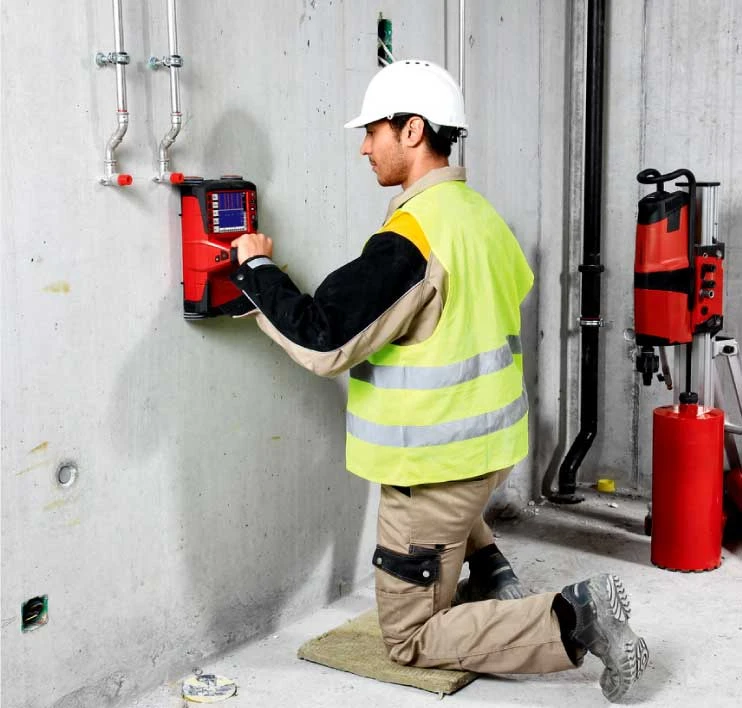
Understanding Concrete Scanning
Concrete scanning involves the use of tools and technologies like Ground-Penetrating Radar (GPR), ultrasonic devices, and electromagnetic detectors to visualize what lies beneath the surface of a concrete structure. These tools help identify:
- Embedded rebar and steel reinforcements
- Electrical conduits and utility lines
- Voids, cracks, and honeycombing
- Post-tension cables
- Pipes and other subsurface elements
The data collected from scanning is crucial for guiding repair decisions, avoiding hazards, and ensuring safety during maintenance or renovation projects.
Common Challenges in Concrete Repairs Without Scanning
Skipping the scanning process can lead to several issues in concrete Repair, including:
- Accidental Damage:
- Drilling or cutting into concrete without knowing the location of embedded materials can damage rebar, conduits, or post-tension cables.
- Safety Risks:
- Hitting live electrical lines or unstable areas during repairs can pose serious safety hazards to workers.
- Inefficient Repairs:
- Without proper assessment, repairs may target surface-level symptoms rather than addressing underlying issues.
- Increased Costs:
- Errors caused by a lack of subsurface knowledge often lead to delays and additional expenses.
Benefits of Concrete Scanning for Repairs
1. Precision and Accuracy
Concrete scanning eliminates guesswork, allowing contractors to precisely identify problem areas and locate embedded materials. This ensures repairs are targeted and effective, reducing the likelihood of errors.
2. Enhanced Safety
By revealing the locations of electrical lines, post-tension cables, and other subsurface hazards, scanning protects workers and prevents accidents during the repair process.
3. Cost Savings
Avoiding accidental damage and unnecessary delays translates to significant cost savings. With accurate data, projects can be completed on time and within budget.
4. Preservation of Structural Integrity
Concrete scanning prevents damage to key structural components, preserving the strength and longevity of the structure.
5. Compliance with Regulations
Many building codes and safety standards require concrete scanning before undertaking major repairs. Adhering to these regulations minimizes legal and financial risks.
How Concrete Scanning Works
The process of concrete scanning typically involves the following steps:
- Preparation:
- The site is prepared by clearing debris and ensuring access to the areas that need scanning.
- Scanning:
- Technicians use tools like GPR to scan the concrete surface. These tools emit electromagnetic waves that reflect back to create a detailed map of the subsurface.
- Data Analysis:
- The collected data is analyzed to identify the locations and conditions of embedded objects, voids, and cracks.
- Reporting:
- A detailed report is generated, highlighting the findings and providing recommendations for repairs.
Key Technologies Used in Concrete Scanning
Ground-Penetrating Radar (GPR):
GPR is the most commonly used technology for concrete scanning. It emits high-frequency electromagnetic waves that penetrate the concrete and reflect off subsurface objects. The reflections are used to create an image of the internal structure.
Ultrasonic Testing:
Ultrasonic waves are used to detect cracks, voids, and delaminations within concrete. This method is highly effective for assessing the condition of aging structures.
Electromagnetic Detectors:
These devices locate metallic objects such as rebar, post-tension cables, and conduits embedded within the concrete.
Thermal Imaging:
Thermal imaging cameras detect temperature variations within the concrete, which can indicate voids or moisture intrusion.
Concrete Scanning in Action: Real-World Applications
Concrete scanning is widely used across various industries and applications, including:
- Building Renovations:
- Ensuring safety and precision when modifying existing structures.
- Infrastructure Maintenance:
- Assessing bridges, highways, and tunnels for damage and planning effective repairs.
- Industrial Facilities:
- Identifying subsurface hazards to prevent damage during equipment installation or maintenance.
- Residential Repairs:
- Addressing issues such as foundation cracks and slab damage without compromising structural integrity.
Steps to Combine Scanning and Repairs for Optimal Results
Step 1: Initial Assessment
Conduct a thorough assessment of the structure using concrete scanning to identify areas of concern and gather subsurface data.
Step 2: Analyze Findings
Analyze the scanning results to determine the most effective repair methods. This may include:
- Epoxy injections for cracks
- Grouting for voids
- Surface patching for spalled areas
Step 3: Plan Repairs
Develop a detailed repair plan based on the scan data, specifying materials, techniques, and safety measures.
Step 4: Execute Repairs
Carry out the repairs with precision, using the scan data to avoid damaging embedded elements.
Step 5: Quality Assurance
Conduct follow-up scans to verify the success of the repairs and ensure no new issues have been introduced.
Long-Term Benefits of Concrete Scanning
Investing in concrete scanning before repairs offers long-term advantages, such as:
- Prolonged lifespan of structures
- Reduced maintenance costs
- Improved safety and reliability
- Enhanced property value
Conclusion
Concrete scanning is a critical step in ensuring successful repairs. By providing precise insights into subsurface conditions, it minimizes risks, prevents costly mistakes, and enhances the durability of concrete structures. Whether you’re a contractor, property owner, or facility manager, incorporating concrete scanning into your repair strategy is a smart and essential investment. Avoid the pitfalls of guesswork and embrace the power of advanced technology to protect your structures and your bottom line.












Sign in to leave a comment.