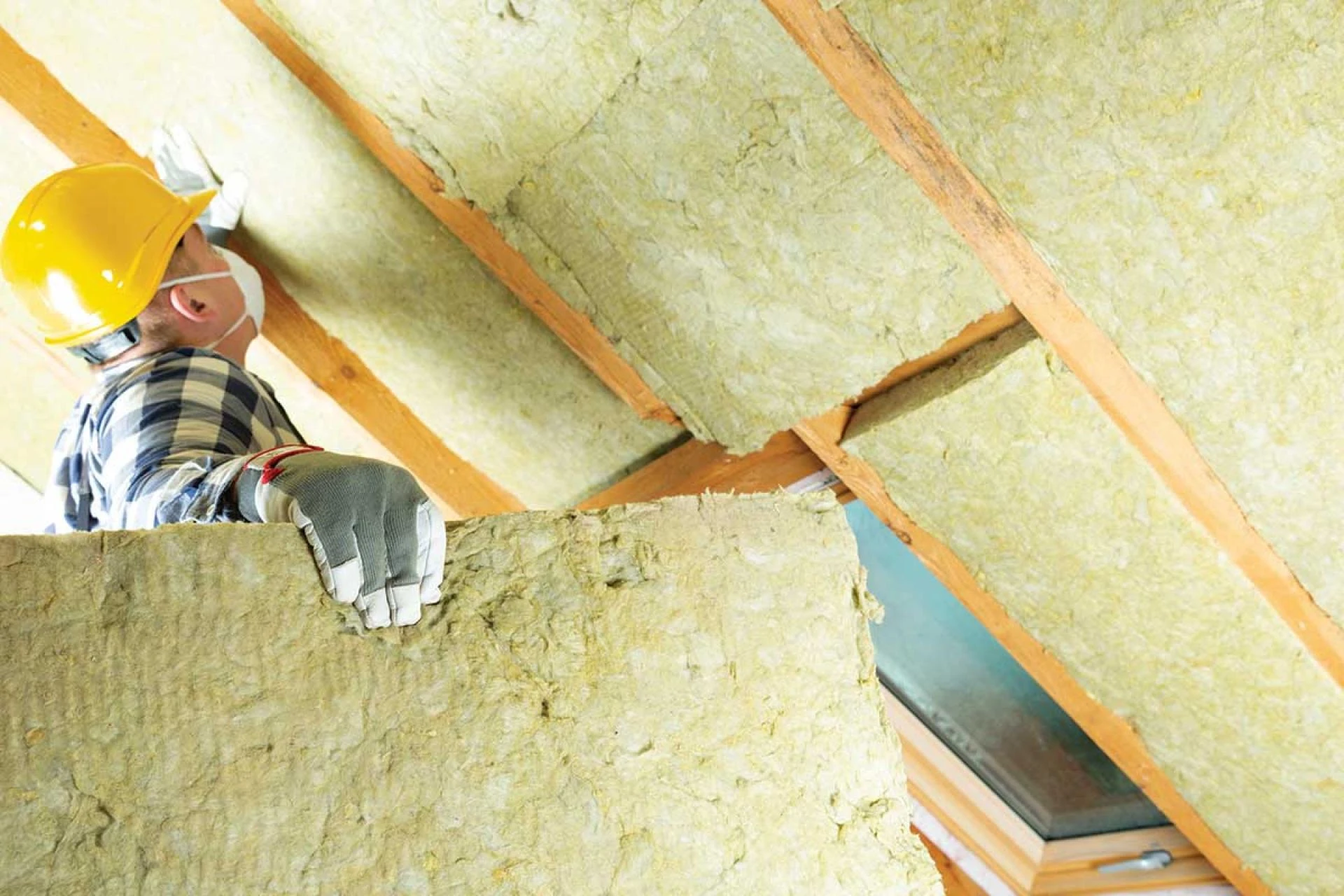

The most common insulation installation errors in Crockett properties include improper vapor barrier placement, compression of fiberglass batts, inadequate coverage at crucial junctions, and incorrect R-value selection for the local climate zone. These mistakes typically result in reduced energy efficiency, moisture accumulation issues, and premature insulation degradation that can collectively increase energy costs by 15-25% annually while potentially causing structural damage through mold growth or wood rot.
Installing insulation correctly requires understanding Texas's unique climate challenges, where high humidity combined with temperature extremes demands proper moisture management alongside thermal performance. According to the Building Performance Institute, approximately 46% of existing insulation installations nationwide contain at least one significant defect reducing effectiveness by 30% or more, highlighting the importance of proper installation techniques specific to Crockett's subtropical climate conditions.
Critical Installation Errors and Their Consequences
Improper Vapor Barrier Orientation
Vapor barrier placement represents one of the most consequential insulation errors in Crockett, TX homes. In Crockett's humid climate, vapor barriers should generally face the conditioned living space rather than the exterior. Reverse installation creates condensation traps within wall cavities, where moisture accumulates and damages both insulation and structural components.
The consequences of improper vapor barrier orientation include:
- Reduced R-value as moisture accumulates in insulation materials
- Potential mold growth within wall assemblies
- Structural wood deterioration over time
- Increased cooling costs due to compromised insulation performance
According to a 2024 study by the Texas Residential Energy Efficiency Network, improper vapor barrier orientation accounts for approximately 27% of moisture-related structural damage in Texas homes.
Bonus Tip: When retrofitting insulation in existing Crockett homes, consider using "smart" vapor retarders that adapt their permeability based on seasonal humidity conditions, allowing walls to dry in both directions when needed.
Compressed or Improperly Fitted Insulation
Compression significantly undermines insulation performance, particularly with fiberglass products. This frequently occurs when installers force thicker insulation into narrow cavities or when subsequent experts unknowingly compress insulation while performing other work.
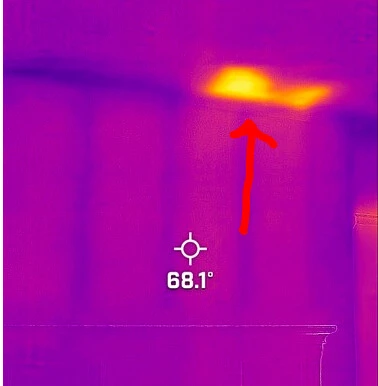
The impact of compression varies by material:
Insulation Type
Compression Amount
R-Value Reduction
Energy Efficiency Impact
Fiberglass Batts
25% compressed
20% R-value loss
10-15% efficiency reduction
Fiberglass Batts
50% compressed
40% R-value loss
20-30% efficiency reduction
Cellulose
25% compressed
10% R-value loss
5-10% efficiency reduction
Spray Foam
Properly cured
Minimal loss
<5% efficiency reduction
Incomplete Coverage at Critical Junctions
Gaps and voids at structural intersections create thermal bridges that bypass otherwise effective insulation systems. Common problem areas in Crockett homes include:
- Wall-to-attic junctions (top plates)
- Rim joists where foundations meet framing
- Areas around electrical boxes and recessed lighting
- Window and door rough openings
- Transitions between different insulation types
A Lawrence Berkeley National Laboratory study found that even small insulation gaps covering just 5% of a surface area can reduce effective R-value by up to 50%. In Crockett's climate, this translates to significantly increased cooling costs during extended summer months.
Incorrect R-Value Selection for Climate Zone
Crockett falls within IECC Climate Zone 3, which requires specific insulation levels for optimal performance. Installing insufficient R-values remains a common error, particularly in renovation projects.
Building Component
Minimum R-Value for Crockett
Common Mistake R-Value
Annual Energy Impact
Attic/Ceiling
R-38 to R-49
R-19 to R-30
15-25% higher costs
Exterior Walls
R-13 to R-20
R-11 or less
10-20% higher costs
Floors
R-19
R-13 or less
5-15% higher costs
Crawlspaces
R-19
Uninsulated
10-20% higher costs
Inadequate Attic Ventilation Coordination
Proper attic insulation must work in conjunction with adequate ventilation. Many Crockett insulation projects fail by either blocking soffit vents with insulation or creating an insufficient ventilation ratio for the attic space.
Key ventilation requirements include:
- Maintaining clear soffit-to-ridge airflow pathways
- Providing 1 square foot of ventilation per 300 square feet of attic space
- Balancing intake (soffit) and exhaust (ridge) vent areas
- Installing proper baffles to prevent insulation from blocking airflow
The Department of Energy reports that properly ventilated attics with correct insulation installation can reduce cooling costs by up to 20% in hot, humid climates like Crockett's.
Technical Specifications for Proper Installation
Understanding material requirements and installation specifications helps prevent costly errors.
Installation Factor
Technical Requirement
Common Error
Solution Approach
Vapor Barrier Facing
Toward living space in Crockett climate
Reversed orientation
Verify direction before installation
Batt Installation
Cut precisely to fit cavity width
Compression or gaps at edges
Measure and cut accurately, avoid stuffing
Air Sealing
Complete before insulation
Skipped or inadequate
Caulk/foam all penetrations and seams
Insulation Depth Markers
One per 300 sq ft in attics
Omitted
Install visible markers throughout attic
Ventilation Baffles
At all soffit-to-attic transitions
Blocked vents
Install before insulation placement
Junction Box Coverage
3" clearance around boxes
Complete coverage
Use box extenders when needed
Things to Consider Before Insulation Installation
Climate-Specific Requirements for Crockett, TX Homes
Crockett's climate presents unique insulation challenges requiring specialized approaches:
- High humidity levels demand excellent vapor control
- Extended cooling seasons prioritize heat gain prevention
- Periodic cold snaps require adequate thermal resistance
- Frequent storms necessitate water-resistant materials in vulnerable areas
According to the Texas State Energy Conservation Office, homes properly insulated for Texas conditions show a 23% average reduction in cooling costs compared to properties with generic insulation approaches not tailored to regional needs.
Pre-Installation Building Envelope Assessment
Before insulation installation, comprehensive evaluation prevents costly errors:
- Air leakage testing identifies infiltration pathways requiring sealing
- Moisture assessment detects existing problems requiring remediation
- Structural evaluation ensures framing can support insulation weight
- Electrical inspection identifies wiring requiring protection from insulation contact
The Building Performance Institute recommends addressing all envelope deficiencies before insulation installation, noting that 30% of insulation projects fail to deliver expected performance due to unresolved pre-existing conditions.
Bonus Tip: Schedule insulation projects during moderate temperature seasons in Crockett (spring or fall). This allows for more comfortable working conditions, better curing of spray foam products, and easier detection of air leakage pathways.
Material Selection Based on Application Area
Different insulation materials serve specific functions in different home areas:
- Attics benefit from loose-fill or batt solutions with high R-values
- Walls perform best with cavity-filling materials preventing convection
- Crawlspaces require moisture-resistant options with vapor control
- Rim joists need air-sealing properties to prevent infiltration
The North American Insulation Manufacturers Association indicates that proper material selection based on application area can improve overall building efficiency by 12-18% compared to using a single insulation type throughout.
Professional Insulation Services
Open Cell Insulation
Open cell spray foam creates an effective air barrier while allowing water vapor to pass through. This flexibility makes it ideal for interior applications in Crockett's humid climate, particularly in walls and roof decks where some vapor permeability benefits the structure. The material expands to fill irregular cavities, eliminating gaps that compromise thermal performance.
Closed Cell Insulation
Closed cell foam delivers superior moisture resistance and higher R-value per inch, making it essential for ground-level applications in Crockett, TX. This material creates a vapor barrier while providing structural reinforcement, particularly valuable during Texas storm events. Its density prevents moisture migration through foundations and lower wall assemblies.
Fiberglass Batt Insulation
Pre-cut fiberglass panels offer cost-effective solutions when properly installed without compression. This traditional option works well in standard-dimension framing members typical in Crockett homes, particularly in attics where depth allows full expansion and maximum thermal performance.
Fiberglass Loose Fill Insulation
Blown-in fiberglass provides excellent coverage in irregular spaces and attics with obstacles. This solution conforms around wiring, plumbing, and framing obstructions that would create gaps with batt products. Its flowing nature ensures complete coverage of top plates and other critical thermal boundaries.
Paint Over Spray Foam
Specialized coatings protect and enhance exposed spray foam applications. These products shield foam insulation from UV degradation in areas like crawlspaces or garages while providing improved fire resistance characteristics and aesthetic appearance for partially finished spaces.
Spray Foam Roof Insulation
Direct application to roof decking creates a seamless thermal envelope. This approach eliminates the ventilation requirements of traditional attic designs, particularly beneficial in Crockett's high-humidity environment where conventional ventilation sometimes introduces excess moisture during summer months.
Common Questions About Insulation Installation
What preparation should happen before insulation installation begins?
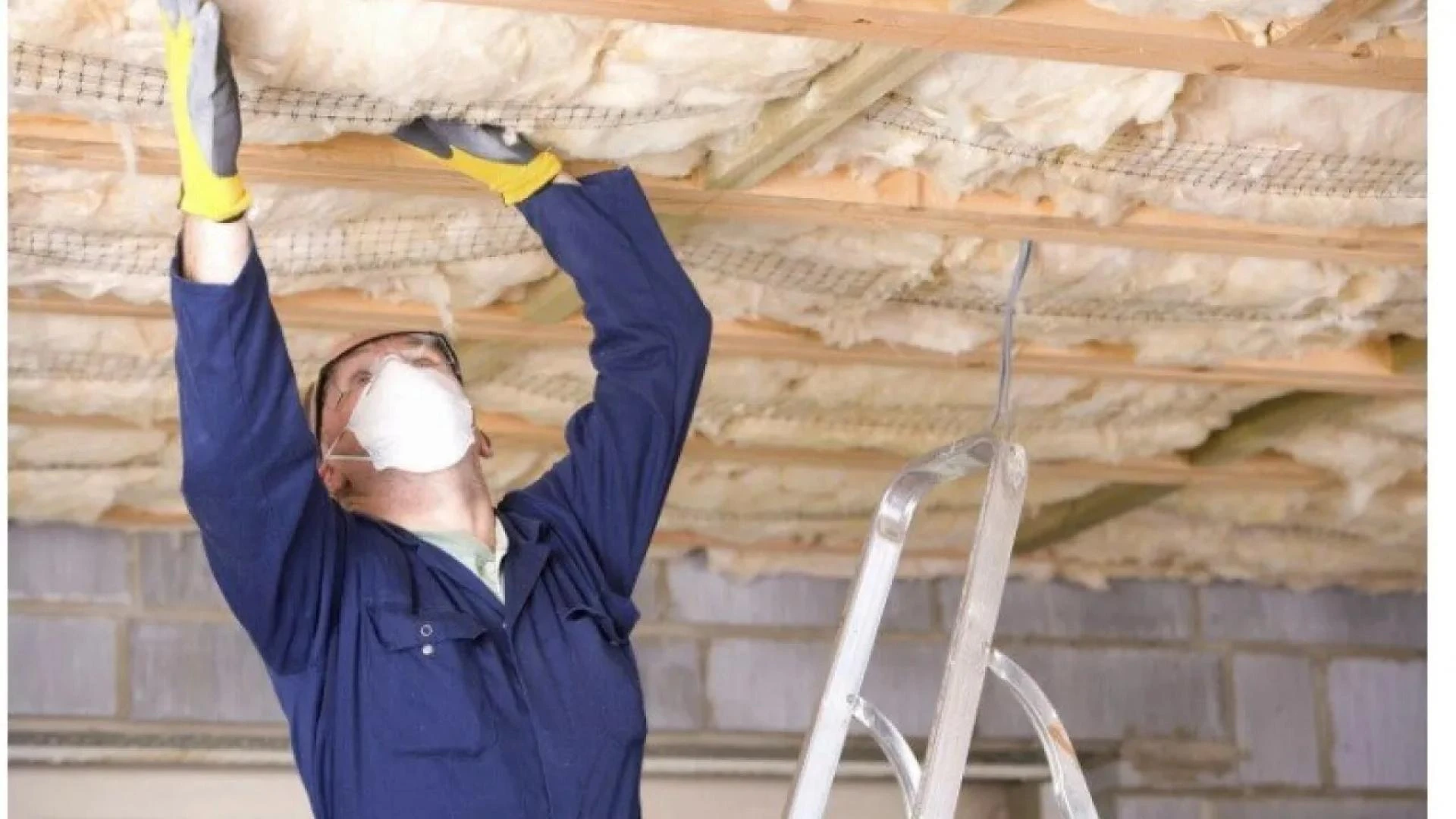
Thorough preparation prevents most installation errors. Essential steps include completing all electrical and plumbing rough-ins, sealing all penetrations through the building envelope, repairing any existing moisture damage, and ensuring appropriate depth markers for blown insulation. Additionally, HVAC ducting should be sealed and insulated before surrounding insulation installation begins.
How soon after installation can energy savings be expected?
Energy savings typically begin immediately following proper installation. Most Crockett homeowners report noticeable comfort improvements within days and measurable utility bill reductions within the first full billing cycle. Maximum performance benefits usually manifest within 30-60 days as the HVAC system adjusts to the improved thermal envelope.
Should existing insulation be removed before installing new materials?
The answer depends on the existing insulation condition. Remove old insulation when it shows signs of water damage, pest infestation, or compressed performance. However, in many cases, properly installed new insulation can supplement existing materials. Professional evaluation determines whether removal benefits outweigh the additional cost and disruption.
How can proper installation be verified after completion?
Post-installation verification should include visual inspection for complete coverage, depth measurements in blown applications, and thermal imaging during appropriate weather conditions. Many quality installations include before-and-after blower door tests to quantify air leakage reduction. Request documentation of achieved R-values and coverage verification.
Frequently Asked Questions
How do insulation requirements differ between newer and older Crockett homes?
Older Crockett homes (pre-1990s) typically feature balloon framing with continuous wall cavities and fewer fire blocking elements, requiring special attention to prevent insulation from falling into basements or crawlspaces. Newer homes generally have platform framing with fire blocks that create separate insulation zones requiring individual attention. Additionally, older homes often need significantly more air sealing before insulation installation to address structural settling gaps that developed over decades.
What insulation maintenance is required after proper installation?
Properly installed insulation requires minimal maintenance. Annual visual inspection of accessible areas helps identify potential issues early. Check attic insulation for signs of water staining, pest activity, or shifting that creates gaps. Wall insulation typically requires no maintenance unless the home experiences water intrusion from plumbing leaks or exterior envelope failures. Crawlspace insulation should be inspected seasonally for signs of moisture accumulation.
How does proper insulation installation affect indoor air quality?
Correctly installed insulation with appropriate air sealing significantly improves indoor air quality by reducing uncontrolled air infiltration that brings pollen, dust, and humidity into living spaces. However, very tight home envelopes require planned ventilation strategies to maintain healthy air exchange. The most effective approaches combine proper insulation with mechanical ventilation systems that control when and how air enters the building.
Can existing insulation errors be corrected without complete replacement?
Many insulation deficiencies can be remediated without total replacement. Common solutions include strategic air sealing at identified leakage points, supplemental insulation in underperforming areas, vapor barrier corrections in accessible spaces, and ventilation improvements. Energy audit professionals can identify the most cost-effective remediation strategies based on thermal imaging and performance testing rather than wholesale replacement.
How do extreme weather events in Texas affect insulation requirements?
Crockett's occasional extreme weather events demand specific insulation considerations. Hurricane-force winds require proper soffit insulation techniques that won't restrict ventilation yet resist wind-driven moisture intrusion. Winter ice storms necessitate adequate insulation at roof edges to prevent ice dams. Summer heat waves test attic insulation effectiveness and can reveal previously unnoticed gaps through substantial temperature differentials.
Ready to Ensure Proper Insulation Installation
Avoiding the installation errors described above significantly improves insulation performance, energy efficiency, and long-term property protection in Crockett's challenging climate. Proper techniques and materials tailored to Texas conditions maximize return on insulation investments while preventing costly remediation projects.
For expert guidance on insulation installation specific to Crockett, TX properties, contact D&D Insulation LLC at (903) 389-5705 or email [email protected] to schedule a professional consultation focused on avoiding these common installation pitfalls.
Reviewer
Reviewer: Henry Turner has 9 years of experience in spray foam insulation. He reviewed this article and helped shape it into a clear guide for companies working to build trust in their local market.























Sign in to leave a comment.