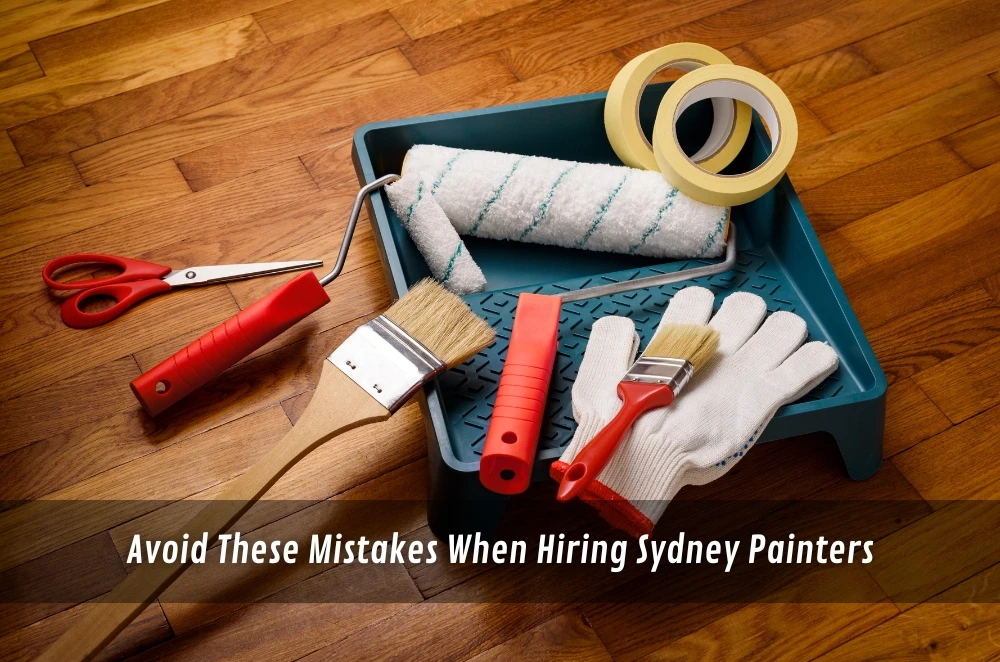

Hiring painters in Sydney can seem straightforward — until the prep is rushed, the finish flakes, or timelines start slipping. It's easy to assume painting is a low-risk job, but the truth is, a poorly managed project can leave lasting frustration. I’ve seen it firsthand — when a rushed repaint turned into a patchy, uneven mess that we had to redo six months later.
There’s more to a good result than just picking colours and hoping for the best. When you’re looking into Sydney painting services, what really matters is how well they handle the entire process, from protecting your home to applying the right finish for your walls and environment. It’s that kind of attention to detail that separates a decent job from one you actually feel proud of.
And if you want it done right the first time? You’ve got to know what to ask, and what to avoid.
Underestimating the importance of preparation and planning
Here’s something most people overlook until the damage is already done — surface prep. You might think a good paint job starts with the first coat, but it actually starts well before that. Sanding, sealing, cleaning — the groundwork is what makes the colour last. But so often, that’s skipped, rushed, or just poorly explained.
Here's what to consider before a single brush hits the wall:
- Do they wash, sand, or seal surfaces before painting?
- Are drop sheets and masking tape part of the process?
- How will they handle high-traffic areas during the job?
- Will there be disruptions to your routine?
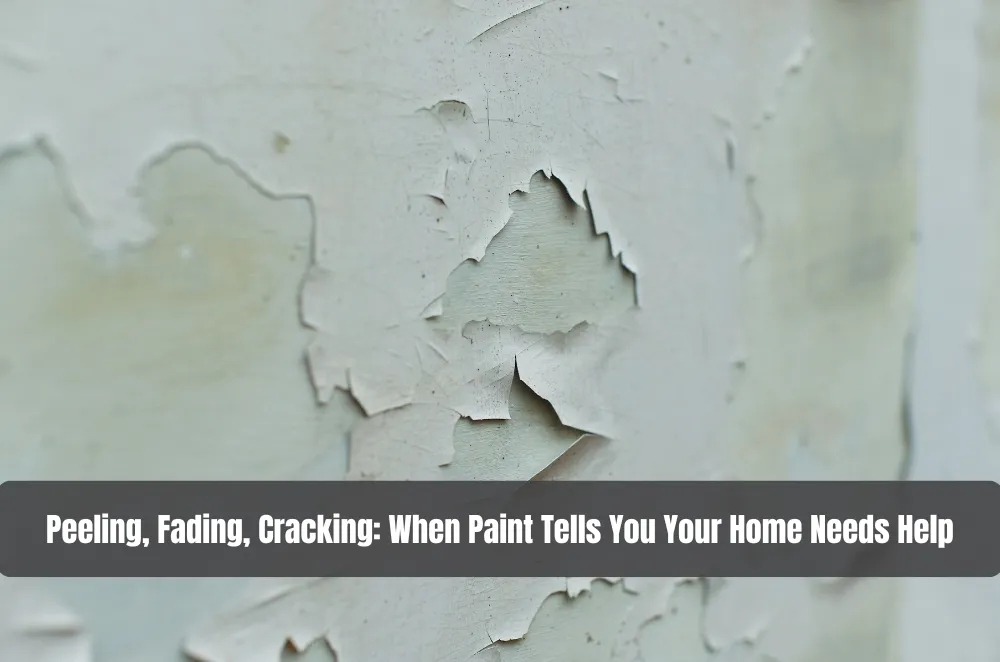
I’ve seen entire jobs botched because no one thought to check for peeling paint under old weatherboards. Prep doesn’t show up on invoices as much as fancy paint brands do, but it makes or breaks the result. That’s just the truth.
Overlooking licensing and trade qualifications
It’s surprising how many homeowners assume licensing is just... a formality. But in the real world, having the correct trade credentials matters — a lot. Licensing is tied to responsibility. And when something goes wrong, that thin piece of documentation is what separates a fix from a full-blown dispute.
Understanding painting licence requirements in NSW helps clarify the basic standards any legitimate painting contractor should meet. Licensing is more than paperwork — it reflects a professional's commitment to safe practices, knowledge of local codes, and proper insurance coverage. It’s a simple check that can prevent major headaches down the line.
One friend of mine had an entire rendered wall recoated after a painter failed to use the right undercoat — and guess what? No licence, no accountability. The guy disappeared before the paint dried.
Choosing a painter without asking the right questions
I used to think asking too many questions made me look picky or hard to work with. Then I hired a painter who showed up two days late, had a different apprentice each day, and casually switched paint brands halfway through the job, with no warning.
A few key things to ask:
- What specific brands and finishes do they use?
- Will the same team be working each day?
- Can they commit to a defined schedule with daily timeframes?
- How do they handle changes mid-project?
Conversations up front matter more than people realise. The more you ask, the more likely you are to catch inconsistencies and weed out the less reliable options. Trust doesn’t come from charm; it comes from clarity.
Ignoring the painter's specialisation or job scope
This one’s a bit sneaky — because most painters won’t tell you they’re not suited for your job. They’ll say yes and figure it out later. But residential, strata, commercial, and heritage projects all come with totally different needs. The prep work, materials, tools, and timeline expectations shift dramatically.
A good match often comes down to how well the painter understands your home’s surfaces, age, and layout. For more clarity, it helps to compare firsthand experiences with choosing a professional painter in Sydney, which explores how subtle differences in project type can affect the outcome.
I once hired someone who specialised in commercial warehouse interiors for a Victorian terrace repaint. Big mistake. He treated it like concrete and tore up old plasterwork with high-pressure sanding equipment that wasn’t right for the job.

Disregarding timing, weather, and environmental factors
Sydney’s weather is a wildcard. Some months it’s crisp and dry, others it’s humid enough to mess with drying times, and those shifts can really affect paint performance. A good painter will take that into account, but not everyone will tell you upfront if the weather’s going to throw a spanner in the works.
Other overlooked details include:
- Seasonal allergies or sensitivities to paint fumes
- Scheduling during school holidays or major events
- Noise or parking issues in busy residential areas
- Pet or child safety during work hours
On one job, our painters didn’t ask about access and ended up running power cords through a neighbour’s garden. Small stuff like that can sour a job quickly. It’s easy to prevent — if someone’s thinking ahead.
Final thoughts
A professional paint job can lift a home’s appearance and feel — but only if you avoid the missteps that trip so many people up. From overlooking licence requirements to ignoring communication red flags, each detail adds up. Taking the time to ask better questions and clarify expectations goes a long way.
A helpful breakdown of the process and expectations is also available in this Sydney house painting guide, which touches on practical considerations for homeowners managing residential painting projects across different suburbs and property types.
The most common regrets I hear from people aren’t about colour — they’re about poor prep, rushed timelines, or poor communication. And every one of those problems could’ve been avoided if the right questions were asked upfront.






























Sign in to leave a comment.