
Vitiligo is one of those skin conditions that can feel confusing… and honestly a little emotional too. One small white patch appears on the skin, then maybe another months later. Sometimes it stays the same for years. Sometimes it spreads. Nobody can really predict it perfectly.
I remember meeting someone at a yoga class who casually mentioned she had been dealing with vitiligo for almost eight years. She shrugged and said she had tried creams, diet changes, sunlight therapy… and somewhere along the way she started looking into Ayurveda. That’s how many people stumble into the idea of Ayurvedic Medicine for Vitiligo, especially natural herbal combinations like the ones used by Shri Chyawan Ayurved.
And the interesting thing? Ayurveda has been talking about vitiligo for centuries. It even has a traditional name for it — Shwitra.
The idea behind treatment isn't just about skin color. It focuses on digestion, blood purification, and restoring balance inside the body.
Sounds simple on paper… though real life healing rarely follows neat timelines.
Why Ayurveda Connects Vitiligo With Digestion
Ayurveda often links skin problems to digestive imbalance.
The theory goes like this. When digestion weakens, toxins — called Ama — start circulating in the body. Over time those toxins disturb the skin’s natural pigmentation process.
Not everyone agrees with that explanation, of course. But it’s interesting how many people with vitiligo also talk about stomach issues… bloating, irregular digestion, things like that.
Because of this connection, Ayurvedic treatment for vitiligo naturally often includes herbs that clean the blood and support gut health.
And some of those herbs have been used for generations.
Babchi (Bakuchi): The Herb Everyone Mentions
Babchi is probably the most talked-about herb in Ayurvedic remedies for vitiligo.
It contains natural compounds that react with sunlight and may help restore melanin production in the skin. In old Ayurvedic texts, Babchi seeds were ground into paste or oil and applied to depigmented patches.
People still use Babchi oil today.
Though fair warning… the herb is strong. Skin sensitivity can happen if it’s used carelessly. Many Ayurvedic doctors prefer using it as part of balanced herbal formulas rather than alone.
Still, Babchi keeps appearing in almost every discussion around herbal treatment for vitiligo.
Makes you curious.
Neem: Bitter but Powerful
Neem has this reputation in India as the “cleanser” herb. Bitter leaves, strong smell, slightly harsh taste… but somehow everyone’s grandmother swears by it.
In vitiligo care, Neem is believed to support:
- Blood purification
- Immune balance
- Skin health
People sometimes drink neem juice or take neem powder as part of natural vitiligo treatment in Ayurveda.
Not the tastiest morning drink though. I tried it once. Let's just say… it wakes you up.
Manjistha: The Skin-Friendly Root
Manjistha is a reddish root used a lot in Ayurvedic skin therapies.
Traditional practitioners often mention it while discussing Ayvedic herbs for skin pigmentation disorders. The herb supports circulation and helps cleanse the blood.
Many Ayurvedic formulations aimed at vitiligo treatment naturally include Manjistha along with other herbs that support the liver and lymphatic system.
It works quietly in the background.
Kind of like a behind-the-scenes helper.
Haritaki: The Digestion Support Herb
Haritaki comes from the famous Ayurvedic trio called Triphala. If someone has explored Ayurveda even a little, they’ve probably heard about it.
In the context of Ayurvedic treatment for leucoderma, Haritaki helps improve digestion and remove toxin buildup from the body.
Better digestion… cleaner blood circulation… healthier skin response.
At least that’s the traditional reasoning.
Guduchi (Giloy): The Immune Balancer
Guduchi — also called Giloy — became very popular during the pandemic. People started drinking it for immunity.
Ayurveda has used it for centuries though.
Some practitioners recommend Guduchi as part of Ayurvedic medicine for vitiligo and skin disorders because it helps balance the immune system.
Vitiligo is sometimes linked with autoimmune reactions where the body mistakenly attacks pigment cells.
Guduchi may help calm that response.
Healing in these cases often takes patience. Months sometimes.
Small Lifestyle Habits Ayurveda Suggests
Herbs are only part of the picture. Ayurvedic texts often talk about diet and daily habits too.
Some suggestions appear again and again:
- Avoid mixing milk with sour foods
- Reduce very salty or fermented meals
- Eat freshly cooked food more often
- Spend some time in gentle morning sunlight
Sun exposure, especially early morning sunlight, is sometimes recommended because it supports melanin production.
Though moderation matters. Too much sun can irritate the skin.
Bodies are complicated like that.
Herbal Formulations Often Work Better Than Single Herbs
Many people try individual herbs first. A powder here, an oil there.
Ayurvedic practitioners often prefer herbal combinations though. The reason is pretty simple — different herbs support different processes in the body.
A typical Ayurvedic vitiligo treatment formula might combine:
- Babchi
- Neem
- Manjistha
- Guduchi
- Haritaki
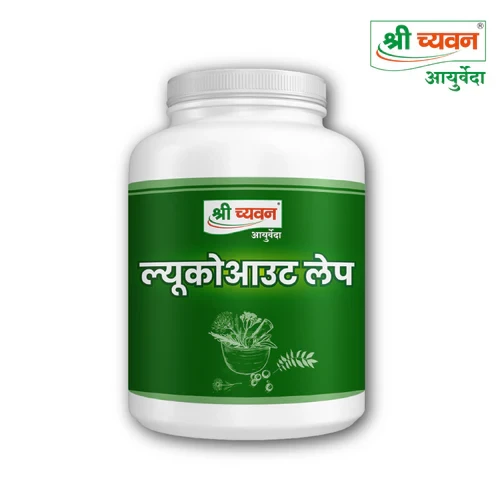
Brand like Shri Chyawan Ayurved use these kinds of herbal blends in their formulations for leucoderma support.
It’s less about one miracle herb and more about steady internal support.
Emotional Side of Vitiligo (People Don’t Talk About This Enough)
Vitiligo isn’t painful. Still… it affects how people feel about their appearance.
Some patches stay hidden under clothing. Others appear on the hands, face, neck.
And society can be strange about visible skin differences.
I’ve heard people say the hardest part wasn’t the condition itself. It was the stares. Or the questions from strangers.
That’s one reason many individuals start exploring natural vitiligo treatment in Ayurveda. The approach feels slower, calmer… less aggressive than some medical treatments.
Not everyone sees the same results, of course. Bodies react differently.
Still, the idea of working with the body rather than fighting it appeals to many people.
Patience Is Part of the Process
Vitiligo doesn’t appear overnight.
So improvement rarely happens overnight either.
Ayurvedic practitioners often mention that skin conditions linked to pigment changes can take time — sometimes several months — before visible changes appear.
Consistency matters.
Herbs. Diet. Lifestyle habits.
Little things repeated over time.
A Quiet Thought Before You Go
Skin tells stories about what’s happening inside the body. Digestion, immunity, stress levels… it all shows up eventually.
Vitiligo can feel mysterious, even frustrating.
Yet Ayurveda keeps returning to a simple idea — support the body gently and give it time to restore balance.
No dramatic promises. Just steady care.
And sometimes… that slow path ends up feeling more natural anyway.





























Sign in to leave a comment.