

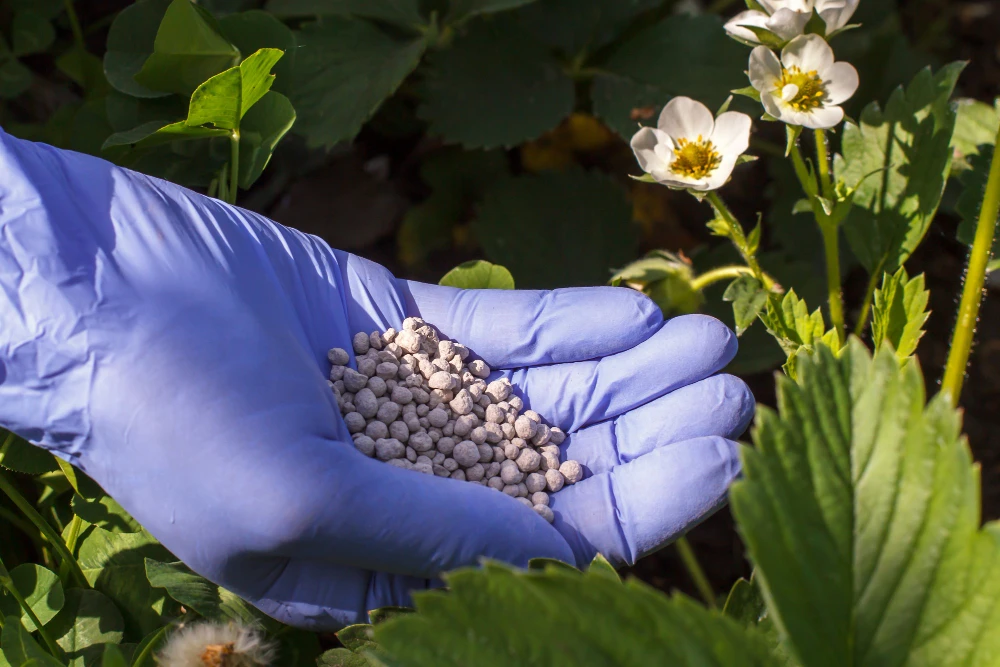
In the world of agriculture, chemical fertilizers have long been treated like heroes. But as more farmers turn towards sustainable farming, a new player is getting all the attention—Azotobacter vinelandii. This tiny bacterium is making a big name for itself in soil health and crop growth, and honestly, it might just be the real MVP farmers have been waiting for.
Let’s break down what makes Azotobacter vinelandii so special.
What Is Azotobacter vinelandii?
Azotobacter vinelandii is a free-living nitrogen-fixing bacteria found naturally in the soil. That means it can take nitrogen gas (N₂) from the air and convert it into a form plants can use—without needing to be inside plant roots, unlike rhizobium which works only in legumes.
This unique ability helps improve soil fertility without the need for chemical fertilizers.
How Does It Help the Soil?
Here's what Azotobacter vinelandii does to improve soil health:
🌱 1. Fixes Atmospheric Nitrogen
It captures nitrogen directly from the atmosphere and converts it into ammonia, enriching the soil naturally. This saves farmers money on urea and other nitrogen fertilizers.
🌿 2. Produces Growth-Promoting Substances
It releases substances like auxins, gibberellins, and vitamins, which help in seed germination, root growth, and overall plant health.
💧 3. Improves Soil Texture
Azotobacter vinelandii produces slime-like materials that bind soil particles together. This improves water retention and soil aeration, especially helpful in dry or sandy soils.
How Does It Help the Plants?
Using Azotobacter vinelandii can bring many benefits to plant growth:
Faster germination and stronger seedlings
Healthier roots and better nutrient uptake
Increased resistance to drought and diseases
Higher yields without depending too much on chemical fertilizers
It’s not just useful for one crop—it works well with vegetables, cereals, cotton, sugarcane, and even horticultural plants.
Why Is It Better Than Chemical Fertilizers?
Chemical fertilizers give a quick boost, but they don’t support long-term soil health. Overuse of these fertilizers can lead to:
Soil becoming hard or compact
Loss of helpful microbes
Pollution of nearby water sources
On the other hand, Azotobacter vinelandii is safe, eco-friendly, and builds up soil fertility over time. It improves the microbial life of the soil, making it alive and productive for years to come.
How to Use Azotobacter vinelandii?
You can find it in the form of liquid biofertilizer or powder-based inoculants. Here’s how most farmers use it:
Seed treatment: Mix with water and coat the seeds before sowing.
Soil application: Mix it with compost or FYM and apply it to the field.
Drip irrigation: Use the liquid version through drip lines for easy and even distribution.
Pro tip: Always store it in a cool place and avoid mixing it with strong chemical pesticides or fertilizers.
Fertilizers have their place, no doubt. But if you’re thinking about long-term soil health, reduced input costs, and natural farming, Azotobacter vinelandii is truly the MVP. It works silently in the soil, giving your plants the boost they need—without harming the earth.
So next time you’re preparing your field, maybe skip a few bags of fertilizer and give this mighty microbe a chance. Your crops—and your soil—will thank you for it.































Sign in to leave a comment.