

As agriculture continues to evolve, more farmers are turning to sustainable practices to address the challenges of soil health, rising fertilizer costs, and environmental concerns. Among the most promising solutions in this movement is Azotobacter Vinelandii, a nitrogen-fixing bacterium that offers farmers a natural, cost-effective way to enhance soil fertility and boost crop yields. If you’re looking to make your farming operations more sustainable, here’s why Azotobacter Vinelandii should be part of your strategy.
What is Azotobacter Vinelandii?
Azotobacter Vinelandii is a soil bacterium that naturally fixes nitrogen from the air, making it available to plants in a form they can use. Nitrogen is a critical nutrient for plant growth, and although it’s abundant in the atmosphere, plants can’t directly access it. Azotobacter Vinelandii comes to the rescue by converting nitrogen into ammonia, a usable form of nitrogen that plants can absorb.
This bacterium doesn’t require chemical fertilizers to work, making it an ideal tool for sustainable farming. By incorporating Azotobacter Vinelandii into your farming practices, you can reduce the need for synthetic fertilizers, minimize environmental impact, and improve soil health.
How Does Azotobacter Vinelandii Work?
Azotobacter Vinelandii works through a process called biological nitrogen fixation. The bacterium forms a symbiotic relationship with plants, where it fixes nitrogen in the soil while benefiting from the nutrients plants provide. This process occurs naturally in the soil, but when Azotobacter Vinelandii is introduced, it significantly enhances the nitrogen availability for plants.
Farmers can apply Azotobacter Vinelandii in various ways, including:
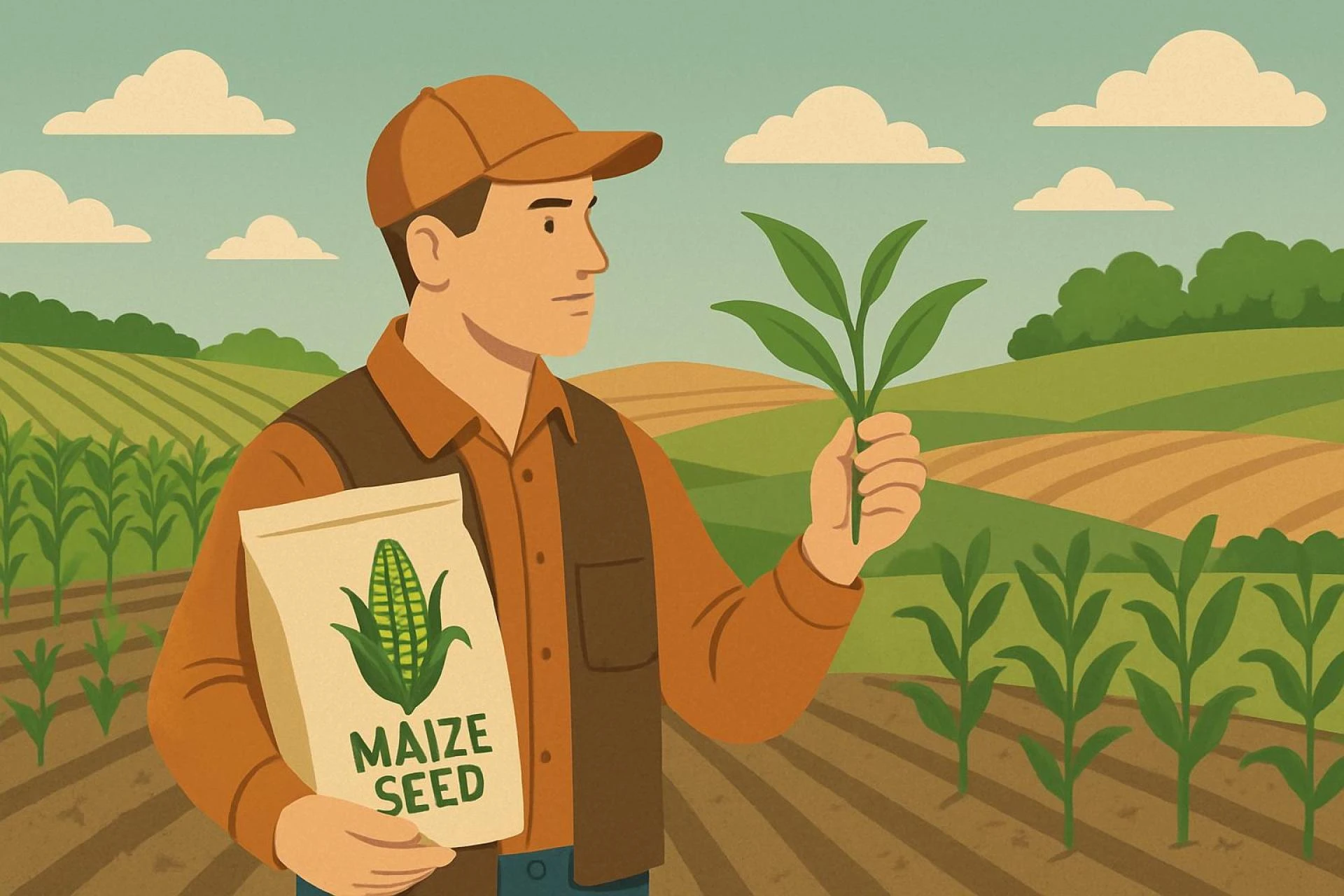
- Seed Inoculation: Treating seeds with Azotobacter Vinelandii before planting ensures the bacteria is present in the soil once the seeds germinate.
- Soil Application: For larger farming operations, the bacteria can be mixed directly into the soil to boost its nitrogen-fixing ability.
- Foliar Spray: In some cases, Azotobacter Vinelandii is applied directly to plant leaves to help boost nitrogen levels during the growing season.
This versatility makes it a valuable tool for a wide range of crops, including cereals, vegetables, and fruits.
Key Benefits of Azotobacter Vinelandii for Sustainable Farming
1. Natural Nitrogen Fixation
One of the primary benefits of Azotobacter Vinelandii is its ability to naturally fix nitrogen, reducing the need for synthetic fertilizers. Chemical fertilizers are not only expensive but also harmful to the environment. Over time, they can lead to soil degradation, reduced biodiversity, and water pollution. Azotobacter Vinelandii helps solve this issue by providing plants with a natural, sustainable source of nitrogen without the negative environmental impact of chemicals.
2. Enhanced Soil Health
Azotobacter Vinelandii doesn’t just fix nitrogen—it also enhances overall soil health. It helps break down organic matter, improves soil structure, and increases the availability of other nutrients, creating a fertile environment for plant roots. Healthy soil means healthier plants, which are more resilient to pests, diseases, and environmental stresses.
3.Reduced Fertilizer Costs
By using Azotobacter Vinelandii, farmers can reduce their dependence on expensive chemical fertilizers. This leads to significant cost savings, making farming more affordable. Over time, the use of Azotobacter Vinelandii can help offset the costs of conventional fertilizers and lead to a more sustainable, cost-effective farming operation.
4.Eco-Friendly Farming
As the global push for sustainability grows, more farmers are seeking ways to reduce their environmental footprint. Azotobacter Vinelandii provides an eco-friendly solution that not only benefits the farm but also contributes to a healthier planet. By reducing fertilizer use, improving soil health, and supporting biodiversity, Azotobacter Vinelandii is an essential component of environmentally conscious farming.
5.Increased Crop Yields
Azotobacter Vinelandii helps promote stronger, more vigorous plant growth. By ensuring a steady supply of nitrogen, it enhances photosynthesis, boosts root development, and improves nutrient uptake. These benefits contribute to higher crop yields and better-quality produce. Farmers who use Azotobacter Vinelandii often see improved crop performance, making it an attractive solution for those looking to maximize their harvests.
6.Boosted Plant Resistance
Healthy plants are better equipped to withstand environmental stresses, pests, and diseases. Azotobacter Vinelandii contributes to plant resilience by improving soil conditions, promoting better root systems, and enhancing nutrient availability. This means less reliance on chemical pesticides and fertilizers, further supporting a sustainable farming approach.
How to Incorporate Azotobacter Vinelandii into Your Farming Strategy
Incorporating Azotobacter Vinelandii into your farming operations is simple and can be tailored to your needs. The bacterium can be applied during soil preparation, along with seed planting, or as part of a regular maintenance program throughout the growing season. It can be used in conjunction with other sustainable farming practices, such as crop rotation, organic matter management, and reduced pesticide use, to create a holistic approach to farming.
Is Azotobacter Vinelandii Right for Your Farm?
Azotobacter Vinelandii is suitable for a wide variety of crops, from grains and vegetables to fruits and legumes. It is particularly beneficial for organic farmers or those looking to reduce their environmental impact while still ensuring high crop yields. It’s a powerful tool in sustainable farming, providing a natural way to boost soil health, reduce costs, and increase productivity.
Conclusion
Azotobacter Vinelandii is a game-changer for farmers seeking to implement more sustainable, cost-effective farming practices. By enhancing nitrogen fixation, improving soil health, and reducing dependence on chemical fertilizers, it provides a natural solution for growing healthier crops with fewer environmental impacts. Whether you’re a small-scale farmer or managing a larger operation, integrating Azotobacter Vinelandii into your farming strategy can help you achieve long-term sustainability while boosting your bottom line.
Make the switch to Azotobacter Vinelandii today and see the difference it can make in your soil health, crop yields, and overall farm sustainability.





























Sign in to leave a comment.