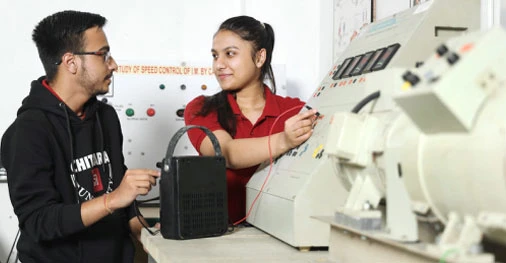

A b tech in electrical engineering at Chitkara University offers strong career opportunities in power systems, automation, and emerging technologies. With industry-focused learning, students gain practical skills, good salary prospects, and access to diverse job roles in both private and government sectors.
What is B Tech in Electrical Engineering?
B Tech in Electrical Engineering is a four-year undergraduate program that focuses on the study of electricity, electronics, and electromagnetism. It teaches how electrical systems are designed, developed, and maintained in real-world industries.
This program covers key subjects such as:
- Power generation and transmission
- Electrical machines
- Control systems
- Renewable energy technologies
- Circuit analysis
Today, electrical engineering plays a major role in modern life—from smart homes to electric vehicles and renewable energy systems. With increasing demand for sustainable energy and automation, this field is becoming more relevant than ever.
At Chitkara University, students learn through practical labs, live projects, and industry exposure. This helps them understand how theoretical concepts are applied in real situations.
Career Opportunities & Salary Trends
A degree in b tech in electrical engineering opens doors to multiple career paths across industries like energy, manufacturing, IT, and infrastructure.
Top Job Roles
- Electrical Engineer
- Power System Engineer
- Control System Engineer
- Design Engineer
- Maintenance Engineer
- Renewable Energy Engineer
Industries Hiring Electrical Engineers
- Power generation companies
- Construction and infrastructure firms
- Manufacturing industries
- IT and automation companies
- Government sectors like railways and defense
Salary Trends in India
Salary depends on skills, experience, and company, but here’s a general idea:
- Entry-level (0–2 years): ₹3 LPA – ₹6 LPA
- Mid-level (3–7 years): ₹6 LPA – ₹12 LPA
- Experienced professionals: ₹12 LPA – ₹25 LPA+
With experience and specialization, professionals can also move into leadership roles or start their own ventures.
Skills Required for Future Jobs
To succeed in this field, students need a mix of technical and soft skills. A b tech in electrical engineering helps build these skills, but continuous learning is also important.
Key Skills:
- Strong understanding of electrical concepts
- Problem-solving and analytical thinking
- Knowledge of circuit design and simulation tools
- Programming basics (like MATLAB or Python)
- Understanding of automation and robotics
- Communication and teamwork skills
- Adaptability to new technologies
These skills make students job-ready and help them grow faster in their careers.
Comparison with Traditional Degrees
Many students often compare engineering with other degrees. Here’s how b tech in electrical engineering stands out:
| Feature | Electrical Engineering | Traditional Degrees |
|---|---|---|
| Focus | Technical & practical | Mostly theoretical |
| Career Scope | Wide (core + IT + govt) | Limited to specific fields |
| Salary Growth | High with experience | Moderate |
| Industry Demand | Strong and growing | Depends on field |
| Skill Development | Hands-on + technical | Concept-based |
Electrical engineering offers more technical exposure and better industry alignment compared to many traditional courses.
Why This Program Prepares Students Well
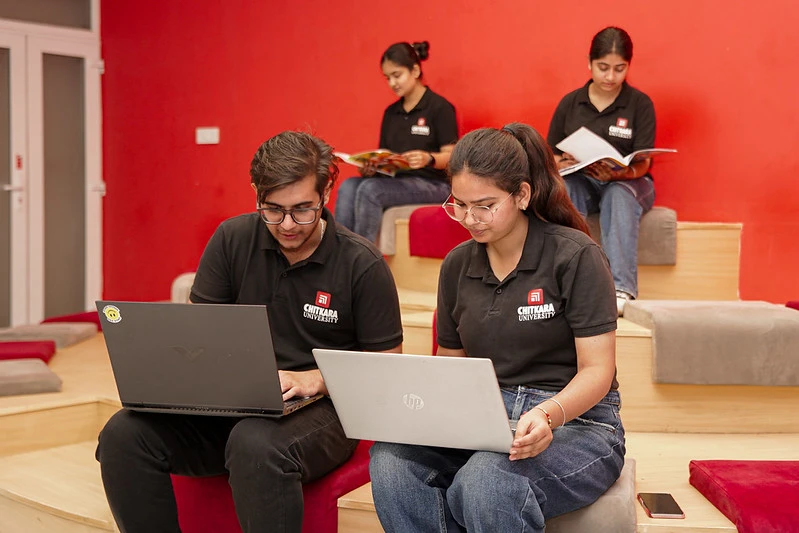
Chitkara University focuses on making students industry-ready through modern teaching methods and practical exposure.
Key Benefits:
- Industry-oriented curriculum: Updated according to current trends
- Practical learning: Labs, workshops, and real-world projects
- Internship opportunities: Work with top companies during the course
- Experienced faculty: Learn from experts with industry knowledge
- Placement support: Strong network with recruiters
Students are trained not just in theory but also in applying knowledge to solve real problems. This makes them confident and job-ready from day one.
Conclusion
A b tech in electrical engineering from Chitkara University is a smart choice for students who want a stable, high-growth career. With strong academic support, practical exposure, and industry relevance, this program prepares you for future-ready jobs and long-term success in the engineering world.
FAQs
1. What is the scope of electrical engineering in the future?
Electrical engineering has strong future scope due to growth in renewable energy, electric vehicles, and automation technologies.
2. Is electrical engineering a good career choice?
Yes, it offers stable jobs, good salaries, and opportunities in both private and government sectors.
3. What are the top recruiters for electrical engineers?
Top recruiters include power companies, manufacturing firms, IT companies, and government organizations.
4. Can electrical engineers work in the IT sector?
Yes, many electrical engineers move into software, data analysis, and automation roles.
5. What higher studies can I pursue after this degree?
You can go for M.Tech, MBA, or specialized certifications in fields like robotics or renewable energy.
6. Does this course require strong math skills?
Basic understanding of mathematics is important, especially for circuits and system analysis.




























Sign in to leave a comment.