

When Work Means Choice: A Snapshot of Two Worlds
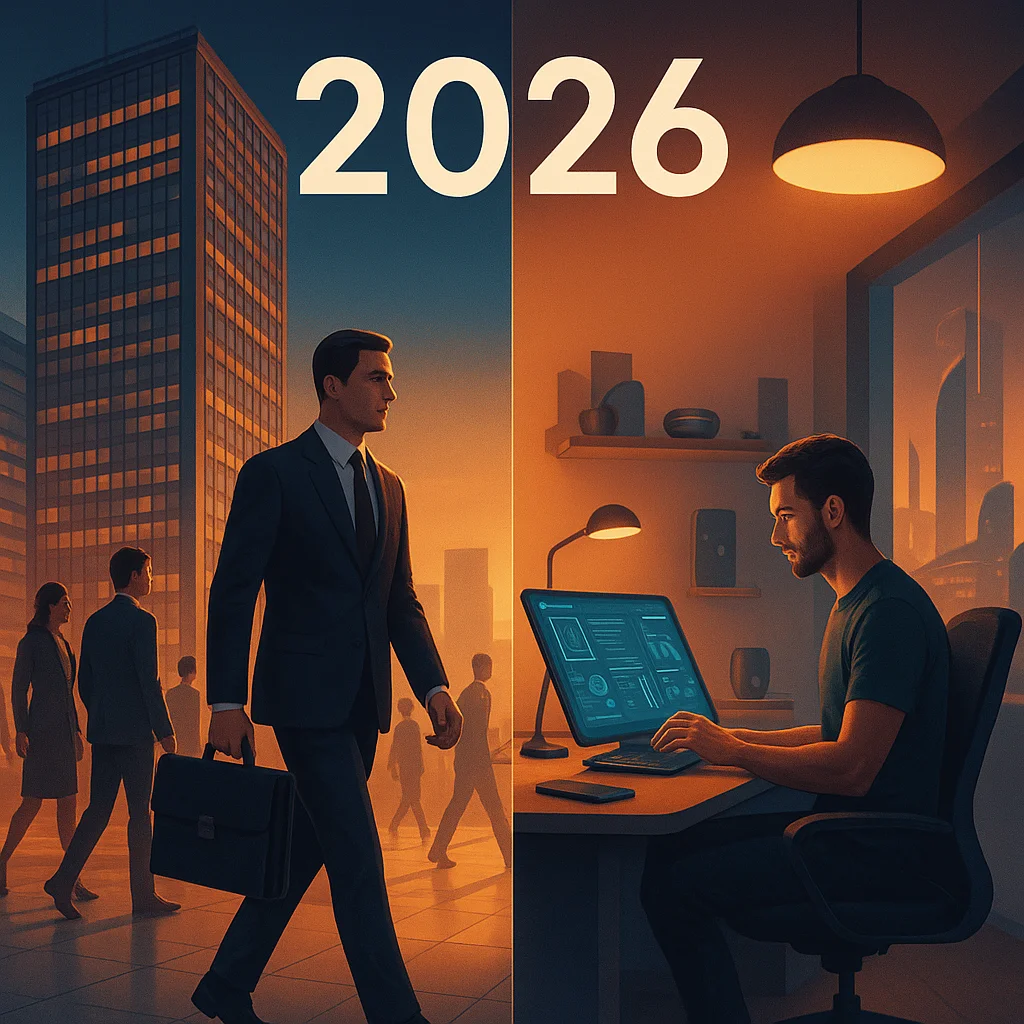
Imagine a crisp Monday morning in Stockholm. Anna, a graphic designer, sips her coffee in a cozy corner at home, setting up her laptop for a day of freelancing. Across town, Erik, a software engineer, walks into a bustling office, ready for a scheduled team meeting. Both pursue rewarding careers but in vastly different ways. This scene reflects a growing trend worldwide where the lines between freelancing and full-time employment blur yet remain distinct paths in career development.
Recent statistics reveal the magnitude of this shift. According to the International Labour Organization, nearly 30% of the global workforce engaged in some form of freelance work by 2025, a significant rise from previous decades. Meanwhile, traditional full-time roles continue to anchor many economies, sustaining benefits, stability, and structured career growth. This contrast sets the stage for a nuanced exploration of the advantages and challenges inherent in freelancing versus full-time employment.
“The choice between freelancing and full-time employment is not binary but a spectrum where individual priorities shape the ideal path.” — Career development expert, Dr. Helena Forsberg
Tracing the Path: Historical Context and Evolution
The dichotomy between freelancing and full-time employment has deep roots. Traditionally, full-time employment dominated the industrial and post-industrial eras, offering steady paychecks, social security, and career ladders. Freelancing, often viewed as precarious or supplementary, was limited to specific professions like writing, art, or consulting.
However, the digital revolution transformed this paradigm. The rise of the internet, cloud technologies, and remote collaboration tools broadened freelancing’s reach dramatically. Platforms like Upwork and Fiverr emerged as marketplaces connecting freelancers with global clients. By 2020, the gig economy was recognized as a mainstream employment model, challenging assumptions about job security and career trajectories.
This historical shift is key to understanding the present dynamics. Where once full-time roles promised longevity, now many workers seek flexibility, autonomy, and varied experiences—qualities freelancing offers. Yet, full-time jobs still provide structured growth, benefits, and a sense of belonging that many find essential.
“Freelancing’s rise is less about replacing traditional jobs and more about expanding what work can look like in a connected world.” — Economist Prof. Lars Ekström
Freelancing and Full-Time: A Comparative Analysis
At the heart of career decision-making lies a complex balance of pros and cons. Evaluating these dimensions can illuminate which path better suits individual goals and circumstances.
Financial Considerations
Full-time employment often means a fixed monthly salary, predictable income, and benefits such as pensions, health insurance, and paid leave. According to Statista data from 2025, approximately 75% of full-time employees in OECD countries receive employer-sponsored health benefits, a critical factor in financial security.
Conversely, freelancing income varies widely, depending on client volume, rates, and market demand. While top freelancers may earn significantly more than average salaried workers, income instability is a common challenge. Freelancers must also cover their own taxes, insurance, and retirement savings, often without employer contributions.
Work-Life Balance and Flexibility
Freelancers typically enjoy control over their schedules and work environments, allowing for a better blend of personal and professional life. This autonomy can reduce stress and increase job satisfaction. However, the absence of boundaries may lead to longer working hours and difficulty disconnecting.
Full-time employees usually follow set hours and office locations, which can provide clear separation but also limit personal flexibility. Hybrid and remote work models, widespread by 2026, have softened these boundaries somewhat, enabling more adaptable schedules within full-time roles.
Career Development and Stability
Full-time jobs often offer structured career paths, training programs, mentorship, and social networks that foster professional growth. Job security, though fluctuating in some sectors, remains stronger on average in full-time roles.
Freelancers gain diverse project experience and entrepreneurial skills but may face challenges in accessing formal development opportunities. Networking becomes self-driven, and career progression can feel less linear.
Community and Identity
Working full-time frequently means belonging to a team, contributing to company culture, and building long-term professional relationships. This sense of community supports mental well-being and motivation.
Freelancers often work independently, which can be isolating. However, many join co-working spaces or online communities to foster connection. Emotional resilience and self-motivation become essential traits.
Summary Comparison
- Income Stability: Full-time roles provide steadier pay; freelancing offers income variability with potential for higher earnings.
- Flexibility: Freelancing enables greater schedule freedom; full-time employment offers more routine.
- Benefits: Employer-provided benefits favor full-time employees; freelancers manage benefits independently.
- Career Growth: Structured in full-time roles; self-directed in freelancing.
- Social Environment: Built-in community in full-time jobs; requires effort for freelancers.
These factors shape the landscape for today’s workforce, as reflected in related research such as Freelancing vs Full-Time Employment in 2026: Pros and Cons Explored.
2026: Shifting Trends and Emerging Realities
As we step into the mid-2020s, several new developments influence the freelancing versus full-time employment paradigm. Technological advancements, changing employer attitudes, and evolving worker preferences all play a role.
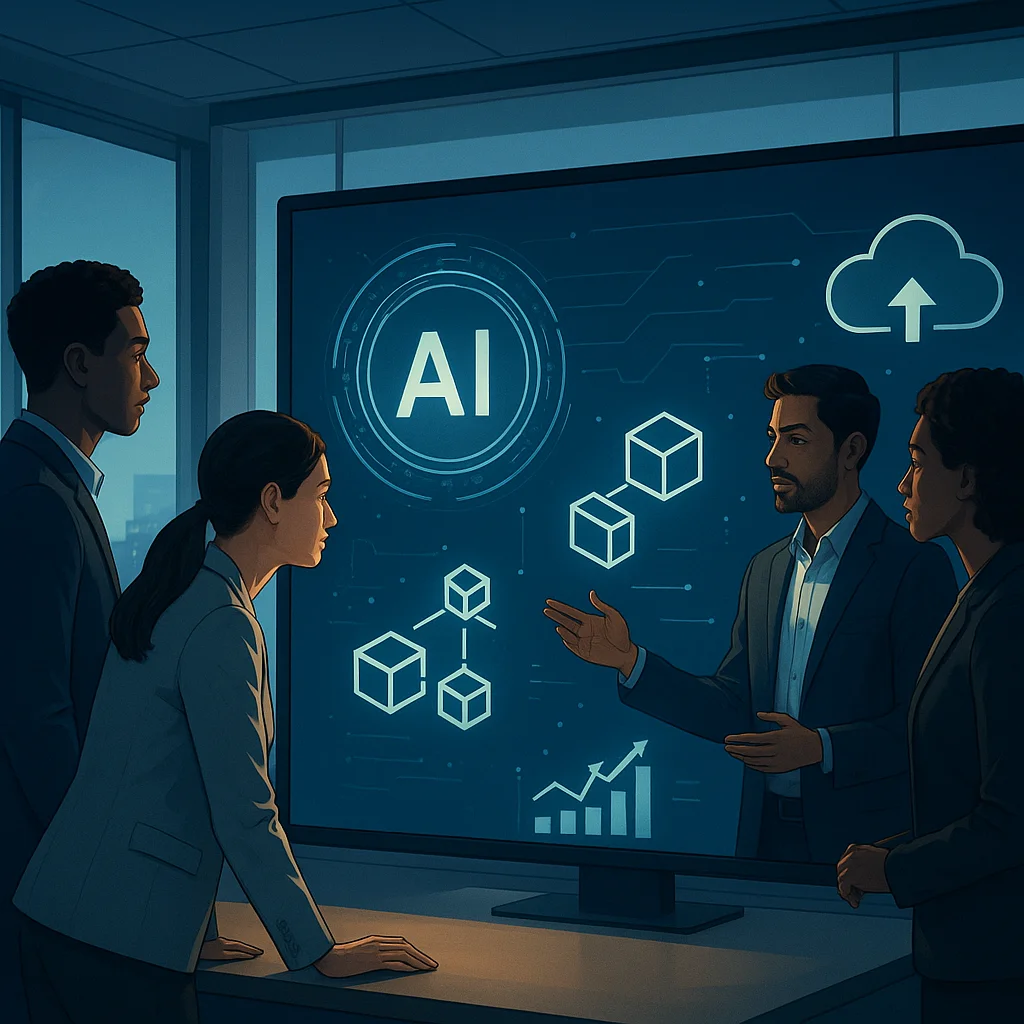
Artificial intelligence and automation tools now assist freelancers in project management, client acquisition, and even creative processes, enhancing productivity. Meanwhile, companies increasingly adopt flexible hiring models, blending full-time and freelance talent to optimize cost and innovation.
Legislation in various countries has started to recognize freelancers as essential contributors to the economy, offering tailored protections and benefits. For example, Sweden’s pilot program in 2025 introduced social security options for freelancers, aiming to reduce disparities with full-time workers.
Importantly, the global pandemic’s long-term effects continue to linger. Remote work acceptance has normalized flexibility, making full-time employment more adaptable while reinforcing freelancing’s appeal.
- Rise of Hybrid Roles: Many workers now toggle between freelancing gigs and part-time full-time roles to diversify income and experience.
- Upskilling Demand: Both freelancers and employees invest heavily in continual learning to stay competitive.
- Platform Economy Growth: Platforms facilitating freelance work are expanding with enhanced vetting and payment security features.
This evolving context invites workers to reconsider traditional assumptions and encourages employers to innovate workforce strategies, a topic explored in depth at Advanced Strategies for Freelancing vs Full-Time Employment Pros and Cons in 2026.
Voices from the Field: Expert and Industry Perspectives
Experts from human resources, economics, and psychology offer valuable insights into the implications of choosing freelancing or full-time employment.
Dr. Sofia Lindgren, a workplace psychologist, emphasizes the importance of autonomy for mental health but cautions that freelancers need robust support systems. “Without the social scaffolding of a traditional workplace, freelancers must cultivate mindfulness and community to thrive.”
Economist Henrik Dahl highlights the macroeconomic perspective: “Freelancing injects agility into labor markets, allowing rapid adaptation to economic shifts. However, policy frameworks must evolve to safeguard freelancers’ rights and ensure equitable access to benefits.”
From an industry standpoint, companies like Spotify and Klarna have embraced hybrid workforce models. Spotify’s Talent Acquisition Lead recently noted, “Our mix of full-time employees and freelance specialists allows us to innovate without sacrificing stability.”
“Freelancing is not a fallback but a strategic career choice demanding discipline and adaptability.” — Career coach Emma Jansson
“Full-time employment offers a community that nurtures growth, yet must evolve to embrace flexibility.” — HR strategist Johan Berg
Looking Ahead: Navigating the Future of Work
Anticipating the trajectory of freelancing and full-time employment invites reflection on both individual and systemic levels. For workers, understanding personal values, risk tolerance, and career goals remains crucial.
Employers, policymakers, and educators can foster environments that integrate the strengths of both models. Hybrid career paths, where workers fluidly move between freelancing and full-time roles, are likely to become more common. Digital credentialing, personalized benefits, and inclusive labor laws will support this evolution.
Key considerations for the future include:
- Income Security Innovations: Portable benefits and universal basic income debates may reshape financial stability for freelancers.
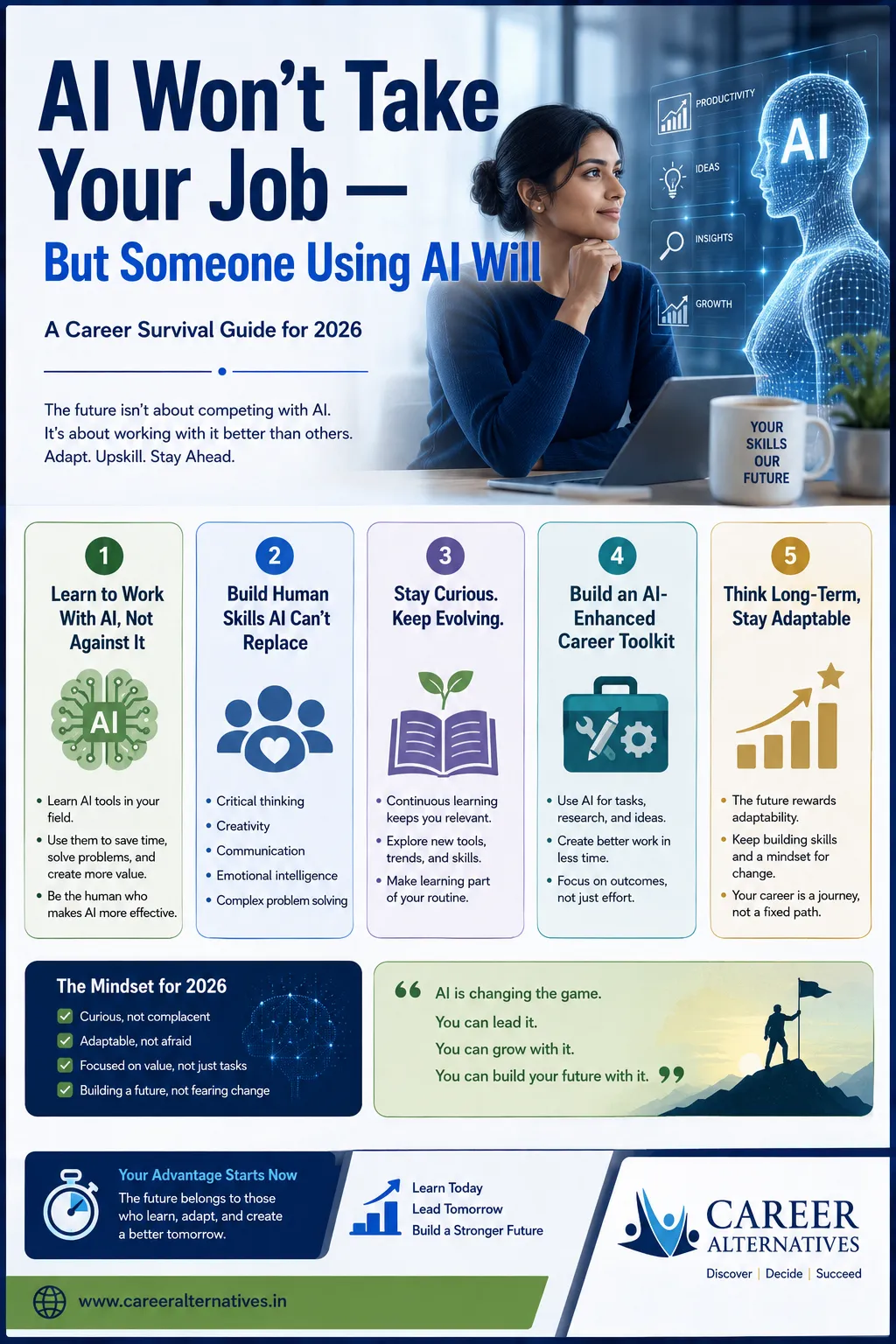
- Technology Integration: AI-driven tools will further empower freelancers while transforming full-time job functions.
- Global Talent Mobility: Cross-border freelancing will expand, demanding harmonized regulations and cultural sensitivity.
- Continuous Learning: Lifelong upskilling will be essential to navigate shifting job requirements.
For those beginning their professional journey or contemplating change, exploring foundational insights in Freelancing vs Full-Time Employment in 2026: A Beginner’s Guide to Pros and Cons can provide invaluable grounding.
Ultimately, the choice between freelancing and full-time employment is deeply personal and contextual. Both paths offer unique opportunities and challenges—embracing flexibility, security, autonomy, and community in varied measures. Whatever path one chooses, approaching it with clarity, preparation, and kindness to oneself fosters resilience and fulfillment.
Thank you for joining me in this exploration. May your career journey be thoughtful and gentle, as all good journeys should be.




























Sign in to leave a comment.