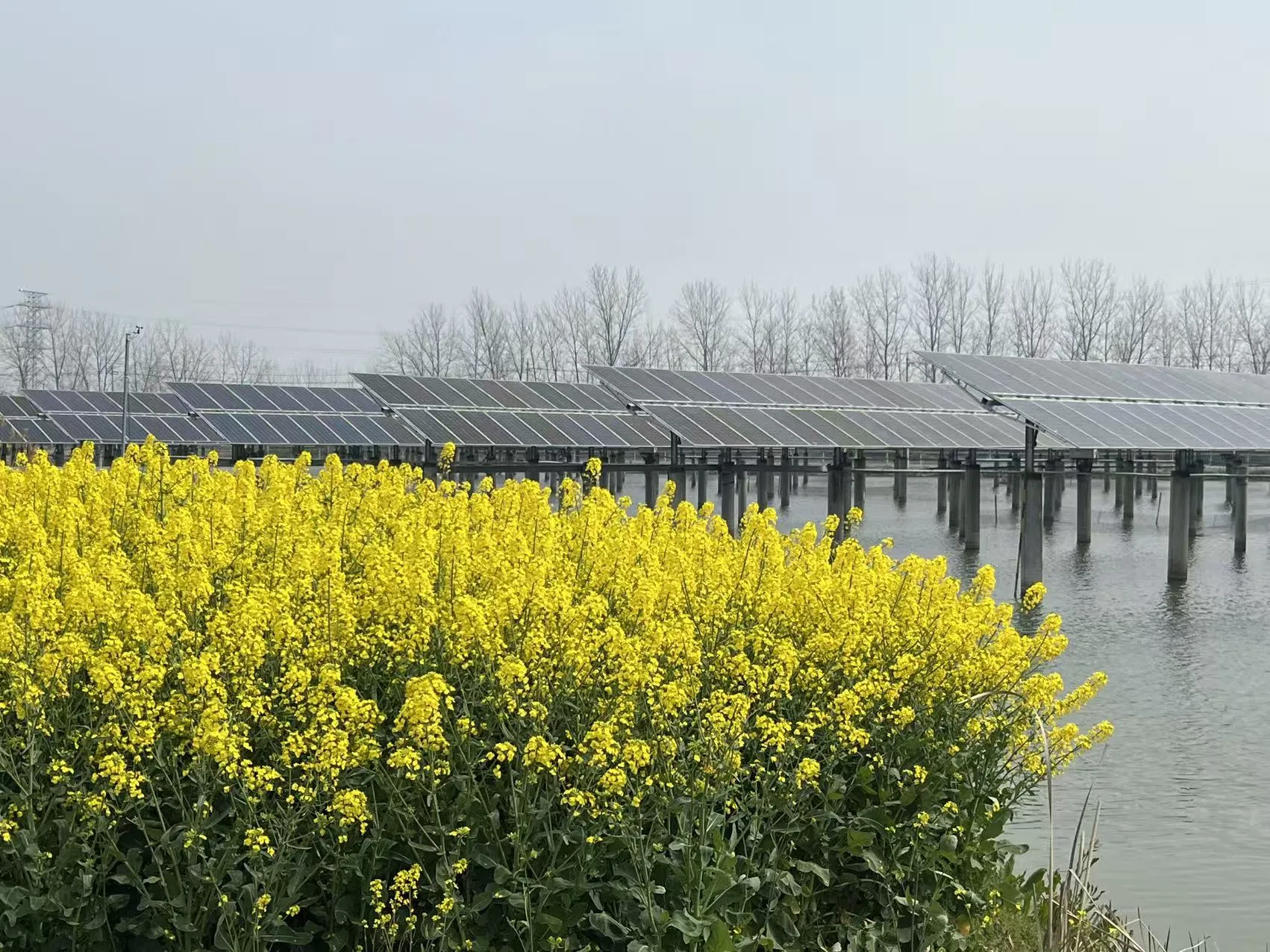

There is a solar farm in Jiangsu that looks unlike any other.
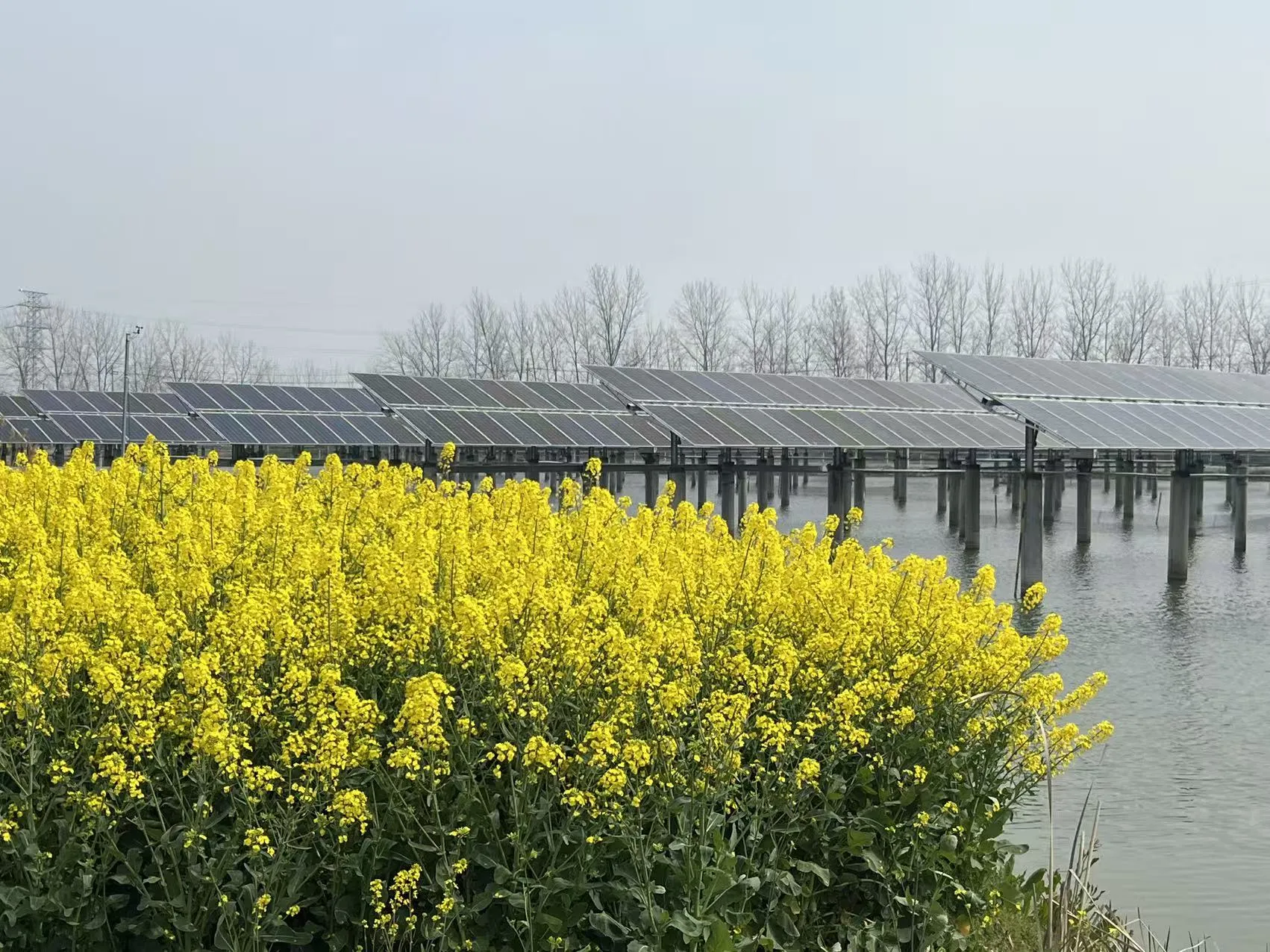
Rows of photovoltaic panels stand gracefully above water, their reflections shimmering on the calm surface below — while fish swim peacefully in the shadowed depths. This is the Baoying County Fishery-PV Complementary Tracking Solar Project in Yangzhou, where clean energy generation and aquaculture coexist on the same body of water.
Why This Project Stands Out
Most solar farms sit on flat land. This one doesn't need to.
By utilizing existing fish ponds, the project achieves what land-based solar cannot: dual output from a single plot. Electricity flows to the local grid above, while fish and shrimp thrive below — generating revenue on two fronts simultaneously.
The Smart Tracker Advantage
What separates this project from conventional floating PV is its deployment of horizontal single-axis solar tracker systems. Rather than fixed-tilt panels, each array rotates throughout the day, following the sun's path to maximize light capture.
The results speak for themselves: 15–25% higher energy yield compared to fixed-tilt installations. In a region like Jiangsu — where diffuse light dominates — that margin is the difference between a profitable project and an average one.
Powering this intelligence are two key control layers:
Solar TCU (Tracker Control Unit): Executes real-time angle commands at each row, runs local protection logic, and halts tracking during extreme wind events.
Solar NCU (Node Control Unit): Aggregates data from multiple TCUs, performs edge computation, and relays consolidated status to the central platform.
The entire fleet is overseen by a unified Solar SCADA platform — giving operators a live dashboard of every panel angle, inverter output, and communication status from a single control room.
The Eco-Benefit Nobody Expected
Here's what surprised the aquaculture team: the fish did better under the panels.
The floating PV array acts as a natural shade structure, moderating water temperature and reducing evaporation. Algae growth slowed. Oxygen levels stabilized. Some aquaculture zones even reported yield increases post-installation.

























Sign in to leave a comment.