

If you have ever stopped to admire the vibrant glow of a modern street light, the crisp display of a smartphone screen, or the efficient lighting in a modern office, you have witnessed the power of the LED PCB. It is the hidden engine behind almost all the bright, efficient light we rely on today. At its simplest, it is a printed circuit board designed to hold and power Light Emitting Diodes. Yet, when you look closer, there is so much more to it. These boards are the backbone of the lighting revolution that has transformed our world over the last two decades. Understanding how an LED PCB works is key to understanding how we moved from inefficient, heat-generating bulbs to the cool, long-lasting light sources that dominate our lives today.
What is an LED PCB?
An LED PCB is a specialized type of circuit board that provides both the electrical connections and the structural support for light-emitting diodes. Unlike a standard board that might focus on signal processing or logic, the primary role of this board is to manage power and—most importantly—heat. LEDs are incredibly efficient, but they still produce heat. If that heat is not managed properly, the LED will dim, shift color, or eventually fail entirely. Therefore, the board must act as a heat sink. It has to pull that thermal energy away from the diode and dissipate it into the surrounding environment. This makes the material composition of these boards quite different from the typical fiberglass boards found in your computer or radio.
Why the Material Choice Matters
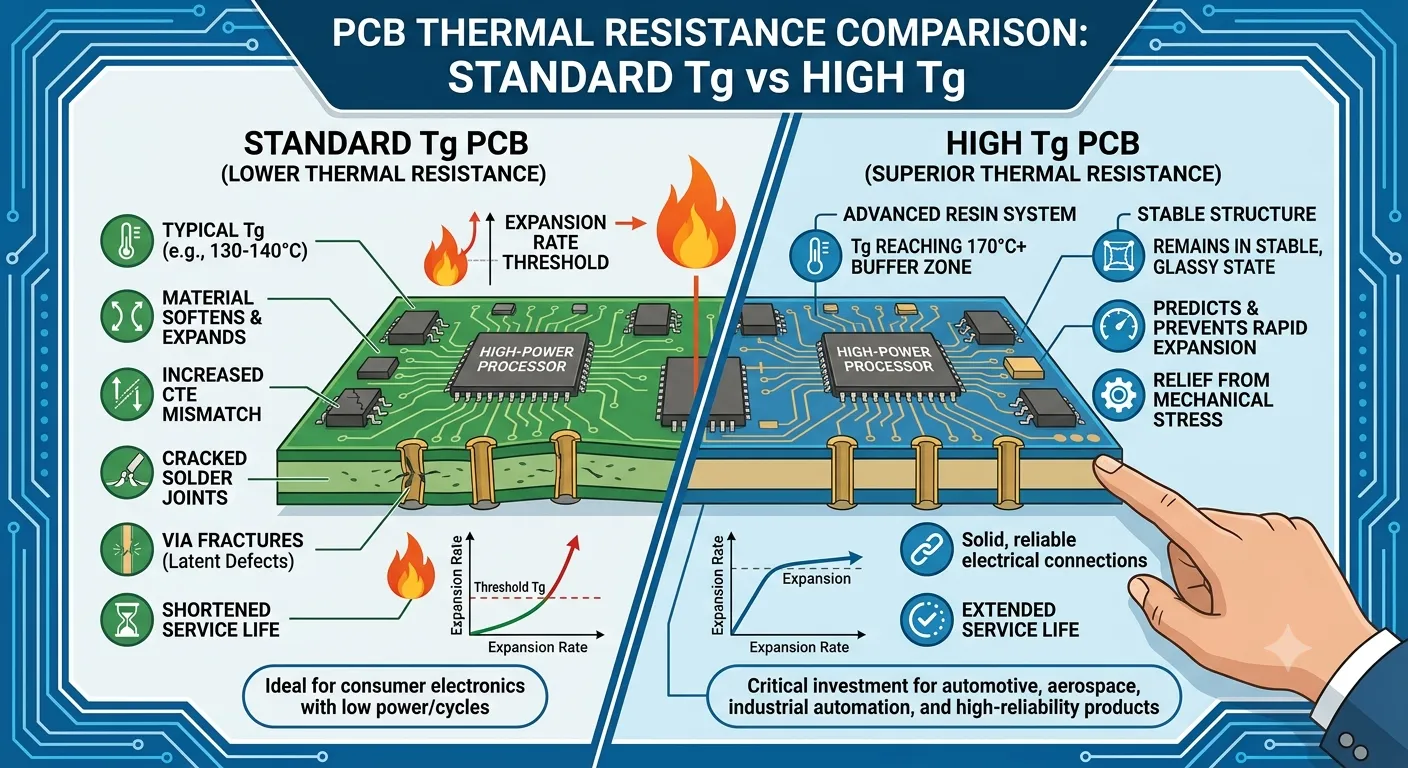
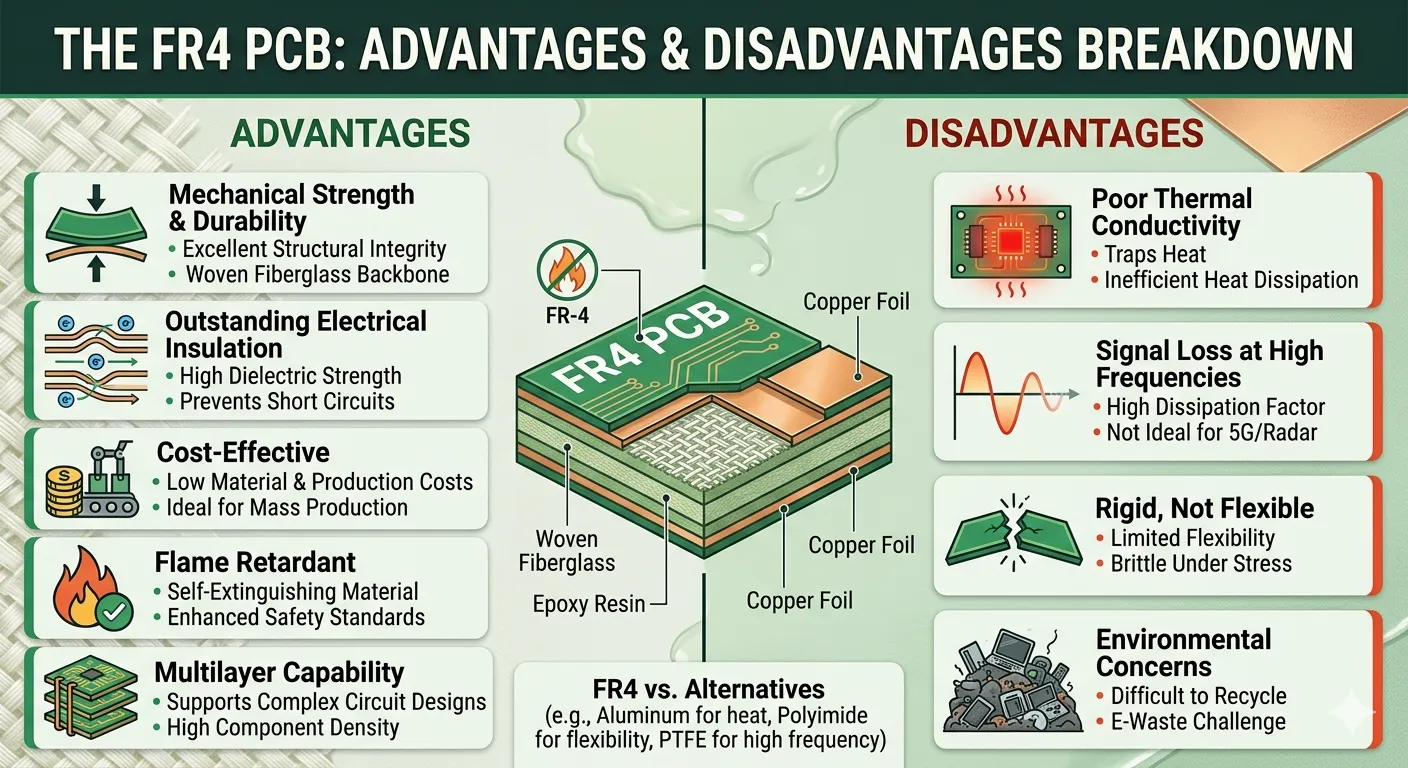
Standard circuit boards are often made from FR-4, which is a glass-reinforced epoxy laminate. FR-4 is great for many things, but it is a terrible thermal conductor. If you mounted a high-power LED on a standard FR-4 board, the heat would get trapped at the base of the diode. This would cook the components and drastically shorten their lifespan. This is why most LED PCB designs use Metal Core Printed Circuit Boards, often referred to as MCPCBs. These boards usually have a base made of aluminum or copper. This metal core is covered by a thin layer of thermally conductive dielectric material, which provides electrical insulation while allowing heat to pass through into the metal base. This clever construction allows the board to act like a giant radiator, keeping the LEDs cool and extending their life by thousands of hours.
The Engineering Behind Heat Dissipation
Heat dissipation is the most critical factor in the success of any LED PCB project. If you are designing for high-power lighting, like a spotlight or a floodlight, you cannot rely on air cooling alone. The board must be engineered to guide heat away from the diode’s junction as quickly as possible. This is where the choice of dielectric material comes into play. You need a material with high thermal conductivity that can also stand up to the voltage requirements of your design. Furthermore, the layout of the traces matters. A designer needs to ensure that there is enough copper volume to act as a thermal spreader. It is a balancing act of physics, material science, and electrical engineering.
Different Types of LED PCB Configurations
Not all boards are created equal. You will often see these boards categorized based on their core materials and construction. Aluminum-based boards are the most common because they offer an excellent balance of cost, thermal performance, and weight. They are the standard for most general lighting applications. For applications that require even higher thermal performance, such as massive outdoor stadium lighting or industrial machinery, copper-based boards are the go-to choice. Copper has superior thermal conductivity compared to aluminum, allowing it to handle much higher heat loads. Then there are flexible LED PCB options, which use a flexible substrate like polyimide. These are used in anything that needs to wrap around a curve, such as decorative lighting strips or wearable technology. Each configuration serves a specific set of needs, but they all share the goal of keeping the light source functioning efficiently.
The Design Process: From Concept to Light
Designing an LED PCB is a methodical process. It starts with the electrical requirements of the LEDs themselves, such as the forward voltage and current requirements. You then have to plan the layout. You need to position the diodes to achieve the desired light distribution, whether that is a tight beam for a flashlight or a wide flood for room lighting. Once the placement is settled, the routing begins. You have to ensure that the trace width is sufficient to handle the required current without causing a voltage drop. If you are dealing with high-power LEDs, you also need to incorporate thermal vias—small holes filled with conductive material—that help transport heat from the top layer of the board down to the core. This is a highly technical process, but it is what ensures the final product is both beautiful and long-lasting.
Common Challenges in LED PCB Manufacturing
Even with a perfect design, manufacturing can introduce its own set of hurdles. One of the biggest challenges is the bonding process between the metal core, the dielectric layer, and the copper circuit layer. If the bond is not uniform, it can create air pockets. These air pockets act as insulators, preventing heat from moving into the metal core. This is why high-quality manufacturing is so important. Another challenge is solderability. Because metal-core boards are designed to conduct heat away from the surface, they can be difficult to solder using standard techniques. The board itself wants to suck the heat away from your soldering iron, making it hard to form a good joint. Specialized assembly equipment that can heat the entire board surface evenly is often required to ensure that every LED is perfectly connected.
The Role of Optical and Thermal Simulation
Before a single board is ever printed, modern engineers use advanced simulation software. Optical simulation allows them to see how the light will spread from the LEDs across the board. They can predict if there will be hot spots or if the light will be diffused evenly. At the same time, thermal simulation allows them to see exactly where the heat will build up on the board under normal operating conditions. If the simulation shows a hotspot, the designer can adjust the trace layout or change the spacing of the diodes before wasting any money on physical prototypes. This digital phase is essential for reducing costs and ensuring that the final light performs exactly as expected in the real world.
Innovations Driving the Industry Forward
The field of LED PCB technology is constantly evolving. We are currently seeing a big push toward higher-density boards. This means putting more LEDs into a smaller space to achieve higher brightness levels. This trend is driven by the demand for smaller, more portable gadgets and thinner light panels. We are also seeing advancements in the dielectric materials themselves. New materials are being developed that offer better thermal conductivity while maintaining high electrical insulation. This allows designers to push the power limits of their boards even further. Additionally, the move toward "smart" lighting—where the boards are integrated with sensors and connectivity modules—is adding a new layer of complexity to the design, requiring boards that can handle both high power and high-speed data signals simultaneously.
Reliability and Quality Standards
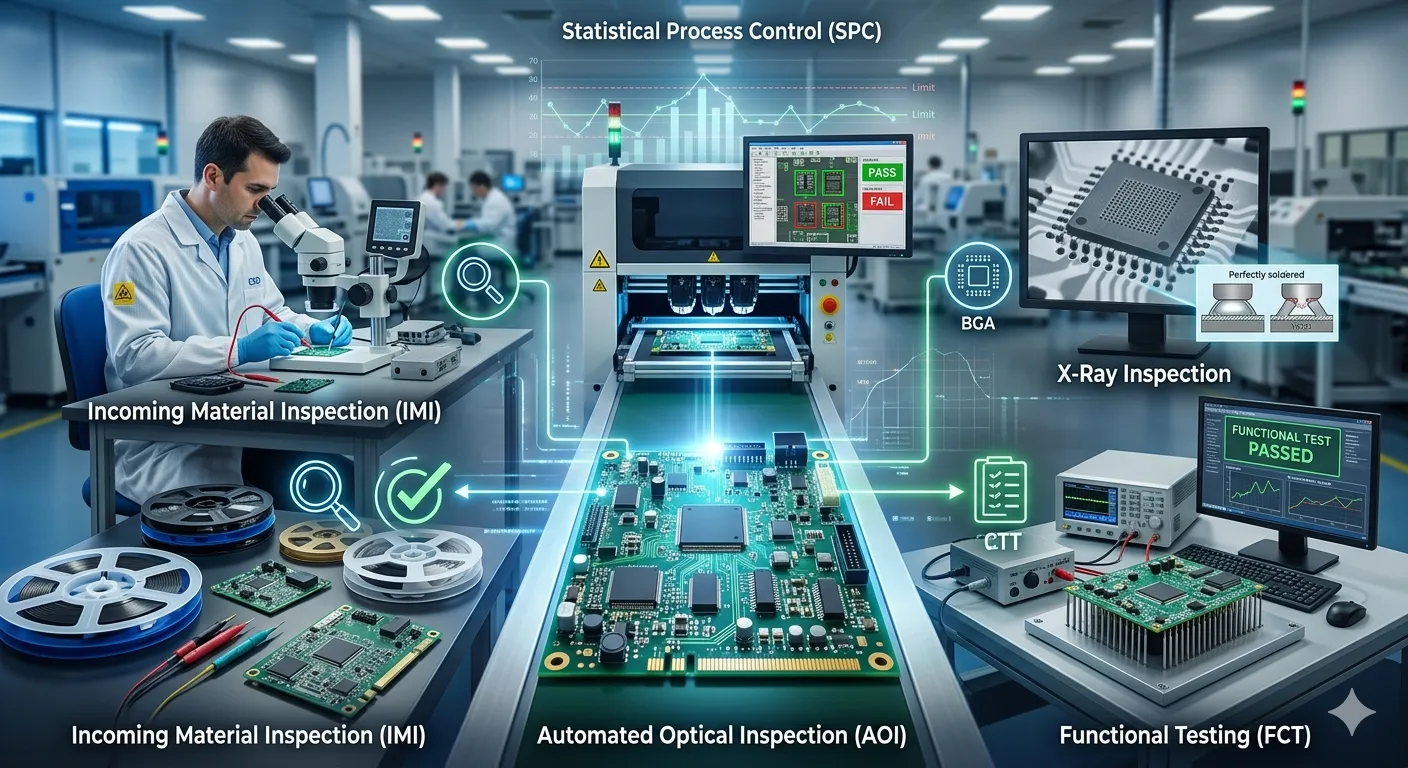
When it comes to mass production, reliability is the name of the game. An LED PCB that works for a week but fails a month later is a failure. This is why quality management systems like ISO 9001 are so prevalent in the industry. Manufacturers use rigorous testing procedures to ensure consistency. This includes checking the peel strength of the copper layer, measuring the thermal conductivity of the dielectric, and performing high-potential (Hi-Pot) testing to ensure there are no electrical shorts. These standards give peace of mind to manufacturers and consumers alike, ensuring that the light you buy will last for years, not days. The dedication to quality is what makes the modern lighting revolution possible.
The Environmental Aspect of LED PCB Design
We cannot ignore the role of these boards in sustainability. By enabling the widespread adoption of highly efficient LED lighting, these boards are directly responsible for a massive reduction in global energy consumption. However, the manufacturing of the boards themselves is also becoming more environmentally conscious. There is a push to move away from lead-based solders and toward more eco-friendly materials. Manufacturers are also looking for ways to reduce the waste generated during the board etching and drilling processes. The long lifespan of an LED PCB is its own kind of sustainability; by creating hardware that lasts for years, we reduce the need for constant replacement and electronic waste. It is a win for both the economy and the planet.
How to Select the Right Manufacturer
Choosing a manufacturer for your LED PCB project is a decision that should not be taken lightly. You need to look for a partner with proven experience in thermal management and metal-core fabrication. Do not just look at the lowest price per unit. Ask them about their technical capabilities. Do they have experience with the specific dielectric materials you are planning to use? Can they handle high-density layouts? Are they familiar with the latest industry standards for thermal testing? A good manufacturer will be a technical collaborator. They should be able to review your design and provide feedback on potential thermal bottlenecks before you go to production. Building this relationship early can save you from costly redesigns down the line.
Understanding the Cost Factors
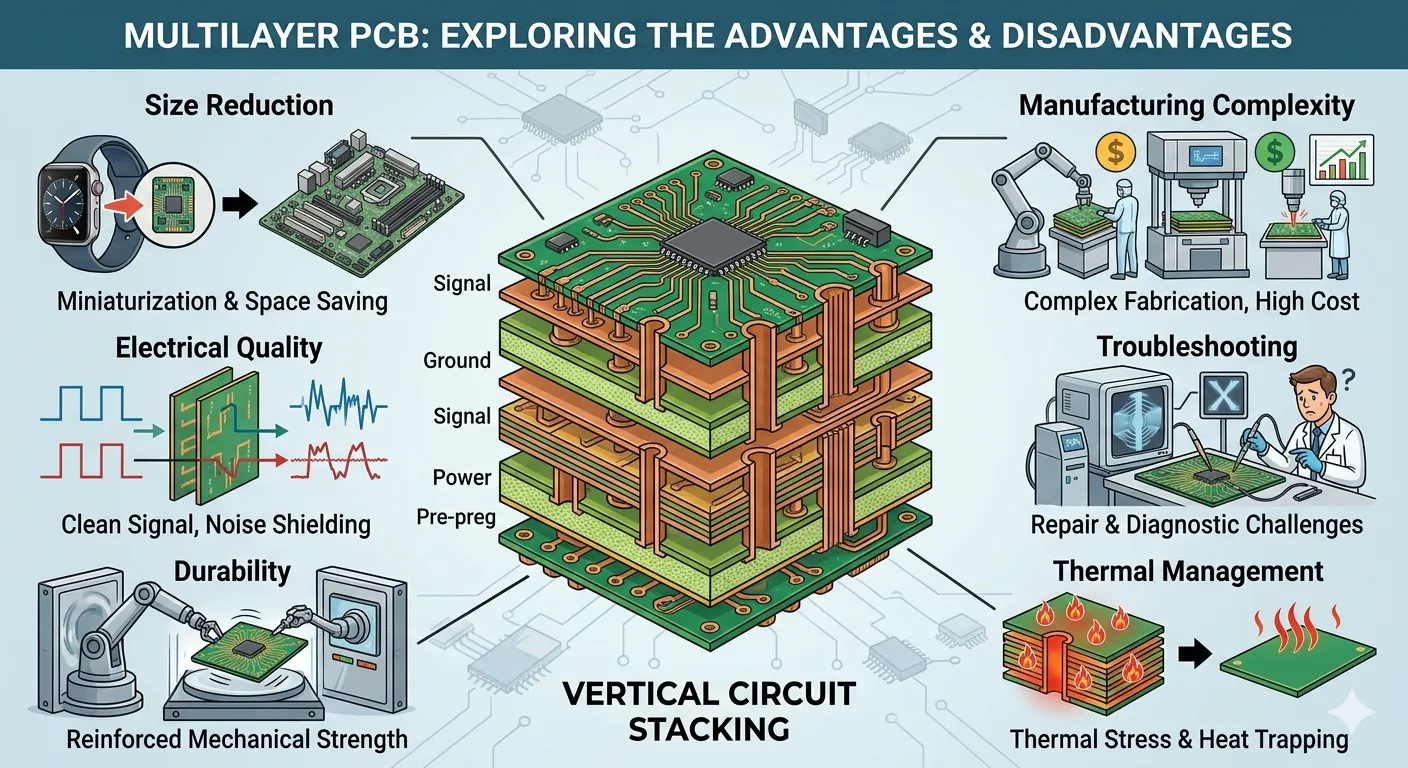
People often wonder why these boards are priced the way they are. The cost is driven by several factors. The material of the core is the biggest one. Aluminum is standard, but copper is much more expensive. The thickness of the copper layer also matters; thicker copper can handle more current and spread heat better, but it is also more costly to manufacture. The complexity of the stack-up—how many layers are in the board—also adds to the price. Finally, the surface finish—such as silver, gold, or immersion tin—can impact the longevity and solderability of the board. Understanding these cost drivers helps you make informed decisions when balancing your budget against your performance requirements.
Common Applications Across Modern Industries
The versatility of the LED PCB is truly astounding. We find them in the automotive industry, providing the high-intensity light for modern headlights and the clean look of daytime running lights. In the medical field, they power the precision lighting used in examination rooms and surgical suites. In the consumer electronics world, they are behind every backlit keyboard, television, and laptop screen. Even in agriculture, they are used in high-efficiency grow lights that mimic sunlight to optimize crop yields. It is hard to find a corner of the modern world that does not rely on this technology in some form. Every one of these applications requires a slightly different board design, yet they all rely on the same fundamental principles of thermal management and electrical efficiency.
The Future: A World of Smarter, Greener Light
As we look toward the future, the integration of technology with lighting will only accelerate. We will see boards that can dynamically adjust their thermal output, boards that are printed on even more sustainable materials, and boards that are designed to be fully recyclable at the end of their life. The role of the LED PCB will shift from being just a support structure to being a core component of intelligent building management systems. It is an exciting field that sits at the intersection of physics and utility, and it shows no signs of slowing down. We are only just beginning to scratch the surface of what is possible when we combine highly efficient light sources with intelligently designed electronics.
Conclusion: Lighting the Way Forward
The humble LED PCB might be invisible to most, but its impact on our daily lives is monumental. It has fundamentally changed how we light our homes, how we see the road at night, and how we interact with our technology. By mastering the art of heat dissipation, precision material selection, and rigorous manufacturing, we have created a platform for light that is more efficient and more reliable than anything that came before it. As we continue to refine these boards, we will see even more incredible advancements in the efficiency and functionality of our lighting systems. The world is getting brighter, more efficient, and more connected, and it is all thanks to these small, intelligent boards.
Call to Action: Start Your Next Lighting Project Today
Are you ready to take your next design from a concept to a high-performance reality? Whether you are designing a custom lighting fixture or a mass-produced consumer gadget, the foundation of your success is your choice of circuit board. Do not let thermal issues or design flaws stand in the way of your innovation. Reach out to a professional PCB manufacturer today to discuss your project requirements. Leverage the expertise of industry professionals to ensure your design is optimized for efficiency, reliability, and long-term performance. The power to create brilliant, long-lasting light is in your hands—take the next step and bring your vision to life.

























Sign in to leave a comment.