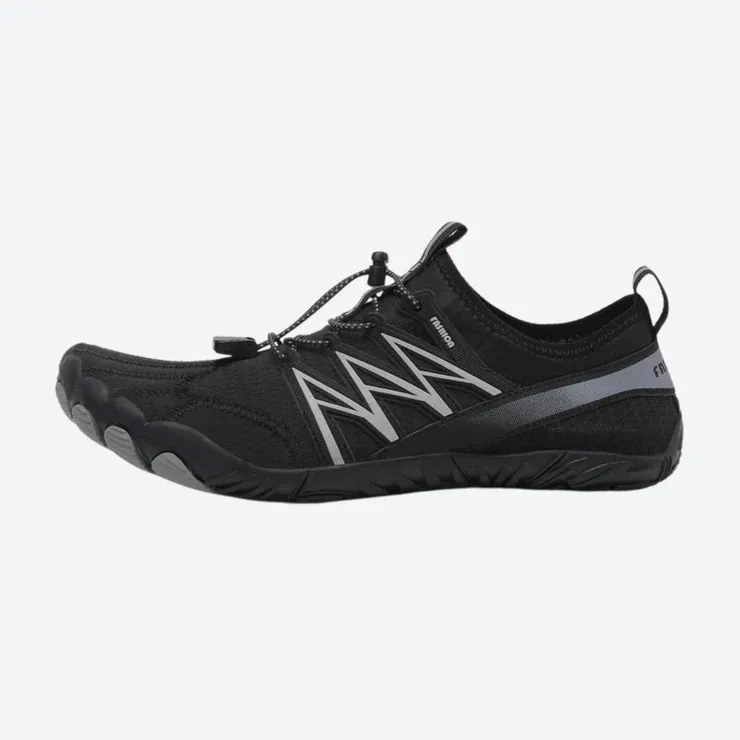

Barefoot footwear has become increasingly popular among people who want a more natural walking experience without sacrificing comfort. If you're considering bareEase barefoot shoes or searching for easy barefoot shoes women can wear every day, this FAQ guide answers the most common questions. From comfort and sizing to benefits and maintenance, here's everything you need to know before choosing your next pair.
1. What are BareEase barefoot shoes, and how do they support natural foot movement?
BareEase barefoot shoes are designed to let your feet move as naturally as possible. Unlike traditional shoes with thick soles and elevated heels, barefoot shoes feature a flat, flexible sole that encourages a more natural walking pattern.
The wide toe box allows your toes to spread comfortably, helping improve stability and balance. The lightweight construction also enables your feet to flex naturally while walking, which may strengthen foot muscles over time.
Whether you're walking around the neighborhood, commuting to work, or spending hours on your feet, BareEase barefoot shoes offer a minimalist feel without completely exposing your feet to the ground.
2. Are BareEase barefoot shoes suitable for everyday walking?
Yes. BareEase barefoot shoes are designed for everyday activities, making them a practical option for people who spend long hours walking or standing.
Their flexible sole allows your feet to move freely while still providing protection from rough surfaces. The breathable upper helps keep your feet cool, and the lightweight design reduces fatigue during daily wear.
If you're new to barefoot footwear, it's best to transition gradually. Start by wearing the shoes for 30 to 60 minutes a day and slowly increase the duration over several weeks. This allows your feet and lower leg muscles to adapt comfortably.
3. Who should wear BareEase barefoot shoes?
BareEase barefoot shoes are suitable for many people who want a more natural walking experience.
They are especially popular among:
- People who enjoy walking every day
- Individuals looking for lightweight casual shoes
- Travelers who need comfortable footwear
- Fitness enthusiasts who prefer minimalist shoes
- People with wide feet who need extra toe room
- Anyone interested in improving natural foot mobility
However, people with serious foot conditions, recent injuries, or medical concerns should consult a healthcare professional before switching to barefoot footwear.
4. Can BareEase barefoot shoes help improve balance and posture?
Many users report feeling more balanced while wearing barefoot shoes because the flat sole keeps the foot closer to the ground.
Traditional shoes often have elevated heels, which can slightly shift body alignment. Barefoot shoes encourage a more neutral standing position that may promote better posture over time.
The wider toe box also helps distribute body weight more evenly, allowing your feet to act as a stronger foundation while walking.
Although barefoot shoes are not medical devices, they can support healthy movement when introduced gradually and used appropriately.
5. Are BareEase barefoot shoes good for people with wide feet?
Yes. One of the biggest advantages of BareEase barefoot shoes is their roomy toe box.
Many conventional shoes squeeze the toes together, causing discomfort during extended wear. Barefoot shoes are designed differently, allowing your toes to spread naturally.
This extra space often makes BareEase barefoot shoes a comfortable choice for people with naturally wide feet or those who dislike restrictive footwear.
If your feet swell slightly during the day, the wider fit can also provide additional comfort without feeling tight.
6. What makes Easy Barefoot Shoes for Women different from regular sneakers?
Easy barefoot shoes women often choose differ from traditional athletic shoes in several important ways.
Instead of thick cushioning and raised heels, barefoot shoes typically feature:
- A zero-drop sole
- Lightweight materials
- Flexible construction
- Wide toe box
- Natural foot movement
- Better ground feel
Regular sneakers often focus on maximum cushioning and structured support, while barefoot shoes prioritize allowing the feet to function more naturally.
Women looking for a minimalist design that combines comfort with everyday style often appreciate this difference.
7. Are Easy Barefoot Shoes for Women comfortable for all-day wear?
Yes, once your feet have adjusted to barefoot footwear.
Many women wear barefoot shoes throughout the day for work, shopping, travel, and casual outings because of their lightweight feel and flexible design.
Comfort depends on several factors, including:
- Proper sizing
- Gradual transition
- Individual foot shape
- Daily activity level
If you're switching from heavily cushioned shoes, allow your feet time to adapt. Most people find that comfort improves as their foot muscles become stronger and more accustomed to natural movement.
8. Can Easy Barefoot Shoes for Women be used for travel and light hiking?
Absolutely.
Many travelers prefer barefoot shoes because they are lightweight, easy to pack, and comfortable for extended walking.
Easy barefoot shoes for women are suitable for activities such as:
- City sightseeing
- Airport travel
- Nature walks
- Light hiking trails
- Weekend getaways
- Daily commuting
For challenging mountain hikes or rough terrain, specialized hiking shoes may still be the better option. However, for light outdoor adventures, barefoot shoes perform very well.
9. How do I choose the right size for Easy Barefoot Shoes for Women?
Choosing the correct size is essential for comfort.
Start by measuring your feet while standing, preferably at the end of the day when your feet are slightly larger. Compare your measurements with the brand's sizing chart.
When trying on barefoot shoes:
- Make sure your toes can spread naturally.
- Leave a small amount of space in front of your longest toe.
- Avoid shoes that feel tight around the forefoot.
- Ensure the heel fits securely without slipping.
Because barefoot shoes are designed differently from traditional footwear, checking the size guide before ordering is always recommended.
10. How should I clean and maintain BareEase barefoot shoes for long-lasting use?
Proper care helps extend the life of your barefoot shoes.
Here are a few simple maintenance tips:
- Remove loose dirt with a soft brush.
- Wipe the upper with a damp cloth.
- Use mild soap if necessary.
- Air dry naturally away from direct heat.
- Avoid machine drying unless the manufacturer specifically recommends it.
- Store shoes in a cool, dry place.
Cleaning your shoes regularly not only keeps them looking fresh but also helps maintain the materials and overall comfort.






















Sign in to leave a comment.