
https://www.utmel.com/blog/categories/resistor/photoresistor-basics-types-principles-and-applications
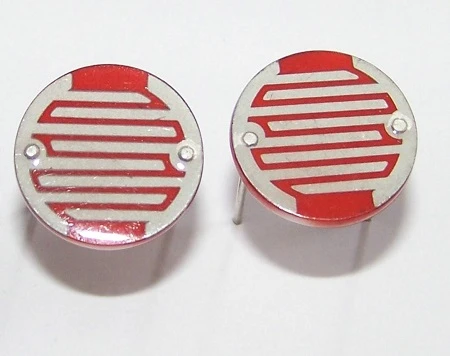
There are three types of photoresistor: ultraviolet photoresistors, infrared photoresistors, visible light photoresistors. Commonly used materials are cadmium sulfide, selenium, aluminum sulfide, lead sulfide, and bismuth sulfide. The working principle of the photoresistor is based on the internal photoelectric effect. Photosensitive resistors are formed by mounting electrode leads at both ends of the semiconductor photosensitive material and encapsulating them in a tube case with a transparent window. Dimming circuit and light switch are the two applications of the photoresistor.

























Sign in to leave a comment.