

Bathrooms tend to reflect how people actually live, not just how a home looks on the surface. They are private spaces, but also some of the hardest-working rooms in any house. In New Zealand homes, bathrooms often need to balance heritage charm, practical durability, and a growing appetite for thoughtful design.
Older villas, bungalows, and early twentieth-century homes bring their own challenges. Original layouts were compact, plumbing was minimal, and finishes were chosen for longevity rather than comfort. Renovating these spaces today is less about chasing trends and more about finding ways to respect the past while making the room genuinely usable.
A good starting point is understanding how the bathroom will be used day to day. A family bathroom has different needs from an ensuite or a guest space. Storage, lighting, and circulation often matter more than decorative features, yet they are frequently overlooked early in the process.
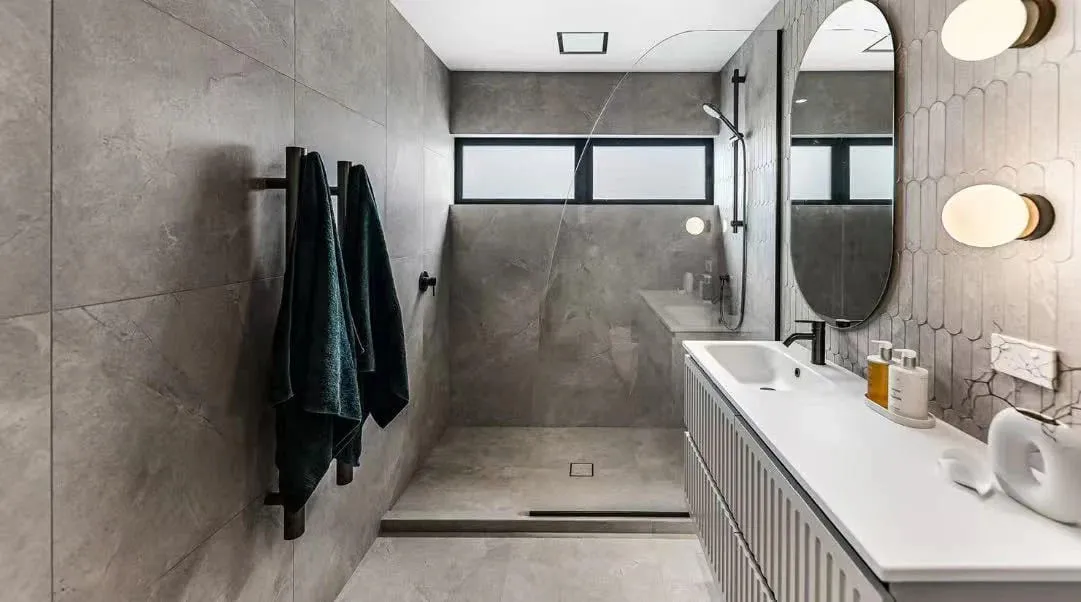
Material choice plays a quiet but critical role. Tiles, for example, do more than cover walls and floors. They influence how light moves through the room and how warm or cold the space feels. In New Zealand’s varied climate, surfaces that cope well with moisture and temperature shifts tend to age better over time.
Colour decisions deserve similar care. Lighter tones can make smaller bathrooms feel open without stripping them of personality. Deeper shades work best when balanced with natural light or warm textures, preventing the space from feeling enclosed. Subtle contrast often ages better than bold statements that feel dated after a few years.
Many homeowners look historical references for inspiration, especially when renovating period properties. Early twentieth-century bathrooms focused on symmetry, craftsmanship, and simple luxury. These influences still resonate today and can be reinterpreted through modern fittings and updated layouts. Exploring Bathroom Ideas NZ can help bridge that gap between heritage influence and contemporary expectations.
Lighting is another element that shapes how a bathroom feels more than people expect. Harsh overhead lights flatten the space, while layered lighting creates depth. Soft wall lights near mirrors reduce shadows and improve everyday functionality. Where possible, natural light should be treated as a design feature rather than an afterthought.
Storage solutions have evolved significantly. Recessed shelves, mirrored cabinets, and under-vanity drawers keep surfaces clear without sacrificing convenience. In smaller bathrooms, this can be the difference between a space that feels calm and one that constantly feels cluttered.
Ventilation also deserves attention early on. Moisture buildup shortens the life of finishes and affects air quality. Quiet, efficient ventilation systems are now widely available and can be integrated without disrupting the visual flow of the room.
What ties all of these elements together is restraint. Well-designed bathrooms rarely rely on a single standout feature. Instead, they feel cohesive because every decision supports the way the room is used. This approach is common across many enduring Bathroom Design Ideas, where function quietly shapes form.
Bathrooms that age well tend to prioritise comfort, clarity, and material honesty. They invite use without demanding attention. When renovation decisions are guided by how the space will feel years down the line, the result is a room that continues to make sense long after trends move on.
For readers looking to explore thoughtful bathroom design through a New Zealand lens, Home Magazine offers a wide range of real homes and practical inspiration grounded in lived experience rather than passing fashion.


























Sign in to leave a comment.