
Bees, wasps, and hornets play important roles in the environment, but when they build nests near homes or businesses, they can pose serious safety risks. Stings from these insects can be painful, and for individuals with allergies, they may even lead to life-threatening reactions. Professional Bees-Wasps & Hornets Control services help remove nests safely while minimizing risks to people, pets, and property.
Attempting to remove a nest without proper equipment or experience can be dangerous, especially when dealing with aggressive wasps or hornets. Trained pest control technicians use proven methods to identify the insect species, assess the level of infestation, and implement safe treatment strategies. In cases involving bees, professionals may also work with local beekeepers to relocate colonies whenever practical, helping protect valuable pollinators.
This guide explains the differences between bees, wasps, and hornets, the dangers they present, and why professional pest control is the safest solution.
Understanding Bees, Wasps, and Hornets
Although they are often grouped together, bees, wasps, and hornets have different behaviors and characteristics.
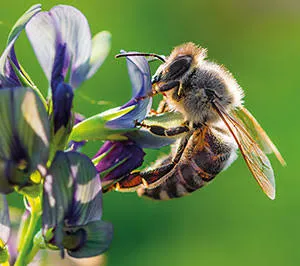
Bees are valuable pollinators that support agriculture and plant growth. They are generally non-aggressive and usually sting only when they feel threatened.
Wasps are more aggressive than bees and commonly build paper-like nests around roofs, fences, sheds, decks, and wall cavities. They can sting multiple times and may become defensive if their nest is disturbed.
Hornets are a larger type of wasp known for building large aerial nests. They aggressively protect their colonies and can deliver painful stings.
Understanding these differences helps determine the most appropriate control method.
Why Bees, Wasps & Hornets Become a Problem
These insects often seek sheltered locations close to food and water sources.
Common nesting locations include:
- Roof eaves
- Attics
- Garages
- Trees
- Shrubs
- Decks
- Sheds
- Wall voids
- Playgrounds
- Outdoor furniture
When nests are built near frequently used areas, the risk of accidental encounters increases significantly.
Dangers of Infestations
Ignoring an active nest can create several safety concerns.
Potential risks include:
- Painful stings
- Multiple insect attacks
- Allergic reactions
- Swelling and irritation
- Danger to children and pets
- Interrupted outdoor activities
- Structural damage from nesting
For individuals with severe insect sting allergies, immediate medical attention may be required after a sting.
Signs You Need Bees-Wasps & Hornets Control
Recognizing an infestation early makes treatment easier and safer.
Common warning signs include:
- Frequent insect activity around your property
- Visible nests under rooflines
- Buzzing sounds inside walls
- Large numbers of insects near garbage bins
- Increased insect activity around flowers or outdoor eating areas
- Nests in trees, sheds, or fences
If you notice these signs, contacting a professional pest control company is recommended.
Why Professional Control Is Important
Attempting DIY nest removal can be extremely dangerous.
Professional Bees-Wasps & Hornets Control technicians have specialized equipment, protective clothing, and the experience needed to remove nests safely. They also understand insect behavior and know how to minimize the risk of aggressive swarming during treatment.
Professional services reduce the chance of injury while ensuring the infestation is addressed effectively.
Safe Bee Removal
Bees provide essential pollination services and are important for maintaining healthy ecosystems.
Whenever possible, professional pest control providers may recommend relocating bee colonies instead of exterminating them. This approach helps protect beneficial pollinators while safely removing the colony from areas where it may threaten people or pets.
Relocation should only be performed by qualified professionals or licensed beekeepers.
Wasp Nest Removal
Wasps are generally more aggressive than bees and often defend their nests when disturbed.
Professional technicians identify the nest location, determine the wasp species, and apply appropriate treatment methods before removing the nest.
Removing the entire nest helps reduce the likelihood of future activity in the same area.
Hornet Nest Removal
Hornets are among the most defensive stinging insects.
Their nests can grow quite large during warmer months and may contain hundreds of insects. Professional removal requires careful planning, protective equipment, and specialized treatment techniques to ensure the nest is eliminated safely.
Attempting to remove a hornet nest without proper training is highly discouraged.
Preventing Future Infestations
After treatment, preventive measures help reduce the likelihood of future nesting.
Helpful prevention strategies include:
- Seal gaps around your home.
- Repair damaged siding.
- Cover outdoor garbage containers.
- Remove food sources promptly.
- Trim overgrown trees and shrubs.
- Inspect rooflines regularly.
- Repair damaged screens.
- Eliminate standing water where possible.
Regular property maintenance discourages insects from establishing new colonies.
Benefits of Professional Pest Control
Hiring experienced pest control specialists provides several advantages.
These include:
- Accurate insect identification
- Safe nest removal
- Protective safety equipment
- Reduced sting risk
- Long-term prevention advice
- Professional inspection
- Customized treatment plans
- Peace of mind
Professional service ensures the problem is handled efficiently while protecting your family and property.
Choosing the Right Pest Control Company
When selecting a Bees-Wasps & Hornets Control provider, consider:
- Licensed technicians
- Experience with stinging insects
- Positive customer reviews
- Safe treatment methods
- Emergency service availability
- Comprehensive inspections
- Preventive recommendations
- Transparent pricing
A reputable company will explain the treatment process and answer any questions before beginning work.
Why Early Treatment Matters
Small nests can quickly grow into large colonies as the season progresses.
Early treatment helps:
- Reduce infestation size
- Lower safety risks
- Prevent aggressive swarming
- Minimize property disruption
- Protect outdoor living spaces
Addressing the issue promptly often makes removal simpler and more effective.
Conclusion
Professional Bees-Wasps & Hornets Control is the safest and most effective way to manage stinging insect infestations around homes and businesses. Whether you're dealing with a bee colony, a wasp nest, or an aggressive hornet infestation, trained technicians have the expertise, equipment, and experience to remove nests safely while protecting your property.
By combining professional treatment with preventive maintenance, homeowners can enjoy safer outdoor spaces and reduce the risk of future infestations. If you notice increased insect activity or discover a nest near your property, contacting a trusted pest control professional is the best way to ensure a safe and lasting solution.



























Sign in to leave a comment.