
As energy prices continue to rise across Australia, more homeowners are turning to solar power as a smart and sustainable investment. If you are considering solar for your home, understanding the installation process can help you make informed decisions and maximise long-term savings.
Why More Melbourne Homeowners Are Choosing Solar Panels
Melbourne’s climate may be known for “four seasons in one day,” but the city still receives enough sunlight throughout the year to make solar energy highly effective. Modern solar technology works efficiently even during cloudy conditions, making solar panels in Melbourne a practical solution for reducing electricity costs and lowering carbon emissions.
Installing solar panels can help homeowners:
- Reduce monthly electricity bills
- Increase property value
- Lower dependence on the grid
- Access government rebates and incentives
- Reduce environmental impact
With rising awareness of renewable energy and attractive rebate programs available in Victoria, now is an excellent time to invest in solar energy.
How Solar Panels Work
Solar panels convert sunlight into electricity using photovoltaic (PV) cells. When sunlight hits the panels, it creates direct current (DC) electricity. An inverter then converts this DC electricity into alternating current (AC), which powers your home appliances.
A standard residential solar system includes:
- Solar panels
- Solar inverter
- Mounting system
- Electrical wiring
- Monitoring system
Some households also choose to install solar batteries to store excess energy for use at night or during power outages.
Is Your Melbourne Home Suitable for Solar?
Before installing solar panels in Melbourne, it is important to assess whether your property is suitable.
Roof Orientation and Angle
North-facing roofs typically generate the highest energy output in Australia. However, east- and west-facing roofs can still produce excellent results. The ideal roof angle is generally between 20 and 30 degrees.
Roof Condition
If your roof requires repairs or replacement, it is best to complete this work before solar installation. Solar panels can last 25 years or more, so a strong roof foundation is essential.
Shade Levels
Trees, neighbouring buildings, and chimneys can affect solar efficiency. Minimal shading during peak sunlight hours will improve system performance.
Available Roof Space
The amount of roof space available determines the size of the solar system you can install. Larger systems generate more electricity and provide greater savings.
Choosing the Right Solar System Size
The ideal solar system size depends on your household energy usage and budget.
Here is a general guide:
| Household Size | Recommended Solar System |
|---|---|
| 1–2 people | 3kW–5kW |
| 3–4 people | 5kW–6.6kW |
| Large households | 8kW–10kW+ |
A professional solar installer can analyse your electricity bills and recommend the most suitable system size for your needs.
Understanding Solar Rebates in Victoria
One of the biggest advantages of installing solar panels in Melbourne is access to government incentives.
The Victorian Government offers solar rebates for eligible homeowners through programs designed to encourage renewable energy adoption. These rebates can significantly reduce upfront installation costs.
Homeowners may also benefit from:
- Interest-free solar loans
- Feed-in tariffs for exporting excess electricity
- Federal Small-scale Technology Certificates (STCs)
Because rebate programs and eligibility criteria can change, it is important to work with an experienced solar provider who stays updated with current policies.
Step-by-Step Solar Installation Process
Understanding the installation process can make the transition to solar smoother and less stressful.
1. Initial Consultation and Site Assessment
A solar installer will inspect your property and evaluate:
- Roof size and structure
- Sunlight exposure
- Energy usage patterns
- Electrical system compatibility
They will then provide a customised solar solution and quote.
2. System Design and Approval
Once you accept the quote, the installer designs the solar system layout for maximum efficiency. Necessary approvals from energy distributors and local authorities may also be arranged.
3. Installation Day
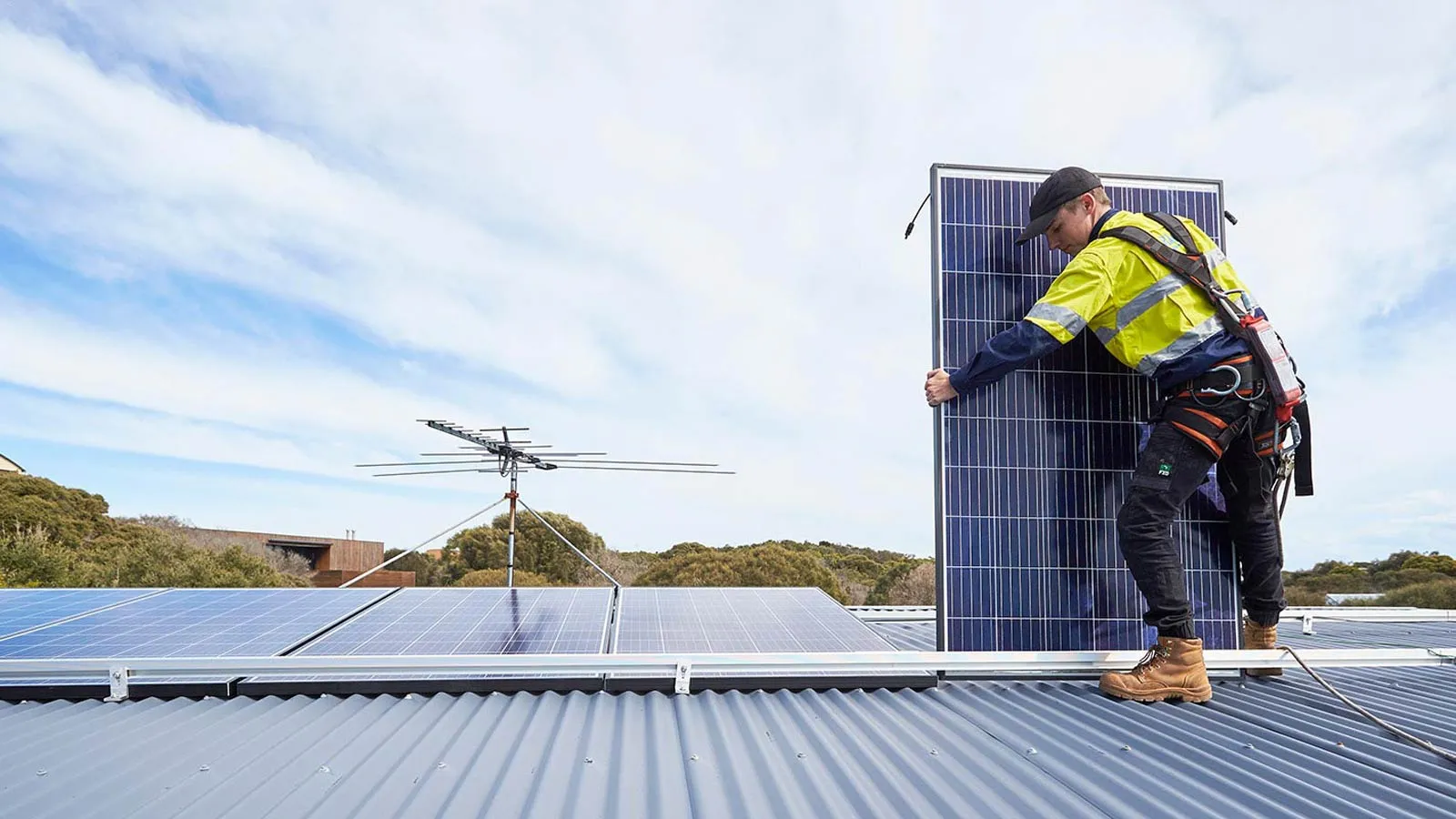
The actual installation process usually takes one to two days, depending on the system size.
Installers will:
- Mount the solar panels
- Install the inverter
- Connect wiring and safety components
- Integrate the system with your switchboard
Professional installers ensure the system complies with Australian safety standards.
4. Inspection and Grid Connection
After installation, the system may require inspection and approval before being connected to the electricity grid.
Your electricity retailer will then install or reconfigure your smart meter so excess solar energy can be exported.
5. System Activation
Once approved, your solar system is activated and begins generating electricity for your home.
How Much Do Solar Panels Cost in Melbourne?
The cost of solar panels in Melbourne varies depending on system size, panel quality, inverter brand, and installation complexity.
Average price estimates after rebates include:
- 3kW system: $3,000–$5,000
- 5kW system: $4,500–$7,000
- 6.6kW system: $5,000–$9,000
- 10kW system: $8,000–$14,000
While cheaper systems may seem attractive, quality components and professional installation are essential for long-term reliability and efficiency.
What to Look for in a Solar Installer
Choosing the right installer is one of the most important parts of your solar journey.
Look for companies that offer:
- Clean Energy Council (CEC) accreditation
- Positive customer reviews
- Transparent pricing
- High-quality solar brands
- Comprehensive warranties
- Strong after-sales support
Avoid companies that pressure you into signing contracts quickly or promise unrealistic savings.
Benefits of Adding a Solar Battery
Solar batteries are becoming increasingly popular among Melbourne homeowners. Batteries store unused solar energy generated during the day so it can be used at night.
Benefits include:
- Greater energy independence
- Reduced reliance on the grid
- Backup power during outages
- Higher long-term savings
Although batteries increase upfront costs, prices are gradually becoming more affordable.
Maintaining Your Solar Panels
Solar panels generally require minimal maintenance, but regular care helps maintain performance.
Cleaning
Rain naturally cleans panels to some extent, but occasional cleaning may be necessary to remove dirt, bird droppings, and debris.
Monitoring Performance
Most modern systems include apps or monitoring tools that allow homeowners to track energy production and identify issues quickly.
Professional Inspections
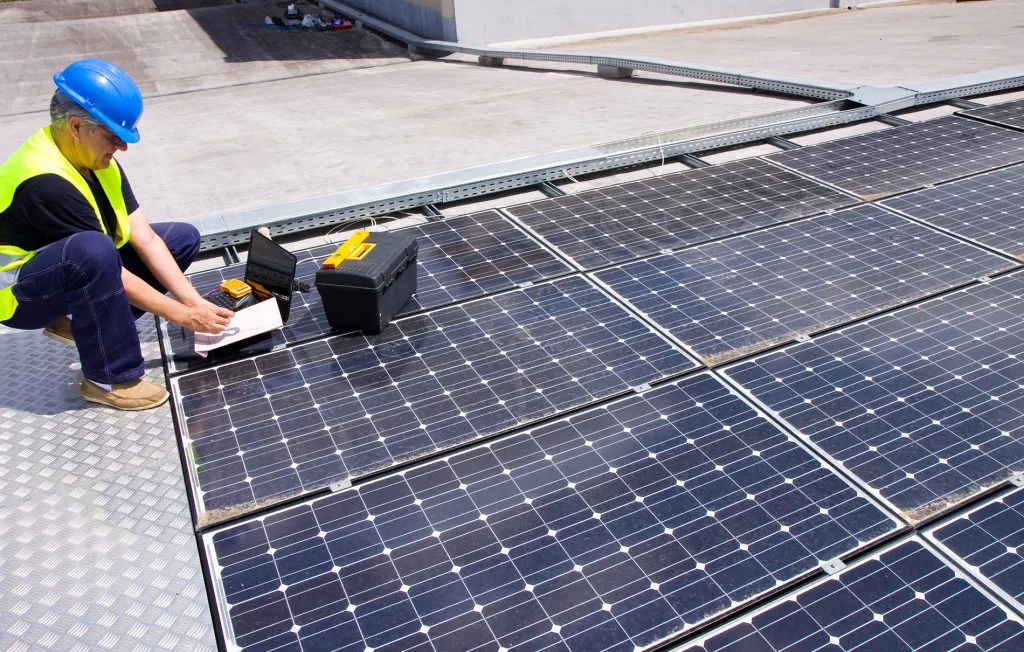
Scheduling periodic inspections ensures your system continues operating safely and efficiently.
Common Mistakes to Avoid
Many first-time buyers make avoidable mistakes when installing solar panels in Melbourne.
Choosing the Cheapest Option
Low-cost systems may use inferior components that reduce performance and lifespan.
Ignoring Energy Usage Patterns
Understanding when your household uses electricity can help optimise solar savings.
Overlooking Warranty Terms
Always check product warranties and workmanship guarantees before signing a contract.
Not Comparing Quotes
Obtaining multiple quotes helps ensure you receive fair pricing and quality service.
Future Trends in Solar Energy
Solar technology continues to improve rapidly. Melbourne homeowners can expect to see advancements such as:
- More efficient solar panels
- Smarter home energy management systems
- Better battery storage technology
- Virtual power plants
- Increased integration with electric vehicles
As renewable energy adoption grows, solar power will continue to become more accessible and cost-effective.
Final Thoughts
Installing solar panels in Melbourne is a practical investment that offers financial savings, environmental benefits, and greater energy independence. By understanding the installation process, system options, rebates, and maintenance requirements, beginners can confidently make informed decisions.
Whether you want to lower your electricity bills or reduce your carbon footprint, solar energy is an excellent long-term solution for Melbourne homes. Working with a trusted solar installer and choosing quality equipment will help ensure your solar system delivers reliable performance for many years to come.

























Sign in to leave a comment.