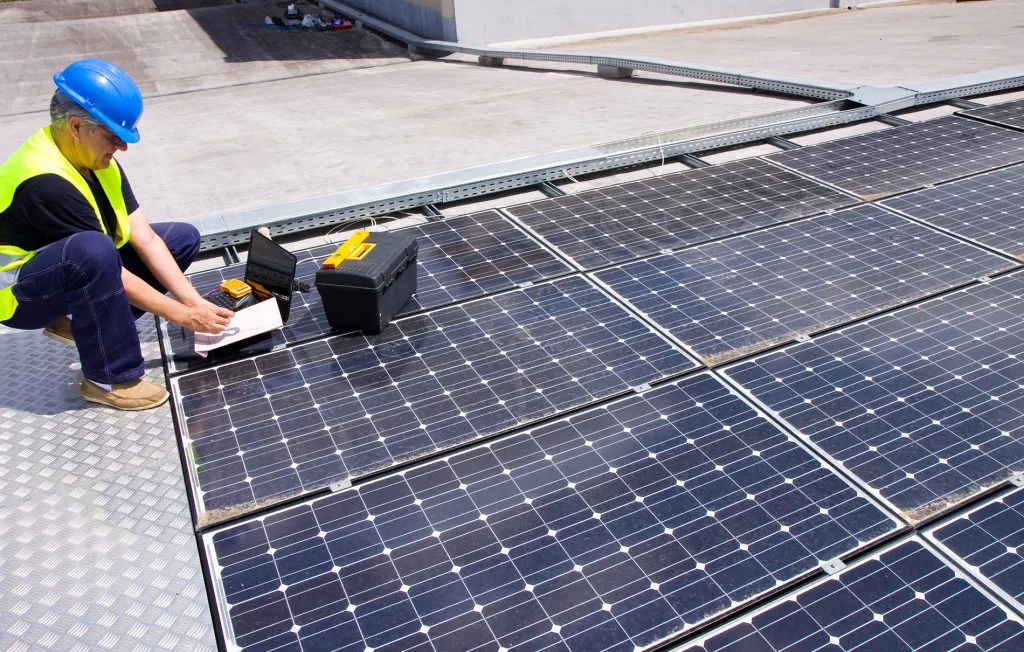

Rising electricity prices and increasing demand for sustainable operations are pushing businesses to rethink how they manage energy. One of the most effective long-term strategies is investing in commercial solar systems. Beyond environmental benefits, solar energy can significantly reduce operational expenses, improve energy independence, and deliver strong financial returns over time.
Understanding Commercial Solar Systems
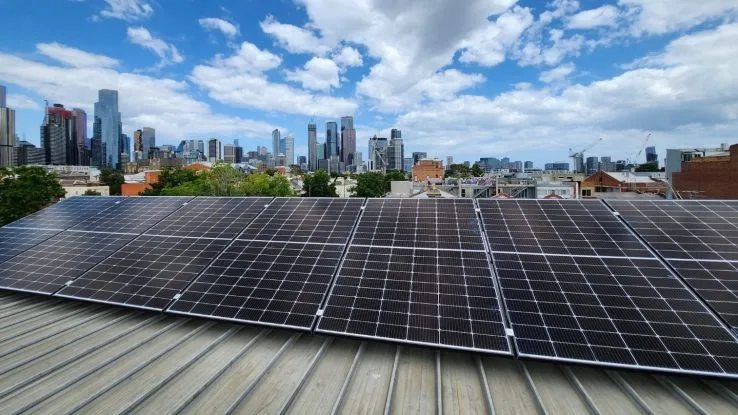
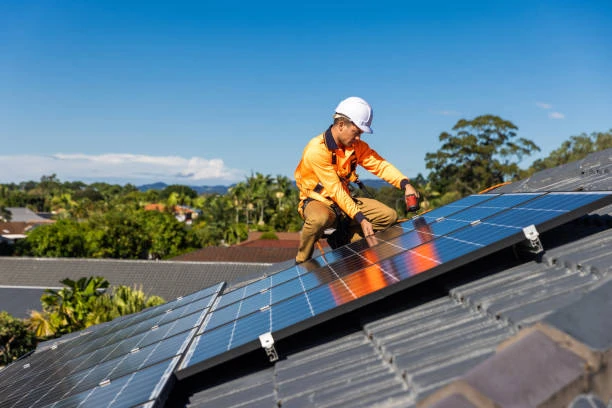
Commercial solar systems are large-scale photovoltaic (PV) installations designed to power businesses, warehouses, factories, offices, and industrial facilities. Unlike residential setups, these systems are engineered to meet higher energy demands and often include:
- Rooftop solar panels
- Ground-mounted solar arrays
- Inverters and energy conversion systems
- Battery storage (optional but increasingly common)
- Monitoring and energy management systems
These components work together to convert sunlight into usable electricity, reducing reliance on grid power.
1. Immediate Reduction in Electricity Bills
One of the most direct benefits of commercial solar systems is the immediate reduction in electricity costs.
When a business installs solar panels, it begins generating its own electricity during daylight hours. This reduces the amount of power drawn from the grid, which is typically the most expensive source of electricity.
For many businesses, especially those operating during the day, solar can offset a significant portion of energy usage—sometimes between 30% and 70% depending on system size and consumption patterns.
This translates into:
- Lower monthly utility bills
- Reduced exposure to peak pricing tariffs
- Improved cash flow stability
Over time, these savings accumulate into substantial financial relief.
2. Protection Against Rising Energy Prices
Electricity prices are rarely stable. Over the past decade, commercial energy rates have steadily increased due to:
- Infrastructure costs
- Peak demand pressures
- Fuel price fluctuations
- Regulatory changes
A commercial solar system acts as a hedge against these rising costs.
Once installed, solar energy essentially locks in a portion of your electricity supply at a fixed cost (the cost of installation and maintenance), while reducing dependence on unpredictable grid pricing.
This long-term price stability is one of the most valuable financial advantages for businesses planning multi-year budgets.
3. Faster Return on Investment (ROI)
While the upfront cost of commercial solar systems can be significant, the return on investment is often faster than many other infrastructure upgrades.
Typical payback periods range from 3 to 7 years, depending on:
- System size
- Energy consumption patterns
- Government incentives or rebates
- Local electricity rates
After the payback period, the electricity generated is essentially free (minus minimal maintenance costs). Considering solar panels can last 25+ years, businesses enjoy decades of net savings.
This long operational lifespan makes solar one of the most cost-effective energy investments available.
4. Government Incentives and Tax Benefits
In many regions, including Australia, governments actively encourage solar adoption through financial incentives. These can significantly reduce the initial investment and improve long-term savings.
Common incentives include:
- Small-scale Technology Certificates (STCs)
- Large-scale Generation Certificates (LGCs)
- Accelerated depreciation benefits
- Tax offsets or rebates for renewable energy investments
These incentives lower upfront costs and shorten the payback period, making solar systems more accessible to businesses of all sizes.
5. Reduced Peak Demand Charges
Many commercial electricity bills include demand charges, which are based on the highest level of power usage during peak periods.
Solar energy helps reduce these spikes by supplying electricity during high-demand daytime hours when solar production is at its peak.
When paired with energy management systems or battery storage, businesses can further smooth out consumption patterns, avoiding expensive peak demand charges.
This is particularly beneficial for industries with fluctuating energy usage such as manufacturing, logistics, and food processing.
6. Lower Maintenance Costs Compared to Traditional Energy Systems
Commercial solar systems are relatively low-maintenance compared to other energy infrastructure.
Once installed, they require:
- Occasional cleaning
- Routine inspections
- Performance monitoring
There are no moving parts in the panels themselves, which reduces the risk of mechanical failure. Most systems also come with warranties of 20–25 years, ensuring long-term reliability.
Compared to traditional energy sources that involve ongoing fuel costs and complex infrastructure maintenance, solar offers a simpler and more predictable cost structure.
7. Increased Energy Independence
Energy independence is becoming a strategic priority for many businesses.
By generating their own electricity, companies reduce reliance on external energy providers and grid stability. This independence provides:
- Protection against power outages (especially with battery storage)
- Greater control over energy usage
- Reduced vulnerability to market volatility
For businesses in remote or high-energy-cost areas, this independence can lead to significant long-term operational savings.
8. Improved Sustainability and Brand Value
While not a direct financial saving, sustainability plays a major role in long-term profitability.
Businesses that adopt solar energy often benefit from:
- Enhanced brand reputation
- Stronger customer trust
- Improved ESG (Environmental, Social, Governance) performance
- Better positioning for government or corporate contracts
Many large organisations now prioritise suppliers with strong environmental credentials, meaning solar adoption can indirectly lead to increased revenue opportunities.
9. Scalability for Future Growth
Commercial solar systems are highly scalable, making them suitable for growing businesses.
As energy needs increase, additional panels or expanded systems can be installed without replacing the existing setup. This flexibility ensures that energy costs remain controlled even as operations expand.
Scalability also helps businesses avoid the financial shock of upgrading to more expensive grid electricity as demand grows.
10. Battery Storage Enhances Savings Further
When paired with battery storage systems, commercial solar becomes even more efficient.
Battery storage allows businesses to:
- Store excess solar energy generated during the day
- Use stored energy at night or during peak pricing periods
- Reduce reliance on the grid even further
Although batteries add to initial costs, they significantly increase long-term savings by optimising energy usage and reducing peak electricity purchases.
Conclusion
Commercial solar systems are no longer just an environmental choice—they are a strategic financial investment. By reducing electricity bills, protecting against rising energy prices, lowering demand charges, and offering long-term ROI, solar power delivers consistent and predictable cost savings.
For businesses looking to improve operational efficiency and future-proof their energy strategy, commercial solar represents one of the most effective long-term solutions available today.
As energy costs continue to rise, the question is no longer whether solar makes sense—but how quickly a business can implement it to start saving.



























Sign in to leave a comment.