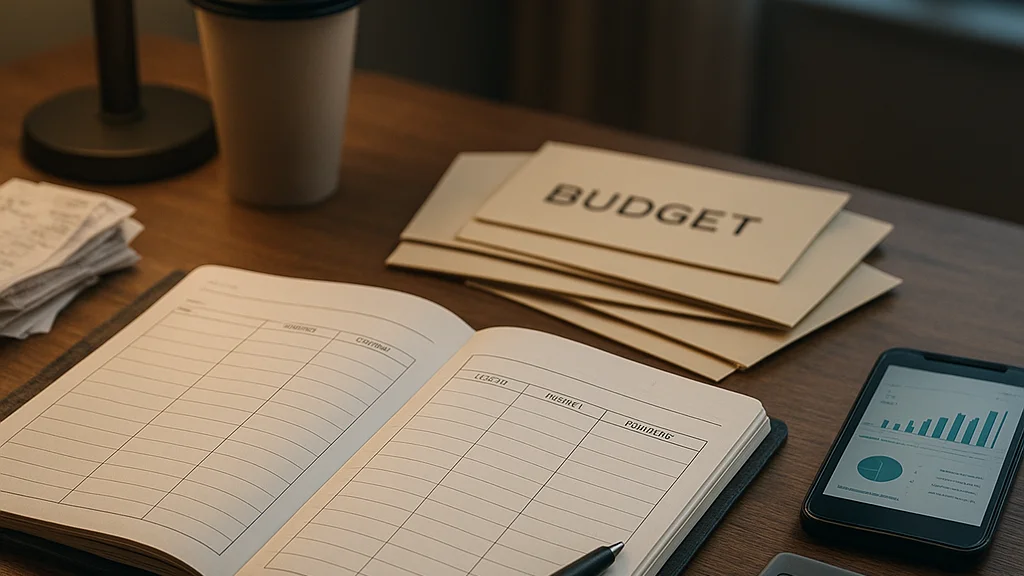

Why does budgeting feel so hard when the math looks so simple?
You get paid. Bills hit. A few coffees, one late-night delivery, a streaming charge you forgot about, maybe concert tickets because life is SHORT! Then your balance looks weirdly smaller than it should. That is the beginner budgeting experience in one sentence. The problem usually is not arithmetic. It is behavior, timing, and friction. Money leaves in tiny bursts, but panic arrives all at once.
That gap between what people think they spend and what they actually spend is where most budgets die. According to the U.S. Bureau of Labor Statistics Consumer Expenditure Survey, housing, transportation, food, personal insurance, and healthcare continue to dominate household spending patterns. Even if your own numbers differ, the big lesson is brutal and useful: most budgets fail because people obsess over cutting snacks while ignoring the heavyweight categories that truly shape cash flow.
Social media makes this worse. TikTok clips can make budgeting look like a perfectly aesthetic Sunday ritual with pastel spreadsheets and iced matcha. Real life is messier. Rent rises before your salary does. Groceries swing week to week. One month includes a birthday dinner, the next a dentist bill. A beginner needs a system that survives chaos, not one that only works during a calm month.
That is why the best starting point is not a punishing budget. It is a clear spending map. Before you optimize, you need visibility. Before you cut, you need categories. Before you feel guilty, you need evidence. If you want a broader foundation, WriteUpCafe also has a useful companion read in Beginners Guide to Budgeting Tips: Build Financial Confidence, which reinforces the same central truth: confidence comes after clarity, not before it.
A good beginner budget is not a moral test. It is a decision-making tool that shows where your money is going before the month gets away from you.
Start there and budgeting stops feeling like punishment. It starts feeling like control. BIG difference!
First principle: track reality before you try to fix it
Most beginners want the perfect method immediately. Zero-based! 50/30/20! Cash envelopes! No-spend challenge! Slow down. The first move is simpler: track 30 to 60 days of real spending. Not your ideal self. Not your “I barely spend on takeout” self. The actual version of you who taps a card at the supermarket and forgets the annual app renewal until it lands.
Yahoo Finance’s Grad budgeting 101: Tips to track spending emphasizes this exact issue: if you do not know your spending patterns, your budget is just a guess with nice formatting. That matters because a guessed budget tends to be too strict in the wrong places and too generous in the categories that quietly explode.
Tracking does not require a fancy app. A notes app, bank export, spreadsheet, or even a weekly calendar check-in can work. What matters is consistency and category accuracy. Group transactions into a short list you can actually manage:
- Fixed essentials: rent, mortgage, utilities, insurance, minimum debt payments
- Flexible essentials: groceries, gas, transit, pharmacy items
- Financial goals: emergency fund, extra debt payoff, retirement, sinking funds
- Lifestyle spending: eating out, subscriptions, shopping, travel, entertainment
Here is where beginners often get tripped up: they look only at totals, not timing. A person earning enough on paper can still run short because major bills cluster at the start of the month while income lands later. Cash flow timing is not glamorous, but it is EVERYTHING. If your car insurance and rent hit within 72 hours of payday, your budget should reflect that pressure directly.
Another overlooked move is to separate one-off costs from recurring costs. Annual subscriptions, holiday gifts, school supplies, pet care, and home repairs are not “surprises.” They are irregular expenses. If they happen every year or every few months, they belong in the plan. This is why many practical guides, including Practical Budgeting Tips for Beginners to Master Personal Finance, push readers toward sinking funds early. That advice is boring. It is also elite.
If an expense is predictable, it should not be treated like an emergency. Build for it before it arrives.
Track first. Diagnose second. Fix third. Reverse that order and you will end up budgeting against fantasy.
Pick a method that matches your life, not internet hype
There is no universally superior budgeting system. There are only systems that fit your income pattern, personality, and obligations better than others. This is where a lot of beginner advice goes off the rails. People get sold a method as if it were a football formation guaranteed to win every match. It is not. It is a framework. If it does not fit your reality, it will break.
The widely cited 50/30/20 approach remains popular because it is simple: roughly 50% for needs, 30% for wants, 20% for savings and debt goals. MSN’s How to Create a Budget: 4 Simple Steps + Best Budgeting Methods outlines this and other common structures. For beginners, the strength of 50/30/20 is speed. You can understand it in minutes. The weakness is that in many cities, especially where rent is savage, “needs” can easily blow past 50%.
That does not mean the method is useless. It means you should treat it as a benchmark, not a law. If your needs are 65%, the budget is telling you something important about your current cost structure. Maybe you need a roommate, a cheaper car situation, a higher income target, or tighter discretionary spending for a season. The numbers are information, not a verdict.
Other methods can work better depending on your situation:
- Zero-based budgeting: every euro or dollar gets a job. Best for detail-oriented people and irregular spenders.
- Pay-yourself-first budgeting: automate savings first, then spend the rest. Best for people who hate micromanaging categories.
- Cash envelope or category cap systems: strong for overspending triggers like dining out or shopping.
- Weekly budgeting: ideal for freelancers, shift workers, and anyone whose income or expenses swing.
If you are paid irregularly, monthly budgeting can be a trap. A weekly or paycheck-based system often works better because it mirrors how money actually arrives. Freelancers, creators, delivery drivers, and side hustlers need this especially. One strong month can create false confidence; one weak month can create panic. A rolling budget smooths both.
Also, do not mistake complexity for seriousness. Some people need six tabs and color-coded formulas. Others need one page and 20 minutes each Friday. The “best” system is the one you will still use three months from now, after a stressful week, when your motivation is dead and your phone is trying to tempt you with food delivery offers at 11:47 p.m.!
Bad budgeting advice is everywhere, and beginners pay the price
Now for the part that deserves more attention: some classic budgeting tips are flat-out unhelpful. Not evil. Not always wrong. Just badly generalized. That matters because beginners often quit budgeting not because they lack discipline, but because they followed rigid advice that did not fit their life.
Nasdaq’s I’m a Financial Expert: 5 Common Budgeting Tips You Shouldn’t Follow and Business Insider’s analysis of classic budgeting advice that is not as smart as it seems both make a crucial point: oversimplified rules can backfire. Telling everyone to cut all “fun money,” for example, sounds disciplined but often produces rebound spending. People white-knuckle through two weeks, then blow the budget in one weekend. Seen it a thousand times.
Another weak tip is “just stop buying coffee.” That line survives because it is catchy, not because it addresses the real budget drivers for most households. If your housing cost eats 40% to 50% of take-home pay, shaving a few café visits will not solve structural strain. Small leaks matter, yes, but giant fixed costs matter more.
Three pieces of advice beginners should question hard:
- “You need to track every cent forever.” Useful at the beginning, exhausting as a permanent rule for many people.
- “A strict budget means no treats.” Usually false. Sustainable budgets include controlled enjoyment.
- “One method works for everyone.” Absolutely not. Income volatility, debt load, family size, and local cost of living change everything.
There is also a psychological mistake hidden in harsh budgeting culture: it turns spending into shame. Shame is terrible at building long-term systems. Awareness works better. Friction works better. Automation works better. If you overspend on food delivery, do not just scold yourself. Ask what system failure made that likely. Were groceries underplanned? Were workdays too chaotic? Did you set an unrealistically low dining budget?
The strongest beginner budgets are not built on self-judgment. They are built on pattern recognition. Once you see the pattern, you can design around it. That is finance with brains, not finance with vibes.
The numbers that matter most: fixed costs, savings rate, and margin
If you only remember three metrics from this entire guide, make them these: fixed-cost ratio, savings rate, and monthly margin. They reveal more about your financial stability than random category guilt ever will.
Fixed-cost ratio is the share of take-home pay consumed by recurring essentials such as rent, utilities, insurance, minimum debt payments, phone, and transportation commitments. When this ratio gets too high, your budget becomes fragile. A rent increase, reduced hours, or medical bill can wreck the month fast. Many financial planners argue that flexibility begins with lowering fixed obligations where possible because every future month benefits, not just this one.
Savings rate is how much of your income goes toward emergency savings, retirement, or other long-term goals. Beginners do not need to start huge. They need to start consistently. Even a small automated transfer can create momentum and reduce the feeling that saving is something you will do “later” when life calms down. Life rarely calms down on schedule!
Monthly margin is what remains after essentials, planned lifestyle spending, and goal contributions. Margin is your breathing room. It absorbs inflation, broken appliances, travel, gifts, and mistakes. A budget with zero margin is technically balanced and practically dangerous.
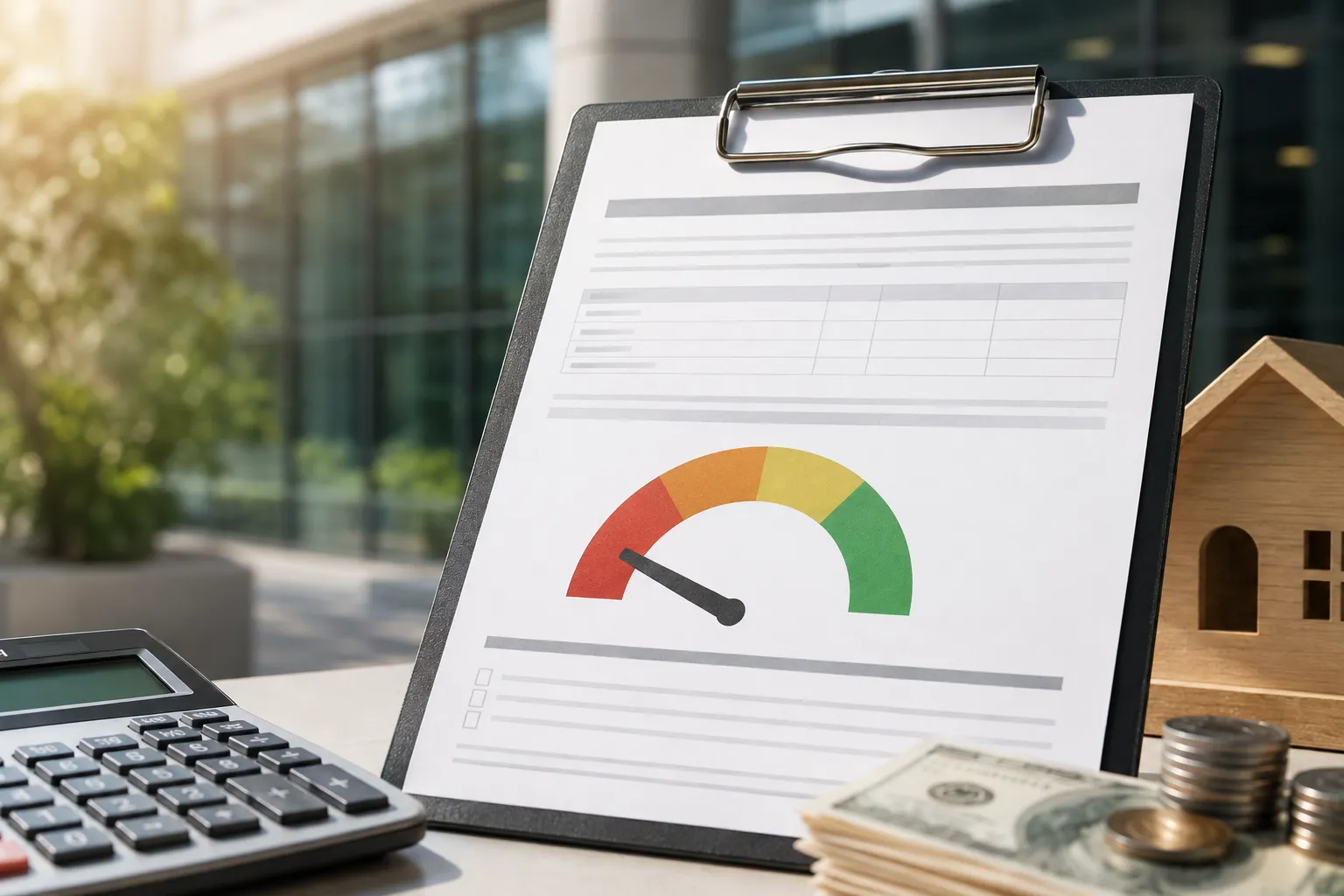
Here is a useful beginner scorecard:
- Can you cover all fixed essentials without using credit?
- Do you have a recurring transfer to savings, even if small?
- Do you end most months with any positive margin at all?
- Have you planned for irregular expenses in separate sinking funds?
- Can your budget survive one bad week without collapsing?
If the answer to several of these is no, do not panic. That does not mean you are bad with money. It means your budget needs redesign, or your income needs reinforcement, or both. For readers exploring the confidence side of the process, Beginners Guide to Budgeting Tips for 2026: Master Your Money with Confidence makes the same broader case: budgeting is less about restriction than resilience.
One more thing. Beginners often chase perfect percentages while ignoring debt interest rates. If you carry high-interest credit card debt, your budget priorities may need to shift. Building a starter emergency cushion while attacking expensive debt can be smarter than trying to optimize every category equally. Context beats slogans. Every time.
What has changed recently: budgeting in 2026 is more automated, but also more deceptive
Budgeting in 2026 is not what it was a few years ago. Banks categorize transactions automatically more often. payment apps have become central to daily spending. Buy now, pay later options remain embedded in online checkout flows. Subscription fatigue is real. And AI-powered personal finance tools are getting better at spotting patterns, though not always better at understanding your priorities.
That combination creates a weird split. On one hand, it is easier than ever to see where money went. On the other, it is easier than ever to spend invisibly. Tap-to-pay, one-click checkout, and installment options reduce the pain of purchase. Behavioral economists have been pointing to this for years: lower friction can increase spending because the decision feels less immediate.
Recent consumer finance coverage has also highlighted the persistence of high living costs in essentials like housing, insurance, and groceries in many markets, even where headline inflation has cooled from earlier peaks. That matters because beginners are entering budgeting with less slack. A method that might have worked in a cheaper environment can feel impossible now.
Several 2026 realities deserve special attention:
- Subscriptions multiply quietly: music, video, cloud storage, fitness, newsletters, gaming, and premium app tiers stack up fast.
- Micro-spending is easier to ignore: delivery fees, service charges, in-app purchases, and impulse marketplace buys blur together.
- Side-hustle income is more common: but irregular cash can lead to overconfidence if you budget based on best-case months.
- Automation helps: yet auto-categorization still needs human review because software mislabels plenty of transactions.
The answer is not to reject modern tools. Use them aggressively. But audit them. Review subscriptions quarterly. Turn off stored card details for your biggest impulse categories if needed. Move savings automatically the day income lands. Create separate sinking funds for annual bills. Friction is not your enemy; strategic friction is your bodyguard.
And yes, if your budgeting app looks gorgeous but your checking account still gets ambushed by annual charges, the app is not the system. Your habits are the system. The app is just the scoreboard.
A simple beginner budget you can build this week
Enough theory. Here is a practical setup that works for many beginners because it balances structure with realism. It is not flashy. It is sturdy. That is better.
Step one: calculate your average monthly take-home income. If your income varies, use the lowest reliable month from the last six to twelve months, not your best month. This protects you from budgeting against fantasy earnings.
Step two: list fixed essentials. Be exact. Rent, utilities, insurance, debt minimums, phone, transit pass, internet, childcare if relevant. These are the non-negotiables.
Step three: estimate flexible essentials using recent actual spending. Groceries and transport should come from evidence, not wishful thinking. If groceries averaged 340 last month and 360 the month before, do not budget 200 because it “sounds disciplined.” That is how people end up raiding other categories.
Step four: create three savings buckets:
- Emergency fund for true unexpected setbacks
- Irregular expenses fund for annual or seasonal costs
- Goal fund for travel, education, moving, or a major purchase
Step five: assign a realistic lifestyle amount. This is where beginners sabotage themselves by pretending they will become monks overnight. Leave room for coffees, meals out, streaming, gym, hobbies, or match tickets if those matter to you. Controlled enjoyment is cheaper than rebellion spending.
Step six: review weekly, not obsessively daily. A 15-minute weekly check catches drift before it becomes damage. Look for category creep, upcoming bills, and any transfer you need to make before the next paycheck.
A sample order of operations can look like this:
- Income arrives
- Automatic transfer to emergency and sinking funds
- Fixed bills covered
- Weekly amount allocated for groceries and transport
- Set lifestyle spending cap for the week
- Friday review and adjust
This is not rigid. It is responsive. If one week runs hot on groceries because you hosted friends or stocked up on basics, pull back elsewhere. Budgets are living documents. Treating them like carved stone is one of the fastest ways to abandon them.
The best beginner budget is the one that keeps working after an imperfect week, not the one that looks perfect on day one.
If you want to get more advanced later, great. But first build the habit of seeing, planning, and adjusting. That trio beats complexity every single time.
Budgeting gets easier when income rises, but the skill still matters
Here is the truth nobody should sugarcoat: some budgeting problems are really income problems. If essentials consume nearly everything you earn, there may be only so much optimization available. You still need a budget, because clarity matters, but side-hustle income, salary growth, or cost reduction may be the real unlock.
That is why budgeting belongs naturally inside the broader personal-finance conversation about earning power. A beginner who learns to budget and also learns to increase income gains leverage much faster than someone focused only on cutting. Think freelance work, tutoring, selling services online, weekend shifts, digital products, or negotiating pay. The budget tells you the gap. Income strategy helps close it.
Still, higher income does not automatically create financial stability. Lifestyle creep is undefeated when left unchecked. Bigger paychecks often attract bigger subscriptions, pricier housing, more dining out, and “I deserve it” purchases that become permanent. The discipline you build on a modest income becomes extremely valuable later because it helps you keep more of each raise instead of vaporizing it.
The long-term goal is not to become hyper-frugal forever. It is to reach a point where your money system runs with less stress: bills paid on time, savings growing automatically, irregular costs planned for, debt shrinking, and fun spending happening without guilt because it was accounted for. That is what financial confidence actually looks like. Not perfection. Not spreadsheet cosplay. Stability.
So if you are a beginner, start small and start loud in your own head: I am not guessing anymore! I am measuring. I am planning. I am building margin. That shift sounds simple, but it changes everything. Budgeting is not about making life smaller. Done well, it gives you room to make better choices, survive bad surprises, and say yes to the things that matter without the post-purchase dread.
That is the real win. Not a trendy template. Not a viral “money reset” challenge. A system that works when real life shows up. And real life ALWAYS shows up.




























Sign in to leave a comment.