

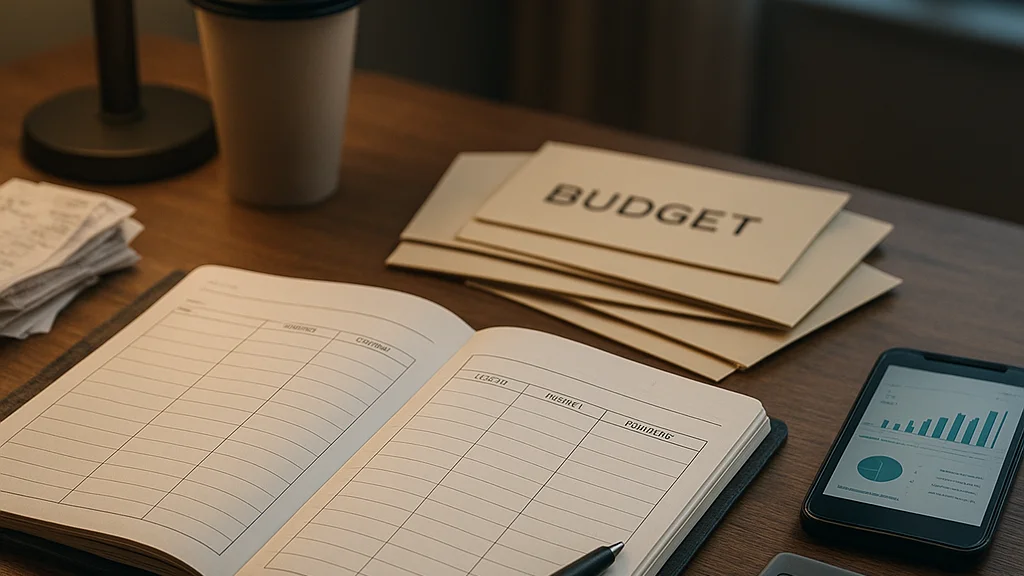
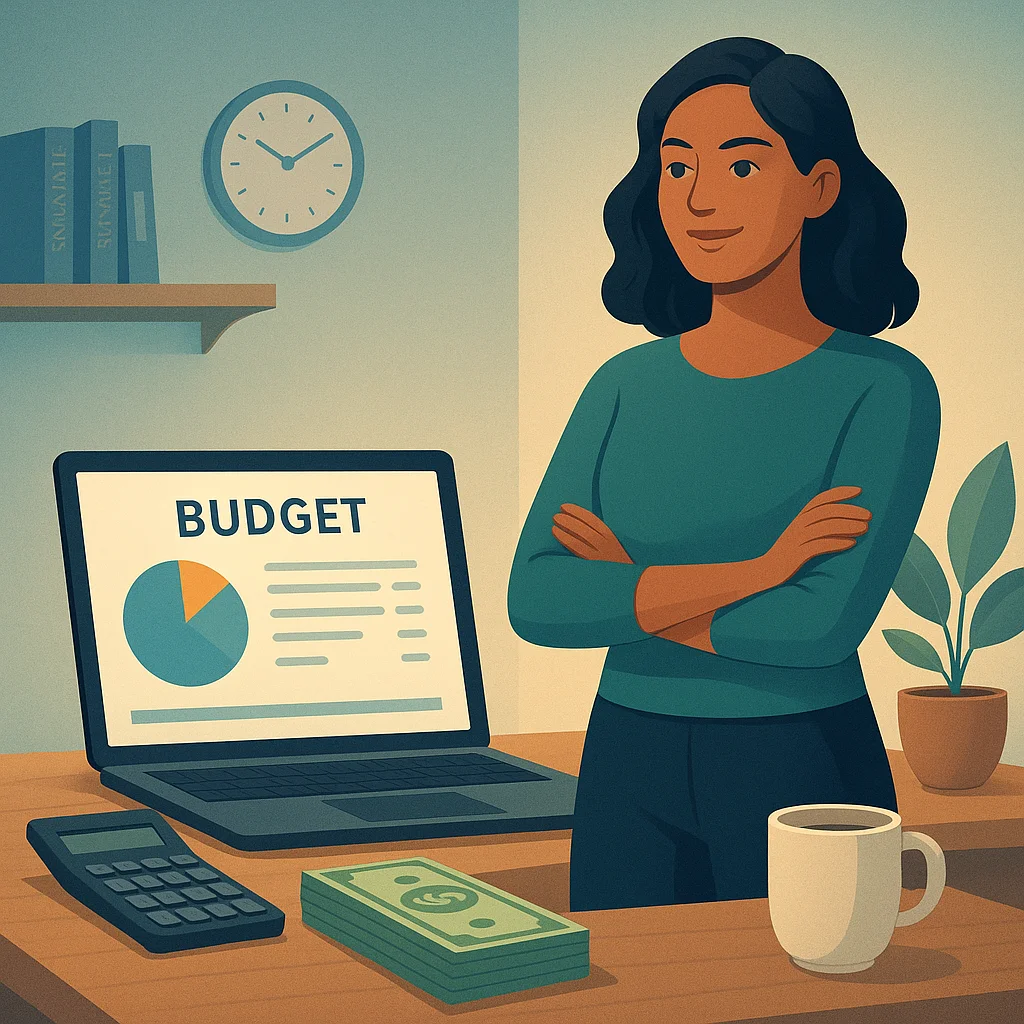
Think budgeting means spreadsheets, guilt, and saying no to every fun plan? NOPE! That is exactly why so many beginners quit before they get traction. The real problem is not laziness or lack of discipline. It is bad framing. A budget is not a punishment system. It is a decision-making tool that tells your money where to go before Instagram ads, food delivery apps, random subscriptions, and one reckless weekend do it for you.
The pressure is real. Prices for essentials have stayed elevated across many economies since the inflation shock of the early 2020s, and even where headline inflation cooled, households still feel the hangover in groceries, rent, insurance, and utilities. According to reporting from Reuters and national statistics agencies over the past two years, consumers have kept adjusting spending habits because wage gains have not always translated into a sense of breathing room. That gap between earning and feeling secure is where budgeting stops being a boring personal-finance cliché and becomes survival, strategy, and freedom at once.
For beginners, the biggest mistake is starting with a fantasy version of themselves. The person who cooks every meal, never impulse-buys, and tracks every cent from day one? Cute idea. Not reliable. A working budget starts with your actual behavior. If your bank statement says takeaway, transport, subscriptions, and late-night convenience spending are your weak spots, your first budget has to account for that reality. This is also why some classic advice has aged badly. Both Nasdaq’s roundup of budgeting tips experts say to avoid and Business Insider’s look at outdated budgeting rules make the same point: rigid systems often collapse because life is not rigid.
If you are new to this, good! Beginners have one huge advantage. You can build a money system from scratch without unlearning ten years of chaos. And if you want a companion read after this one, WriteUpCafe’s Beginners Guide to Budgeting Tips: Build Financial Confidence and Practical Budgeting Tips for Beginners to Master Personal Finance both reinforce the same core truth: confidence comes from clarity, not perfection.
A beginner budget does not need to be perfect. It needs to be believable enough to survive a normal month.
Start with the numbers you already have, not the life you wish you had
Here is the first rule that matters: before choosing a budgeting method, measure your cash flow. That means your monthly take-home pay, fixed bills, variable essentials, debt payments, and irregular spending. Most people know their salary. Far fewer know their real outflow. That is where the leaks hide. Open your last 60 to 90 days of bank and card statements and categorize every transaction. Do not estimate from memory. Memory is a liar, especially after a month full of coffees, rideshares, app renewals, and “small” online orders.
Your categories should be simple enough to maintain. Think housing, utilities, groceries, transport, insurance, debt, eating out, subscriptions, shopping, savings, and miscellaneous. If you freelance or have side-hustle income, separate your lowest reliable monthly income from irregular extras. Beginners often budget from their best month, then panic in an average one. Bad move. Budget from your floor, not your ceiling. Anything above that becomes strategic surplus.
Yahoo Finance’s guide to tracking spending for new graduates emphasizes this exact step because awareness changes behavior faster than vague motivation does. Once people see where money is going, they start editing without being told. That is not magic. It is pattern recognition.
- Fixed costs: rent or mortgage, phone, internet, insurance, loan minimums
- Variable essentials: groceries, fuel, transport, medicine, utilities that fluctuate
- Flexible spending: dining out, entertainment, clothing, hobbies, convenience purchases
- Future-focused categories: emergency fund, sinking funds, retirement, investing
One more thing! Include annual or irregular expenses that ambush beginners every time: car servicing, holiday travel, birthdays, school costs, professional fees, and home repairs. If you ignore them, your budget will look balanced right until reality body-checks it. A sinking fund solves this. Divide expected annual costs by 12 and save that amount monthly. It feels small. It changes everything.
Choose a budgeting method that matches your personality, not finance TikTok
Budgeting methods get treated like football clubs online. People defend them with ridiculous intensity! But there is no universal winner. The best system is the one you will still use three months from now. Some beginners need structure. Others need flexibility. The trick is matching the method to your habits, income stability, and tolerance for detail.
The most famous framework is the 50/30/20 rule: roughly 50% for needs, 30% for wants, and 20% for savings or debt payoff. It is useful as a starting benchmark, not a law of nature. In high-rent cities, housing alone can blow past 30% or 40% of take-home pay. In that case, forcing the ratio can make you feel like a failure when the issue is structural cost pressure, not bad character. MSN’s overview of budgeting methods notes that zero-based budgeting, envelope systems, and percentage-based plans each suit different users.
Zero-based budgeting gives every euro or dollar a job before the month begins. That is powerful for people who overspend when money feels unassigned. The envelope method, whether in cash or digitally, works well for categories that spiral fast, like dining out or shopping. Pay-yourself-first budgeting is ideal for beginners who hate detailed tracking but can automate savings immediately after payday.
- Use 50/30/20 if your income is stable and you want a quick framework.
- Use zero-based budgeting if you need tight control and clear category limits.
- Use envelope budgeting if impulse spending is your main enemy.
- Use pay-yourself-first if you struggle to save anything unless it happens automatically.
What should you avoid? Advice that sounds disciplined but ignores human behavior. Business Insider highlighted that some classic rules push people to cut all “wants,” which often backfires into binge spending later. Nasdaq made a similar argument: extreme restriction is not wisdom if it makes consistency impossible.
The best budgeting method is not the most impressive one. It is the one that still works when life gets messy.
If you want to compare beginner-friendly systems in more detail, WriteUpCafe’s Beginners Guide to Budgeting Tips for 2026: Master Your Money with Confidence expands on how to choose a method without overcomplicating your setup.
The categories that matter most when you are just starting
Beginners often obsess over tiny savings hacks while ignoring the categories that dominate their budget. That is backwards. The fastest gains usually come from the biggest expense buckets: housing, transport, food, debt, and recurring bills. Saving a few coins on coffee matters less than fixing a phone plan you overpay for every month or reducing delivery spending that quietly becomes a second grocery bill.
Housing is usually the largest line item. If it consumes too much of take-home income, the budget gets squeezed everywhere else. That does not mean moving is always realistic, especially in expensive cities. But it does mean every other category has to be built around that truth. Transport is another underrated budget killer. Car ownership can include fuel, parking, insurance, maintenance, registration, and surprise repairs. Public transport, cycling, or occasional car-sharing can dramatically reduce monthly costs depending on where you live.
Food deserves special attention because it is where good intentions go to die after a long workday. The fix is not “never eat out.” The fix is assigning a realistic number to groceries and a separate realistic number to eating out. If you merge them, the category becomes meaningless. Also, beginners should separate debt minimums from extra debt payments. Minimums are non-negotiable obligations. Extra payments are strategic choices that can be increased or reduced depending on cash flow.
- Housing: aim to know the full monthly cost, not just rent
- Food: split groceries from restaurants and delivery apps
- Transport: track total mobility costs, not just fuel
- Debt: separate required payments from accelerated payoff
- Subscriptions: audit every recurring charge every 60 days
- Sinking funds: plan for birthdays, travel, repairs, and annual bills
MSN’s beginner budgeting coverage stresses that financial control improves when categories are visible and specific. That sounds obvious, but people still bury spending under vague labels like “miscellaneous.” That category is where accountability goes to disappear! Give your money sharper labels and your decisions get sharper too.
Automation, side hustles, and the 2026 shift in how people budget
Budgeting in 2026 is not what it was even five years ago. More people now manage money across multiple income streams: salary, freelance work, creator payouts, resale income, delivery gigs, tutoring, consulting, or digital products. That changes the beginner playbook. A static monthly budget is harder to maintain when income lands at uneven times. The smart move is to build a two-layer system: one budget for essential survival costs and another for variable income allocation.
If your income fluctuates, prioritize this order when money arrives: essentials, minimum debt payments, emergency savings, tax set-asides if self-employed, then flexible spending. This is boring advice. It is also elite advice! It keeps one strong month from creating three weak ones. Many freelancers now use percentage rules for irregular income, assigning fixed shares of each payment to taxes, operating costs, savings, and personal spending. That is budgeting adapted to modern work, not old-school payroll assumptions.
Technology has helped, but it has also made leakage easier. Auto-renewals, one-click checkouts, buy-now-pay-later services, and app-based convenience spending can scramble a beginner budget fast. Regulators in several markets have increased scrutiny of consumer credit products and digital payment practices since 2024, while banks and fintech apps have expanded alerts, category tracking, and spending insights. The tools are better. The temptations are too.
Current 2026 behavior trends also show that many households are less interested in “austere budgeting” and more interested in cash-flow resilience. Translation: people want enough buffer to survive volatility without melting down. That is why emergency funds are back at the center of beginner advice. Even a starter fund of one month’s essential expenses can stop a car repair, dental bill, or contract gap from becoming expensive debt.
For readers balancing budgeting with extra income goals, this category on WriteUpCafe fits naturally with side-hustle thinking. A budget should not only cut costs; it should tell you what extra income is for. If a weekend gig only disappears into random spending, it will feel pointless. If it funds a debt payoff target or emergency reserve, motivation gets real fast.
What experts get right about bad budgeting advice
Some budgeting myths survive because they sound morally satisfying. “Cut all luxuries.” “Track every cent forever.” “Never use credit cards.” “One budgeting rule fits everybody.” Experts keep pushing back on these lines for a reason: they confuse simplicity with truth. According to the financial professionals cited by Nasdaq and Business Insider, the most damaging advice is often too absolute.
Take the idea that every non-essential purchase is irresponsible. That can push beginners into a shame cycle where any enjoyment feels like failure. The result is usually not discipline. It is rebound spending. A small, planned fun category is often healthier than pretending you will live like a monk. Likewise, tracking every micro-transaction can be useful at first, but not everyone needs that level of intensity forever. Some people graduate to weekly reviews and category caps once they understand their patterns.
Credit cards are another area where nuance matters. For someone carrying revolving debt or struggling with impulse spending, using debit or cash limits may be wise. For someone who pays balances in full and uses alerts, a credit card can offer fraud protection and rewards. The issue is not the plastic rectangle. The issue is whether the system around it is controlled.
Experts also increasingly emphasize values-based budgeting. That means spending intentionally on what matters most to you while cutting hard on what does not. Maybe you care about travel, concerts, or fitness but could not care less about designer clothes or daily delivery. Great. Your budget should reflect that. Generic templates are useful, but personal priorities are what make a budget sustainable.
Good budgeting is not about proving you can suffer. It is about proving you can choose.
This is where beginners often level up. Once you stop trying to copy someone else’s money personality, your budget becomes less performative and more effective.
A realistic first-month budget plan you can actually follow
So what should your first month look like? Keep it brutally simple. Do not build a 17-tab spreadsheet unless you already enjoy that kind of thing. Start with one monthly planning session, one mid-month check-in, and one end-of-month review. That is enough to create awareness without turning your life into admin.
First, total your take-home income. If it varies, use the lowest dependable amount from recent months. Second, list fixed obligations and minimum debt payments. Third, estimate variable essentials using your last two or three months of real spending. Fourth, assign limits to flexible categories. Fifth, automate savings on payday, even if the amount is small. Automation beats intention almost every time.
Here is a simple sequence beginners can use:
- Calculate monthly take-home pay.
- Subtract fixed bills and debt minimums.
- Set grocery and transport limits from real past data.
- Create caps for eating out, shopping, and entertainment.
- Transfer money to emergency savings automatically.
- Review spending weekly for 10 minutes.
- Adjust next month based on what actually happened.
The weekly review matters because budgets fail quietly before they fail loudly. If dining out is already 80% spent by day 12, you need to know then, not at month-end. On the other hand, if one category is consistently overfunded, reassign that money. A budget is a living document, not a tattoo.
Also, expect the first month to be messy. Maybe your grocery estimate is wrong. Maybe you forgot an annual subscription. Maybe your transport costs spike. Fine! That is not failure. That is data. The first budget is supposed to reveal friction points. The second and third budgets are where things start tightening in a useful way.
If you want another angle on beginner implementation, WriteUpCafe’s Essential Budgeting Tips for Beginners in 2026 offers a practical companion for turning broad principles into repeatable habits.
What to watch next: from basic budgeting to long-term financial control
Once your budget stops leaking, the next phase is not just “save more.” It is building systems that reduce future stress. Start with an emergency fund. Then tackle high-interest debt aggressively if you have it. After that, think about retirement contributions, investing, and targeted savings goals. Budgeting is the front door to all of it. Without a clear cash-flow map, bigger financial goals stay vague and delayed.
There is also a psychological shift that happens once budgeting clicks. You stop reacting to money and start directing it. That means fewer panic moments, fewer end-of-month mysteries, and more confidence saying yes or no to opportunities. Want to change jobs? Start a side hustle? Travel? Move out? Pay for a course? Those decisions get easier when you know your numbers.
In 2026, the people doing best with beginner budgets are not necessarily the highest earners. They are the ones with the clearest systems. Some use apps. Some use notes on their phones. Some use spreadsheets. The format matters less than the habit. Review, adjust, repeat. That is the rhythm.
And here is the final thing, loud and clear: budgeting is not about shrinking your life. It is about stopping random spending from making your choices for you. That is the whole fight! If you can build a budget that covers essentials, protects future you, and leaves room for a little joy, you are not behind. You are doing it right.
Start simple. Track honestly. Automate early. Adjust without drama. That is how beginners turn budgeting from a guilt trip into a power move.

























Sign in to leave a comment.