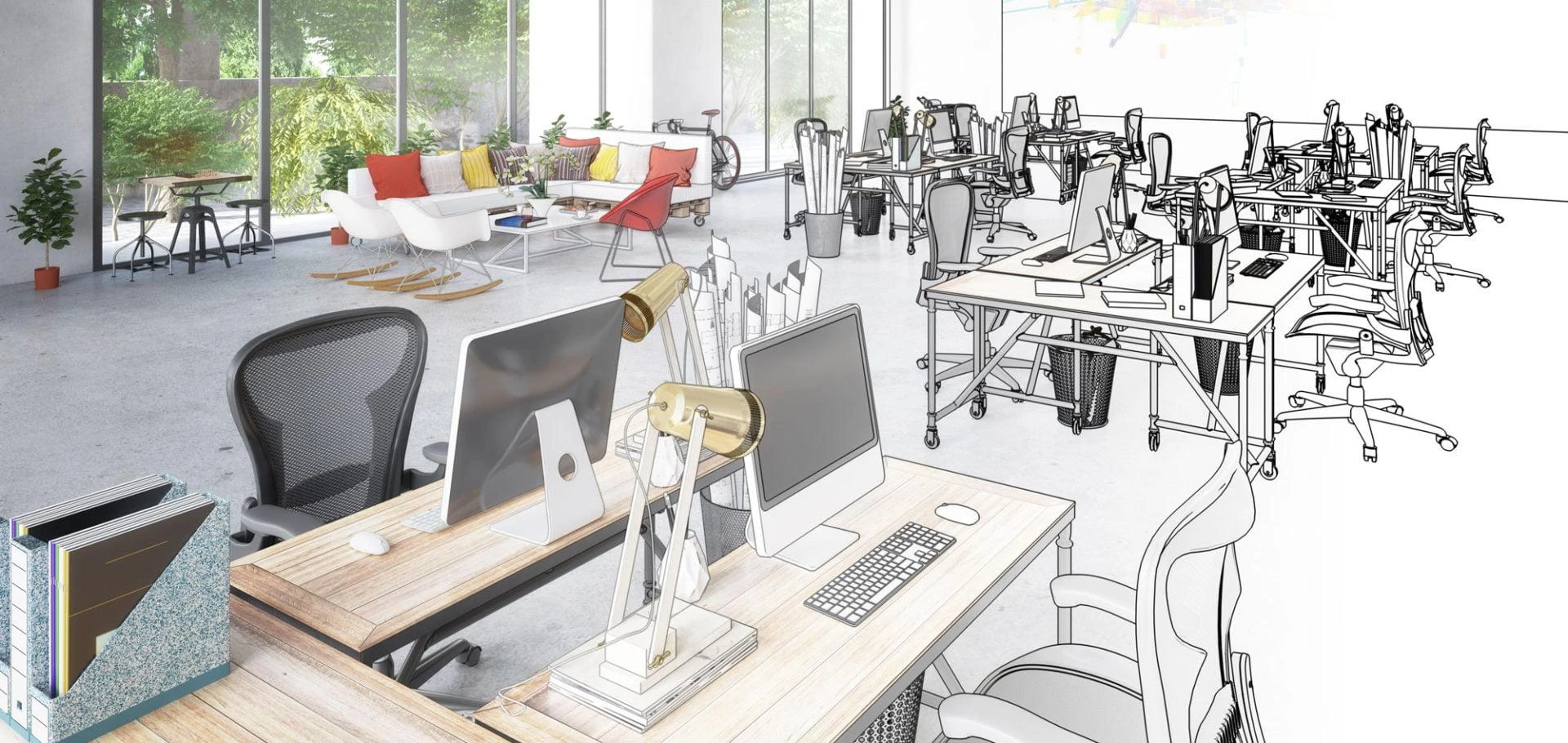
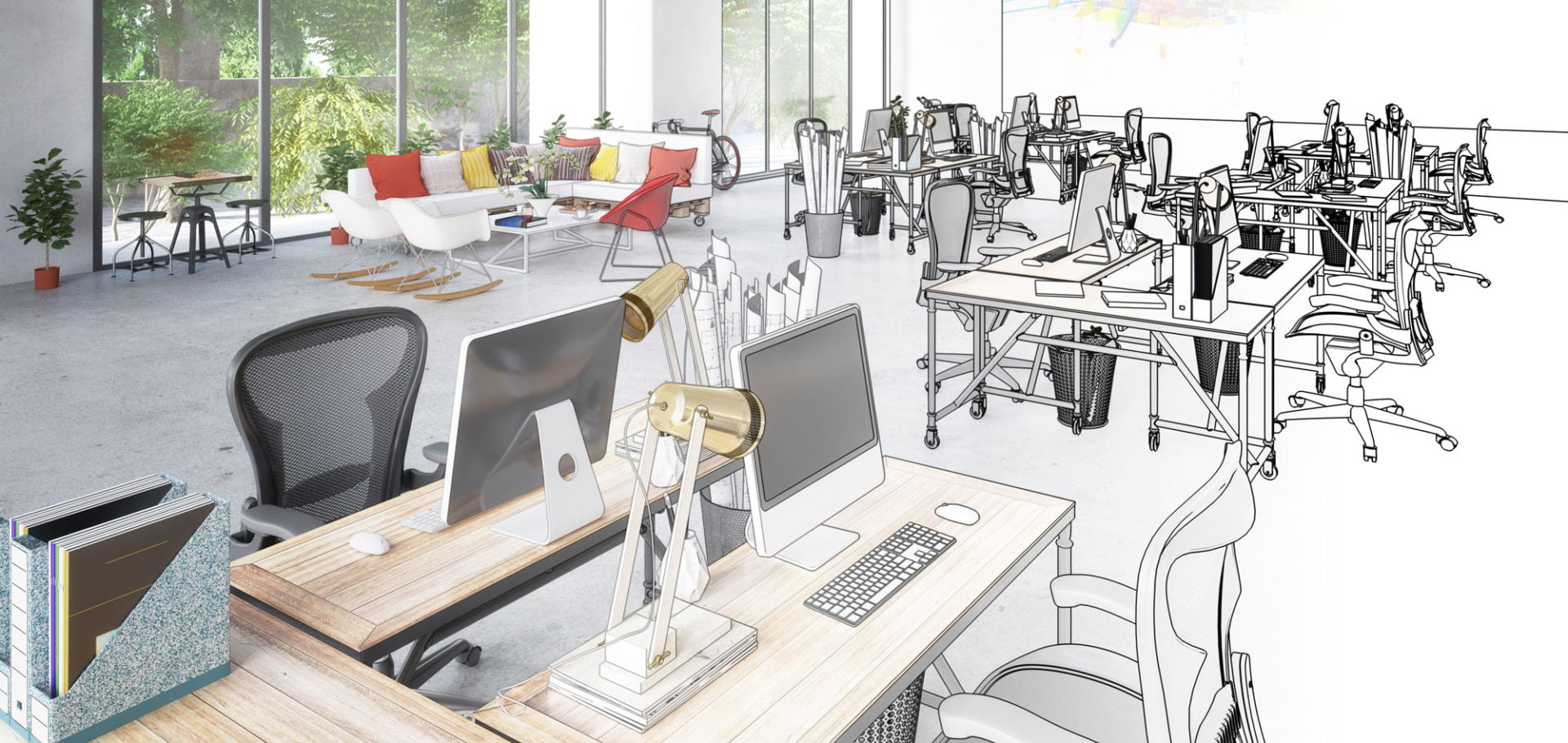
Office space planning is not just about filling a room with desks, chairs, and computers.
It is a strategic process that directly impacts productivity, employee well-being, brand image, and long-term business growth.
For beginners, this process can feel confusing and overwhelming. Questions like “How much space do I really need?”, “Which layout is best for my team?”, and “How do I balance design with budget?” are very common.
In this beginner-friendly case study, we will break down the entire office space planning journey step by step, using real-world insights inspired by professional projects delivered by Arc Pacific Interiors—a trusted name in commercial and corporate interior solutions.
What Is Office Space Planning?
Office space planning is the process of organizing and designing a workplace to support daily workflows, collaboration, privacy, comfort, and future scalability.
It combines interior design, ergonomics, operational strategy, and branding into a single functional environment.
Many beginners mistakenly think office planning is only about aesthetics. In reality, it plays a key role in:
- Improving employee productivity
- Reducing stress and fatigue
- Enhancing teamwork
- Optimizing space utilization
- Supporting company culture
- Creating a strong brand presence
Businesses that consult professionals such as an Office Interior Designer in Gurgaon (Gurugram) often see fewer layout mistakes, better long-term value, and smoother operations.
Case Study Background: A Startup’s Office Planning Challenge
Let’s consider a growing tech startup with 25 employees moving into a 2,000 sq. ft. commercial space. Their main goals were:
- Encourage collaboration
- Maintain privacy for focused work
- Reflect a modern brand image
- Stay within a limited budget
- Plan for future expansion
Initially, the founders wanted to simply “fit everyone in.” However, after consulting experts from Arc Pacific Interiors, they realized that office planning is about optimization, not just accommodation.
Step 1: Understanding User Needs and Business Goals
The first step in office planning is understanding how the space will be used.
Arc Pacific Interiors began by analyzing:
- Number of employees
- Nature of work (collaborative vs. independent)
- Frequency of meetings
- Storage requirements
- Visitor traffic
- Growth projections
This phase ensures the design supports real workflows instead of forcing employees to adapt to poor layouts.
Step 2: Zoning the Office Space
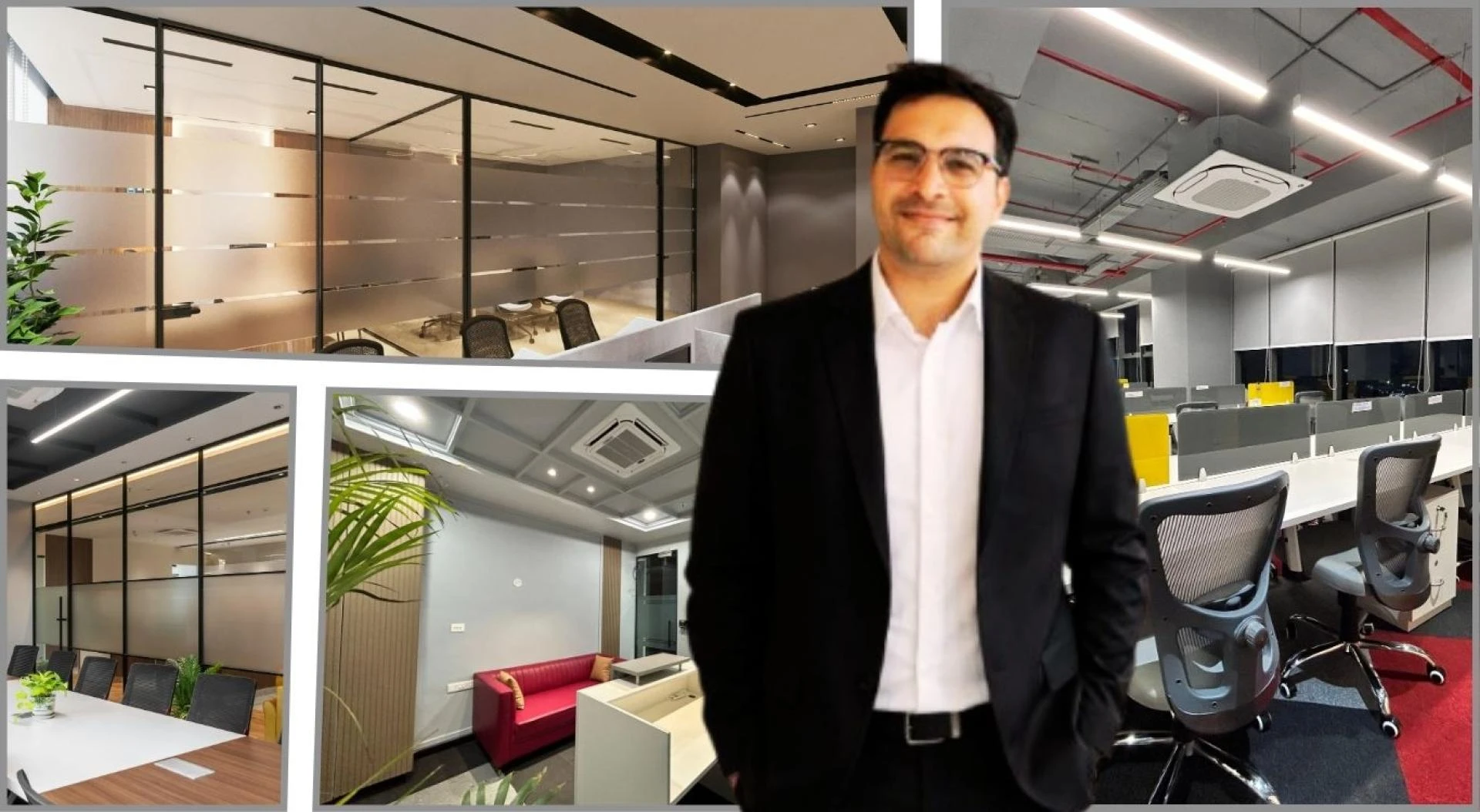
Zoning means dividing the office into functional areas. In this case, the space was divided into:
- Open workstations
- Private cabins
- Meeting rooms
- Breakout zones
- Reception
- Pantry
- Storage areas
Noise-sensitive zones were kept away from high-traffic areas. This thoughtful zoning reduced distractions and improved concentration.
Step 3: Choosing the Right Layout
Layout selection is one of the most important decisions in office planning.
Common Layout Types
Open Layout: Encourages teamwork but may increase noise. Cubicle Layout: Offers privacy but can feel restrictive. Hybrid Layout: A mix of open and private spaces—currently the most popular option.
For this startup, a hybrid layout was chosen to balance collaboration and focused work.
Step 4: Ergonomics and Employee Comfort
A visually stunning office means nothing if employees feel uncomfortable.
Ergonomic planning included:
- Adjustable chairs
- Proper desk heights
- Correct monitor placement
- Footrests
- Anti-glare lighting
Arc Pacific Interiors focuses on designing spaces that protect posture, reduce fatigue, and enhance long-term health. Comfort directly affects productivity.
Step 5: Lighting, Acoustics, and Ventilation
Lighting affects mood, focus, and energy levels. This office used:
- Natural daylight wherever possible
- Ambient lighting for overall brightness
- Task lighting for workstations
Acoustic panels were added to reduce noise, and ventilation systems were designed to ensure fresh airflow throughout the day.
Step 6: Branding Through Interior Design
Your office reflects your brand values.
In this project, the reception area was designed to leave a strong first impression. Wall colors, textures, signage, and artwork aligned with the startup’s identity.
This is where Arc Pacific Interiors excels—transforming brand values into physical experiences.
Step 7: Budget Optimization Without Compromising Quality
Beginners often believe that good design must be expensive. This is not true.
The team optimized costs by:
- Using modular furniture
- Selecting durable materials
- Avoiding unnecessary partitions
- Planning electrical and data points in advance
Strategic planning saved money and reduced future renovation needs.
Step 8: Planning for the Future
One of the biggest mistakes beginners make is designing only for current needs.
This office was designed for 35–40 employees instead of just 25. Flexible furniture and movable partitions allowed easy reconfiguration.
Scalable design saves time, money, and disruption.
Step 9: Execution and Quality Control
A great design means nothing without proper execution.
Arc Pacific Interiors followed a structured approach:
- Clear timelines
- Vendor coordination
- On-site supervision
- Quality inspections
- Safety compliance
This ensured the project was delivered on time and within budget.
Results of the Case Study
After moving into the newly planned office, the startup experienced:
- 20% improvement in productivity
- Better collaboration
- Reduced noise complaints
- Positive client impressions
- Higher employee satisfaction
This proves that office space planning is an investment, not an expense.
Why Beginners Should Hire Professionals?
DIY layouts often look good on paper but fail in real-world usage.
Professional designers offer:
- Technical knowledge
- Space optimization strategies
- Material expertise
- Budget control
- Future-proof planning
Businesses working with an Office Interior Designer in Faridabad often experience smoother execution and fewer costly mistakes.
About Arc Pacific Interiors
Arc Pacific Interiors is a reputed commercial interior design firm known for creating smart, scalable, and high-performance office spaces. Their team blends creativity with business logic to build environments that truly support growth.
Whether you’re a startup or an established company, they ensure every square foot works for you.
📞 Contact: +91 – 8368133119
Final Thoughts
Office space planning is not just about design—it is about people, productivity, and long-term success. Beginners often underestimate its importance, but a well-planned office can completely transform how a business operates.
With the right zoning, ergonomic focus, branding alignment, and future-ready design, your office can become a true growth engine.
If you want a professional, scalable, and stress-free experience, consulting experts like Arc Pacific Interiors is the smartest first step.




























Sign in to leave a comment.