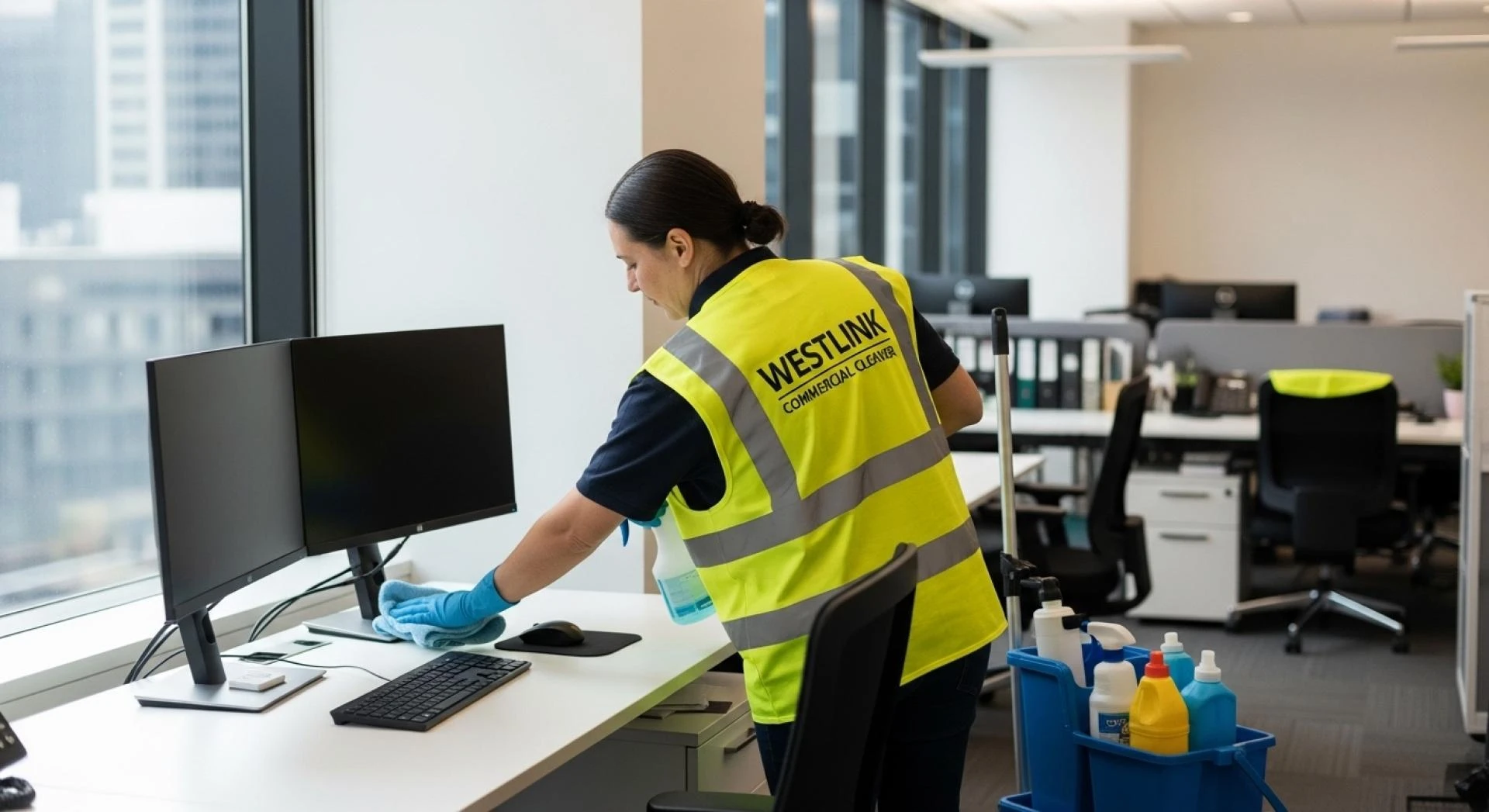
Office cleaning is rarely treated like a performance lever, but it is. A clean workplace reduces sick days, improves focus, protects your brand in front of clients, and lowers risk across common areas. When cleaning slips, the problems show up fast. Bathrooms feel unsafe, kitchens smell by midday, meeting rooms look tired, and the whole space starts communicating “we don’t pay attention.” If you want a clear benchmark of what a consistent, professional routine should cover, this guide to commercial office cleaning in Sydney lays out the practical areas that matter most for hygiene, presentation, and day-to-day standards.
1) Fewer Sick Days and Less “Half-Working” Time
Most productivity loss does not come from people staying home. It comes from people coming in unwell and spreading it across shared touchpoints. Door handles, lift buttons, meeting room tables, kitchen taps, fridge handles, and printer stations are germ highways. Consistent cleaning that targets these high-touch areas reduces the spread of illness and cuts down the cycle of repeated colds that drag a team’s output for weeks.
2) Better Focus Because the Space Stops Draining People
Dirty environments create background stress. People may not complain, but they notice the stained carpet near the entrance, dusty corners, smudged glass, and sticky kitchen benches. That “visual noise” quietly steals attention and lowers the standard of how people treat the space. A consistently clean office removes friction, supports concentration, and helps teams stay in work mode instead of feeling like they are working inside a neglected environment.
3) Stronger Client Trust Before You Even Speak
Clients might forget your exact words, but they will remember how your office looked and felt. A clean reception, tidy meeting rooms, and hygienic bathrooms create confidence instantly. A dirty workplace creates doubt just as fast. Cleanliness signals discipline, professionalism, and care, especially in industries where detail matters. If you host clients, partners, or investors, office cleaning becomes part of your reputation, not just a maintenance task.
4) Lower Risk in Bathrooms, Kitchens, and Walkways
Slips and trips usually come from small issues: wet bathroom floors, greasy kitchen tiles, spills in corridors, and cluttered entry points. Regular cleaning lowers these risks by keeping high-traffic areas safe and predictable. It also supports internal compliance standards, especially in workplaces where safety checks and incident reporting are taken seriously.
5) Longer Life for Carpets, Floors, and Fit-Outs
Dirt and grit act like sandpaper. Over time, they wear down carpets, dull hard floors, and damage surfaces that are expensive to replace. Routine cleaning, paired with periodic deep cleaning, protects your office fit-out and reduces the need for early replacement. This is one of the most overlooked financial benefits of cleaning: it extends the life of what you already paid for.
6) Better Morale Because People Feel Respected
Bathrooms and kitchens shape how people feel about their workplace. When these shared spaces are neglected, it creates frustration and quiet resentment. People stop trusting the environment. They avoid areas, waste time, and complain to each other instead of solving it. Consistent office cleaning removes that tension and sends a clear message: the workplace is managed, and the team’s comfort matters.
What Good Office Cleaning Should Actually Cover
A proper office cleaning plan goes beyond bins and a quick vacuum. It includes reliable sanitising of high-touch points, bathroom hygiene, kitchen surface cleaning, floor care that actually improves appearance, and consistent detailing in client-facing spaces. It also includes scheduled deep cleaning to prevent build-up that weekly cleans cannot fix, such as carpet extraction, hard-floor scrubbing, and high-level dusting.
A Practical Way to Set the Standard in Sydney
If you manage a workplace in Sydney and want a clear benchmark for what professional cleaning should look like, you can use Westlink Commercial Cleaning as a reference point for commercial cleaning standards and scope. For office-specific requirements, their commercial office cleaning in Sydney page is a useful example of how office cleaning is typically structured around hygiene, presentation, and consistency.
Final Thoughts
Office cleaning is not about chasing perfection. It is about removing friction. When the office is consistently clean, people get sick less often, focus improves, clients trust you faster, and the workplace feels like it is run properly. It is one of the simplest upgrades you can make because it improves health, performance, and perception at the same time.


























Sign in to leave a comment.