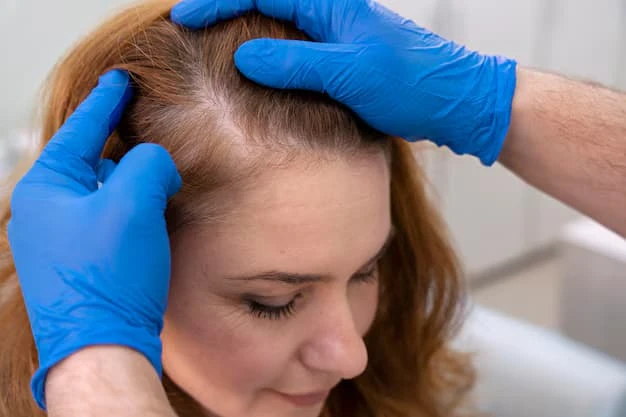
Hair loss is a concern that affects individuals of all ages and genders, but it can be particularly distressing for women due to the societal emphasis on hair as a symbol of beauty and vitality. Receding hairlines in women can lead to decreased confidence and a reluctance to participate in social or professional settings. Fortunately, advances in cosmetic procedures have made it possible to restore hairlines effectively and naturally.
A female hairline transplant is a specialized procedure designed to address hair thinning and receding in women. This technique focuses on restoring a natural hairline that complements the individual’s facial structure. Unlike traditional hair restoration procedures, it considers the unique characteristics of female hair growth patterns and density requirements.
The benefits of a female hairline transplant go beyond mere aesthetics. It can provide significant psychological and emotional improvements for women who struggle with hair loss. By restoring a fuller hairline, the procedure helps individuals regain their confidence, enhance their appearance, and improve their overall quality of life.
Understanding Female Hair Loss
Common Causes of Receding Hairlines in Women
Hair loss in women can occur due to a variety of factors. Hormonal changes, such as those associated with pregnancy, menopause, or thyroid disorders, often play a significant role. Genetic predispositions also contribute to early hair thinning, making some women more likely to experience receding hairlines. Stress, nutritional deficiencies, and certain medical conditions can exacerbate the problem.
The Psychological Impact of Hair Loss
Receding hairlines can have profound emotional consequences. Women may experience anxiety, low self-esteem, and social withdrawal as a result of visible hair loss. These psychological effects can interfere with personal and professional life, making early intervention essential. A female hairline transplant addresses both the physical and emotional aspects of hair loss, offering a comprehensive solution.
How Female Hairline Transplants Work
The Procedure Overview
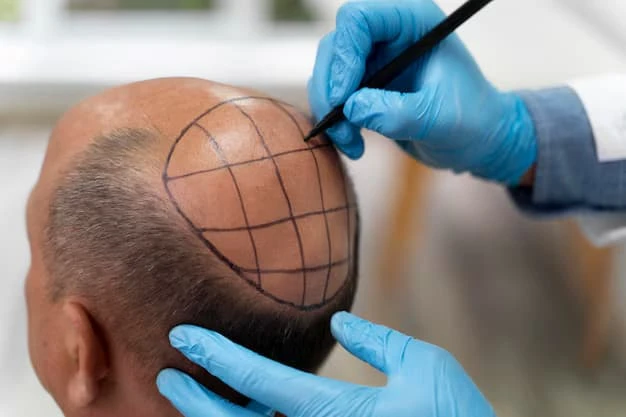
A female hairline transplant involves extracting healthy hair follicles from donor areas, usually the back of the scalp, and implanting them in the thinning or receding regions. Surgeons take great care to ensure that the hairline appears natural and harmonizes with the patient’s facial features. Modern techniques prioritize precision and minimal scarring to achieve optimal results.
Techniques Used in Female Hair Transplants
Several techniques are commonly employed in female hairline restoration, including Follicular Unit Extraction and Follicular Unit Transplantation. Follicular Unit Extraction involves harvesting individual hair follicles, which are then implanted in the desired areas. Follicular Unit Transplantation uses small grafts of hair to restore density. Both methods ensure that the transplanted hair blends seamlessly with existing hair for a natural look.
Key Benefits of Female Hairline Transplant
Natural-Looking Results
One of the most significant advantages of a female hairline transplant is the ability to achieve natural-looking results. Skilled surgeons carefully design the hairline to match the patient’s facial symmetry and aesthetic preferences. The transplanted hair grows naturally, making it difficult to distinguish from native hair.
Permanent Solution to Hair Loss
Unlike temporary treatments such as wigs or topical solutions, a hairline transplant offers a long-lasting solution. Once the transplanted follicles establish themselves, they continue to grow naturally. This permanence reduces the need for ongoing maintenance and provides peace of mind for women concerned about hair loss progression.
Boost in Confidence and Self-Esteem
Restoring a receding hairline can dramatically improve a woman’s self-esteem. Many individuals report feeling more attractive and socially confident after the procedure. This positive psychological impact often extends to personal and professional interactions, helping women feel more empowered in their daily lives.
Minimal Downtime and Recovery
Modern female hairline transplant techniques are minimally invasive, requiring only local anesthesia and outpatient care. Most patients can resume normal activities within a few days, and the recovery process is relatively straightforward. This convenience makes it an attractive option for women with busy lifestyles.
Customization for Individual Needs
Every woman’s hairline is unique, and procedures are tailored accordingly. Surgeons take into account hair density, growth patterns, and facial shape to create a personalized restoration plan. This customization ensures that the results are aesthetically pleasing and harmonized with the individual’s natural appearance.
Considerations Before Undergoing a Hairline Transplant
Consultation and Assessment
Before undergoing a female hairline transplant, a thorough consultation is essential. Specialists evaluate the patient’s medical history, hair loss pattern, and expectations to determine suitability for the procedure. This assessment helps identify the best techniques and ensures realistic results.
Post-Procedure Care
Proper care following a hairline transplant is crucial for successful outcomes. Patients are typically advised to avoid strenuous activity, direct sun exposure, and certain hair products for several weeks. Following medical guidance ensures optimal growth of transplanted hair and minimizes complications.
Potential Risks and Side Effects
While female hairline transplants are generally safe, minor risks include temporary redness, swelling, and mild discomfort at the donor or recipient site. Rare complications, such as infection or scarring, can occur but are minimized when procedures are performed by experienced professionals.
Enhancing Overall Hair Health
A hairline transplant not only restores receding hairlines but also encourages patients to adopt healthier hair practices. Improved nutrition, gentle hair care routines, and regular scalp treatments can prolong the health and appearance of both natural and transplanted hair. Combining these lifestyle adjustments with the procedure maximizes long-term results.
Complementary Treatments
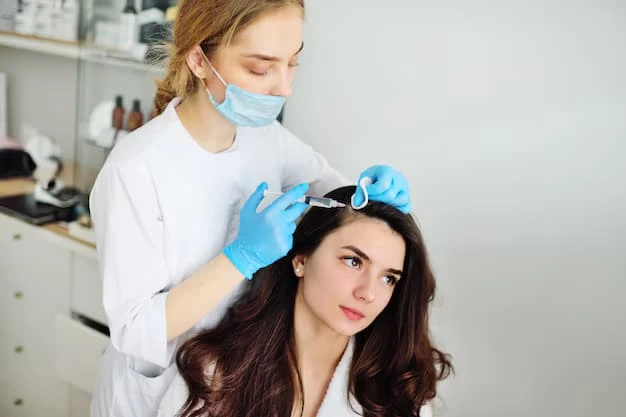
Some women may benefit from additional treatments such as platelet-rich plasma therapy or low-level laser therapy. These treatments can stimulate hair growth, improve follicle health, and support the success of the transplant. Integrating complementary therapies offers a holistic approach to managing hair loss.
Conclusion
A female hairline transplant provides numerous benefits, from restoring natural hairlines to boosting self-confidence. It addresses both the physical and emotional aspects of hair loss, offering a permanent and aesthetically pleasing solution. Modern techniques ensure minimal downtime, customization, and natural-looking results, making the procedure an excellent choice for women seeking to regain their youthful appearance. For those considering this transformative solution, Este Hair Transplant offers expert guidance and support to achieve optimal outcomes.




























Sign in to leave a comment.