
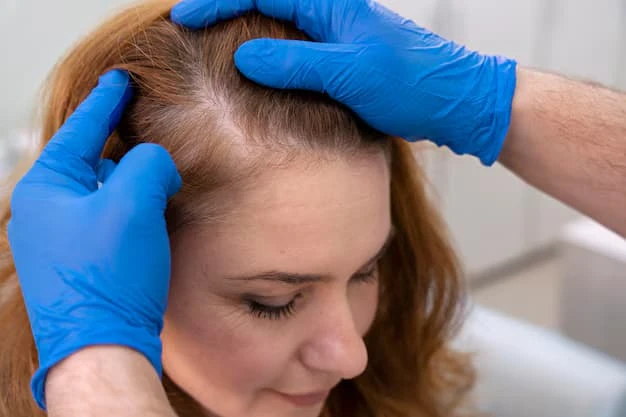
Hair loss is a common concern for women that can affect self-confidence and overall well-being. While hair loss in men is often discussed, female hair thinning or shedding is equally significant and can result from hormonal changes, genetics, stress, or medical conditions. Women facing hair loss often seek solutions that restore not only hair volume but also their sense of identity and confidence. Among the most effective treatments available, the choice often comes down to hair implants and hair replacement systems. A hair implant for ladies provides a permanent solution by transplanting healthy hair follicles to thinning areas, offering natural growth and long-lasting results.
Hair loss solutions for women vary widely in approach, cost, and results. Hair replacement systems, such as wigs or extensions, provide a non-surgical alternative. These systems can deliver instant coverage and variety in styling, making them appealing for those seeking immediate cosmetic improvement. However, they do not address the root cause of hair loss or provide natural hair growth. In contrast, hair implants involve advanced surgical techniques that allow women to regain their natural hairline and density over time. Understanding the differences between these options is essential for making an informed choice that aligns with lifestyle, expectations, and long-term goals.
Understanding Hair Implants for Ladies
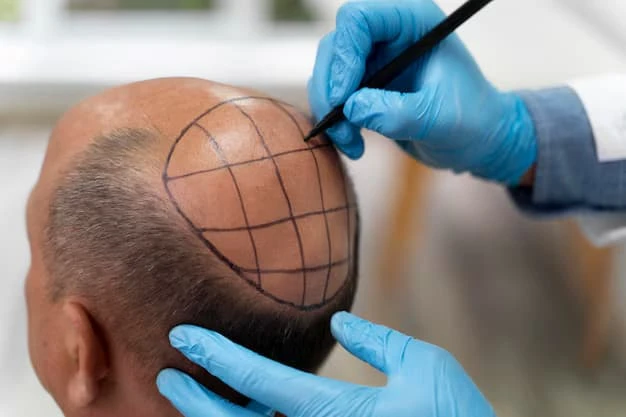
Hair implants, also known as hair transplants, are medical procedures designed to restore hair by moving follicles from areas of dense growth to thinning or bald areas. For women, these implants are particularly valuable when hair loss occurs due to genetics, hormonal changes, or trauma. Unlike temporary solutions, hair implants aim to produce natural hair growth that continues throughout life. The procedure typically requires careful planning, including assessing hair density, scalp health, and overall medical suitability. This ensures optimal results that blend seamlessly with existing hair.
Procedure and Techniques
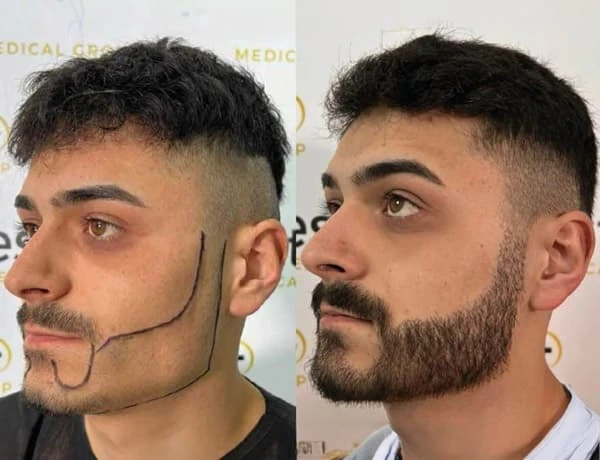
The most common techniques used in hair implants are Follicular Unit Extraction and Follicular Unit Transplantation. Follicular Unit Extraction involves harvesting individual hair follicles from donor areas, usually the back of the scalp, and implanting them into thinning areas. Follicular Unit Transplantation, on the other hand, involves removing a small strip of scalp with healthy hair follicles, which is then divided and implanted into the target area. Both techniques aim to provide natural-looking hairlines and uniform density while minimizing scarring. Proper technique selection depends on the extent of hair loss, hair type, and patient preferences.
Benefits of Hair Implants
Hair implants for women offer several significant advantages over temporary solutions. Firstly, they provide permanent results that grow naturally with time, eliminating the need for daily maintenance or adhesives. Secondly, the outcome is highly customizable, allowing for a hairline design that complements facial features. Additionally, hair implants improve self-esteem and confidence by restoring a natural appearance. Unlike wigs or extensions, the implanted hair is unaffected by styling limitations and can be treated like natural hair, including coloring and cutting. These benefits make hair implants a long-term investment in appearance and self-assurance.
Hair Replacement Systems
Hair replacement systems, such as wigs, hairpieces, and extensions, are non-surgical options for women experiencing hair thinning or loss. These systems offer a way to cover hair loss instantly and can be customized in terms of color, style, and volume. They appeal to women who want flexibility without committing to surgery. Modern hair replacement systems use high-quality synthetic fibers or real human hair to achieve a natural appearance. While they can be highly effective cosmetically, they do not address underlying hair loss and require ongoing maintenance to ensure durability and comfort.
Types of Hair Replacement Systems
There are several types of hair replacement systems available. Full wigs cover the entire scalp and can be easily removed or styled according to preference. Partial wigs or hairpieces are designed to attach to specific thinning areas, blending with existing hair. Clip-in extensions provide temporary volume and length but need careful application to avoid stress on natural hair. Each type offers different levels of convenience, realism, and maintenance requirements. Choosing the right system depends on factors such as the degree of hair loss, lifestyle, and personal aesthetic goals.
Advantages and Limitations
Hair replacement systems provide immediate improvement in appearance and allow for versatility in hairstyles. They are non-invasive, require no surgery, and can be an affordable option compared to hair implants. However, they have limitations. Daily use may lead to discomfort, and improper attachment can damage natural hair. Regular maintenance is necessary to prevent tangling, shedding, or unnatural appearance. Unlike hair implants, these systems cannot restore real hair growth, which means the underlying hair loss continues untreated. Awareness of these factors is essential for women considering temporary solutions.
Comparing Hair Implants and Hair Replacement Systems
When deciding between a hair implant for ladies and hair replacement systems, it is important to consider several key factors. Hair implants provide a permanent solution with natural hair growth, low long-term maintenance, and the freedom to style naturally. Hair replacement systems, while offering immediate aesthetic improvement, require ongoing upkeep and do not resolve the underlying cause of hair loss. Cost considerations, lifestyle preferences, and personal comfort with surgical procedures all play a role in making the best choice. Women must weigh short-term convenience against long-term results to achieve satisfaction with their chosen method.
Factors to Consider
Several factors influence the decision between hair implants and replacement systems. Hair density and scalp health determine the feasibility of transplant procedures. Personal lifestyle, including physical activity and willingness to follow post-procedure care, affects the practicality of surgical solutions. Budget and long-term maintenance costs also play a role, as hair replacement systems may require continuous investment, while hair implants are a one-time cost with lasting results. Consultation with a qualified specialist helps ensure the selected method aligns with individual needs and expectations.
Conclusion
Hair loss is a deeply personal challenge for many women, and choosing the right solution requires careful consideration. A hair implant for ladies offers a permanent, natural, and customizable approach to restoring hair and confidence. Hair replacement systems provide a non-surgical alternative that delivers instant results but requires ongoing maintenance and does not treat the root cause of hair loss. For women seeking long-term, reliable outcomes, professional hair transplant procedures are often the most effective option. Este Hair Transplant provides comprehensive guidance and services to help women make informed decisions and achieve the hair restoration results they desire.


























Sign in to leave a comment.