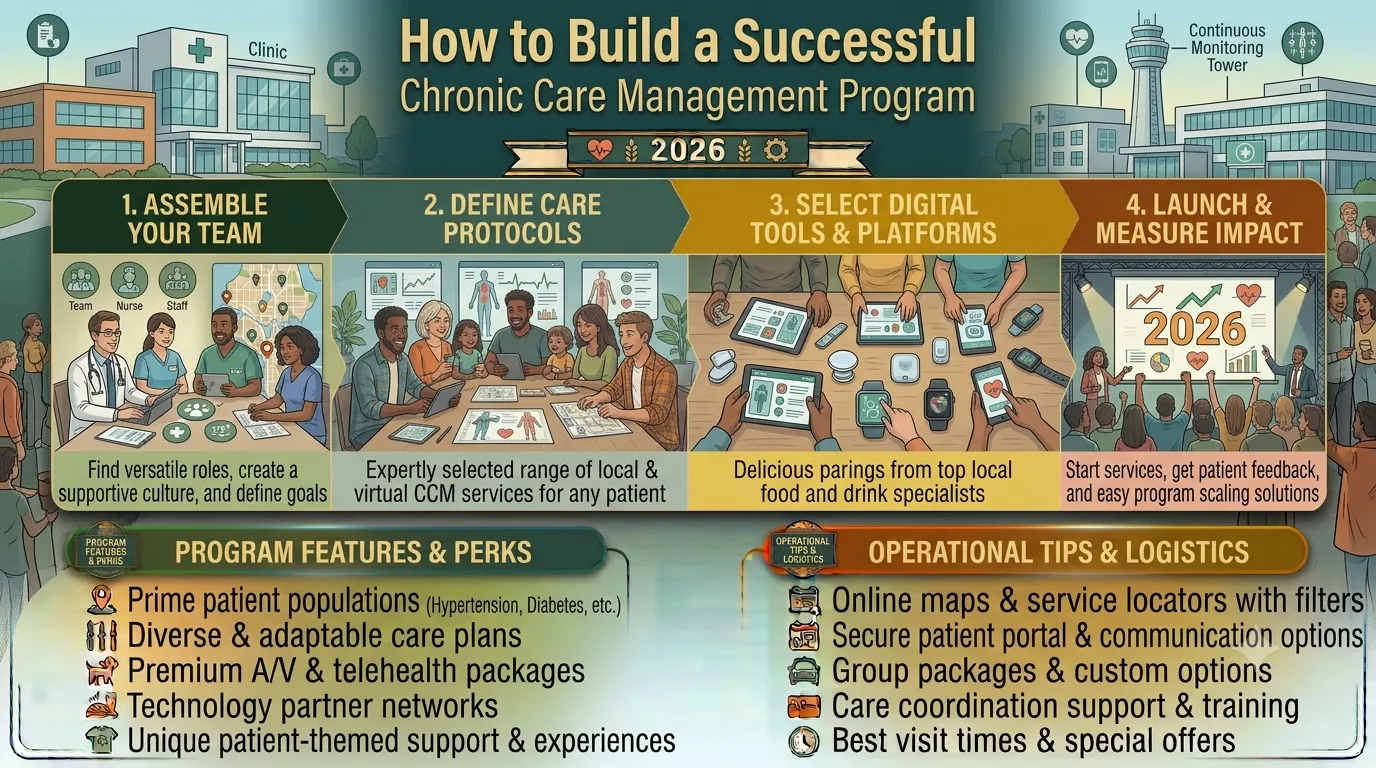

Chronic diseases are on the rise worldwide, leading to increased healthcare costs and reduced quality of life for millions of patients. To effectively manage long-term conditions like diabetes, heart disease, and hypertension, healthcare providers are increasingly turning to chronic care management programs. But what makes a chronic care management program truly successful? In this article, we’ll explore the key steps, best practices, and strategies for building a program that delivers real results for patients and healthcare organizations alike.
What Is a Chronic Care Management Program?
A chronic care management program is a coordinated approach to healthcare that focuses on patients with two or more chronic conditions. The goal is to improve health outcomes by providing ongoing support, education, and monitoring, often involving a team of healthcare professionals. These programs typically include regular check-ins, medication management, care coordination, and patient education to ensure optimal health and prevent unnecessary hospitalizations.
Why Chronic Care Management Matters
Chronic conditions account for a significant portion of healthcare spending and are often associated with complex treatment plans. Proper management can:
- Reduce hospital readmissions
- Improve patient adherence to treatment plans
- Enhance patient satisfaction and engagement
- Lower healthcare costs for providers and payers
Steps to Build a Successful Chronic Care Management Program
Building an effective chronic care management program requires careful planning, collaboration, and continued evaluation. Here’s a step-by-step guide to help you get started.
1. Identify the Patient Population
Begin by defining the criteria for patient enrollment. Common inclusion criteria include:
- Diagnosis of two or more chronic conditions
- High risk of hospitalization
- Complex medication regimens
- Gaps in care or poor disease control
Use electronic health records (EHRs) and data analytics to identify eligible patients. The more accurately you target the right population, the more effective your chronic care management program will be.
2. Assemble a Multidisciplinary Care Team
A successful chronic care management program relies on team-based care. Include professionals such as:
- Primary care physicians
- Registered nurses
- Pharmacists
- Dietitians
- Social workers
- Behavioral health specialists
Assign roles and responsibilities clearly, ensuring that team members communicate effectively and collaborate on patient care plans.
3. Develop Personalized Care Plans
Each patient’s needs are unique. Create individualized care plans that address:
- Medical history and current conditions
- Medication management
- Social determinants of health (transportation, housing, nutrition)
- Patient preferences and goals
Regularly update care plans as patients’ needs evolve.
4. Implement Patient Engagement Strategies
Patient engagement is at the heart of any chronic care management program. Encourage active participation by:
- Scheduling regular follow-up calls or visits
- Providing educational materials in easy-to-understand language
- Using remote monitoring tools (blood pressure cuffs, glucose meters)
- Setting achievable health goals together
Empowering patients to manage their conditions increases adherence and improves outcomes.
5. Leverage Technology for Better Care Coordination
Modern chronic care management programs utilize digital health technologies to streamline communication and monitoring. Consider:
- Secure patient portals for messaging and appointment scheduling
- Remote patient monitoring devices for real-time health tracking
- Telehealth visits to increase access and convenience
- Automated reminders for medication and appointments
Integrating these tools with your EHR ensures seamless data sharing and enhances overall care coordination.
6. Ensure Compliance with Regulatory Requirements
Medicare and other payers have specific requirements for chronic care management program billing and documentation. Stay compliant by:
- Documenting all patient interactions and care plan updates
- Meeting minimum time requirements for care coordination activities
- Training staff on proper billing codes and processes
Proper documentation not only ensures compliance but also supports accurate reimbursement.
7. Measure Program Outcomes and Continuously Improve
Track key performance indicators (KPIs) to evaluate your chronic care management program’s success, such as:
- Hospital readmission rates
- Patient satisfaction scores
- Medication adherence rates
- Cost savings achieved
Gather feedback from patients and staff to identify areas for improvement. Continuous quality improvement is essential for long-term program success.
Best Practices for Chronic Care Management Program Success
To maximize the impact of your chronic care management program, adopt these best practices:
- Focus on communication: Foster open, ongoing communication among care team members and with patients.
- Address social determinants of health: Identify and help resolve barriers such as transportation, food insecurity, or financial concerns.
- Encourage self-management: Equip patients with tools and knowledge to monitor their own health and recognize warning signs.
- Provide ongoing staff training: Keep your team up-to-date on the latest chronic disease management guidelines and technology.
- Collaborate with community resources: Partner with local organizations to provide additional support services for your patients.
Common Challenges and How to Overcome Them
Even the best chronic care management program faces challenges. Here’s how to address some of the most common issues:
- Patient non-adherence: Build trusting relationships, involve family members, and use motivational interviewing techniques.
- Limited resources: Leverage technology to increase efficiency and consider group visits or telehealth to reach more patients.
- Data integration: Choose interoperable technology solutions that work seamlessly with your existing EHR system.
The Role of HealthArc in Chronic Care Management Programs
HealthArc offers innovative solutions to support chronic care management programs, including advanced remote patient monitoring, automated care coordination tools, and comprehensive analytics. By partnering with HealthArc, healthcare organizations can streamline program implementation, improve patient engagement, and enhance outcomes.
Conclusion
A successful chronic care management program requires strategic planning, a dedicated care team, effective use of technology, and a patient-centered approach. By following the steps and best practices outlined above, healthcare providers can make a meaningful difference in the lives of patients with chronic conditions. Investing in a robust chronic care management program is not only good for patients—it’s essential for the future of value-based care.
If you’re ready to take your chronic care management program to the next level, consider exploring solutions from HealthArc to simplify your journey and maximize your impact.


























Sign in to leave a comment.