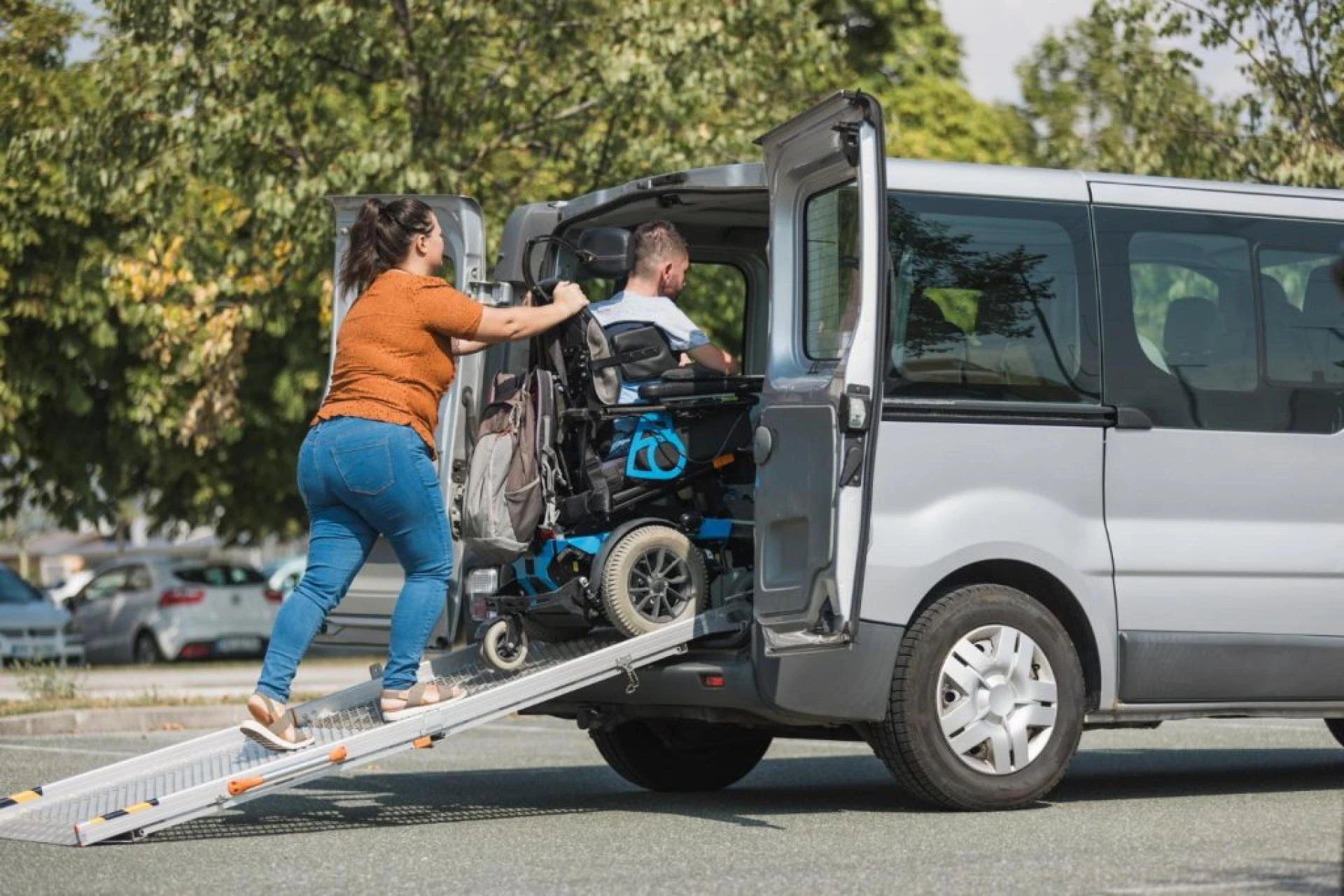

Getting to a doctor’s appointment should be simple. Yet for many older adults, patients recovering from surgery, or people managing mobility limitations, the trip itself can become the hardest part of the day. A ten-minute drive suddenly involves stairs, awkward car entries, traffic stress, or the uncomfortable feeling of depending on someone else’s schedule.
That’s exactly the gap non-emergency transportation services were designed to fill. Not ambulances, not taxis, something in between. A service that understands the pace of patients, the realities of recovery, and the quiet dignity people want when they travel to medical care.
Across Massachusetts, providers such as Brockton Transportation have built their reputation around this idea: a ride to a medical appointment should feel supportive, not stressful.
Below are some essential ways non-emergency medical transportation genuinely helps patients, and, just as importantly, their families.
1. Reliable Access to Medical Care
Healthcare only works when patients can actually reach it. That sounds obvious, but missed appointments remain one of the most common disruptions in on-going treatment. Sometimes the reason isn’t health at all; it’s transportation. For example, a car that won’t start, a family member stuck at work, and a rideshare that cancels last minute.
Scheduled medical transportation removes that uncertainty. The ride is planned around the appointment, not the other way around. For patients with routine checkups, therapy sessions, or specialist visits, that consistency keeps treatment moving forward without interruption.
2. Safer Travel for People with Limited Mobility
Getting in and out of a regular vehicle can be surprisingly difficult when you’re using a walker, crutches, or simply dealing with joint pain. Standard transportation doesn’t account for those challenges. Medical transport does.
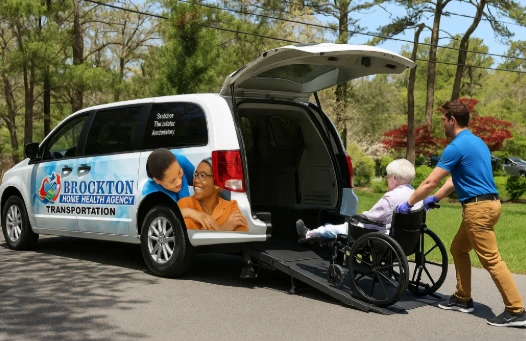
Drivers are trained to assist passengers who need a steady hand or extra time stepping into the vehicle. Small things, like positioning the vehicle properly or helping secure mobility aids, make the ride safer from the moment the patient leaves the front door.
3. Less Stress on Family Caregivers
Family members often take on the role of driver by default. At first it feels manageable.
But when appointments become frequent, weekly therapy sessions, follow-ups after surgery, regular clinic visits, that responsibility quietly turns into a scheduling puzzle.
Non-emergency medical transportation changes that dynamic. Families still provide emotional support, of course, but they don’t have to rearrange their entire week around every appointment.
4. Comfortable Travel During Recovery
Post-operative recovery has a rhythm to it. Doctors emphasize rest, careful movement, and avoiding unnecessary strain.
Traveling in a cramped car or navigating busy transit systems works against those instructions. Even something simple like lowering yourself into a low seat can aggravate healing muscles.
Medical transport vehicles are arranged with patient comfort in mind. The ride is smoother, entry and exit are easier, and the overall experience feels calmer. For someone recovering from surgery, that difference can turn a stressful outing into a manageable one.
5. A Sense of Independence for Seniors
Many seniors view driving as a symbol of independence. When that ability fades, the emotional impact can be surprisingly heavy. No one enjoys asking for a ride every time they need to see a doctor.
Medical transportation restores a bit of autonomy. Seniors can schedule their own rides and keep their appointments without relying entirely on family or neighbors. The process remains respectful and straightforward, exactly the way most people prefer it. Sometimes independence returns in small steps like that.
Why Transportation Matters More Than It Seems?
Transportation rarely shows up in conversations about healthcare, yet it quietly determines whether many patients receive the care they need. When getting to an appointment becomes complicated, treatment often slips through the cracks.
Non-emergency medical transportation solutions (like wheelchair transportation in Massachusetts) help fill a much-needed gap for elderly people who are recovering from their injuries or illnesses by providing these individuals with a dependable means to access the medical care they require to maintain their good health.

























Sign in to leave a comment.