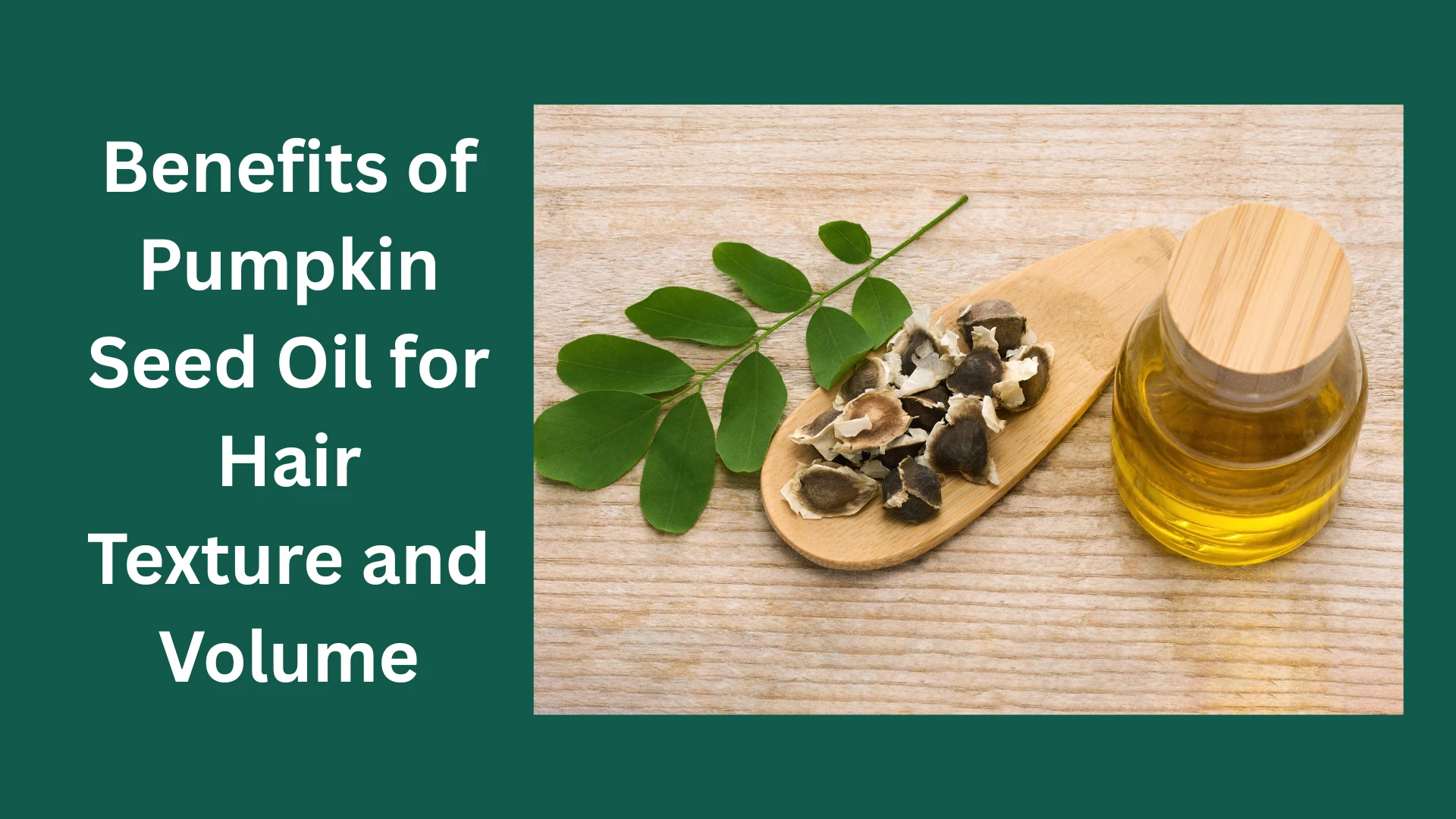

Healthy, vibrant hair is often seen as a reflection of overall wellness and confidence. The search for natural hair care remedies has led many people toward nutrient-rich plant oils, and one ingredient gaining remarkable attention is pumpkin seed oil for hair. Extracted from the seeds of pumpkins, this golden-green oil is loaded with vitamins, minerals, and essential fatty acids that contribute to stronger, fuller, and shinier hair.
This detailed guide explores the unique properties of pumpkin seed oil, its influence on hair texture and volume, and how you can incorporate it into your hair care routine effectively.
1. Understanding Pumpkin Seed Oil and Its Nutrient Power
Pumpkin seed oil, also known as Cucurbita pepo oil, is a cold-pressed oil derived from roasted pumpkin seeds. This oil has been used for centuries in traditional medicine to support scalp health and improve hair resilience.
It’s a rich source of:
- Zinc – essential for hair tissue growth and repair.
- Vitamin E – a potent antioxidant that helps protect hair follicles from damage.
- Omega-3 and Omega-6 fatty acids – support the scalp barrier, moisture retention, and elasticity.
- Phytosterols – plant compounds that may reduce hair thinning by blocking DHT, a hormone linked to hair loss.
- Magnesium and Iron – vital minerals that contribute to stronger hair strands and improved follicle function.
Together, these nutrients nourish the scalp, encourage follicle strength, and give the hair shaft better texture and body.
2. How Pumpkin Seed Oil Enhances Hair Texture
Texture refers to how hair feels and behaves—whether it’s coarse, fine, wavy, or straight. Over time, damage from styling, pollution, or harsh products can leave hair rough and uneven. Pumpkin seed oil helps to restore natural softness and smoothness in several ways:
a. Deep Moisturization
The essential fatty acids in pumpkin seed oil penetrate the hair shaft, restoring hydration to dry or brittle strands. Unlike heavy mineral oils that sit on the surface, this oil absorbs easily, leaving hair soft and flexible without weighing it down.
b. Strengthening the Hair Cuticle
The oil’s vitamins and antioxidants strengthen the hair cuticle—the outer protective layer of each strand. A healthy cuticle reflects light better, making hair look smoother and shinier.
c. Balancing Scalp Health
A healthy scalp environment is the foundation of good texture. Pumpkin seed oil’s anti-inflammatory and antimicrobial properties calm irritation, balance sebum production, and support natural scalp microbiota. This balance helps prevent frizz and flakiness, resulting in healthier-looking hair.
d. Repairing Damage
Repeated exposure to styling heat or chemical treatments weakens hair fibers. The linoleic acid and vitamin E in pumpkin seed oil help repair this structural damage, gradually restoring a smoother and silkier texture over time.
3. Promoting Hair Volume and Fullness
Beyond improving texture, pumpkin seed oil also contributes to greater volume—making hair appear thicker and fuller.
a. DHT Blocking Activity
Dihydrotestosterone (DHT) is a byproduct of testosterone that can shrink hair follicles and lead to thinning. Pumpkin seed oil contains phytosterols that naturally inhibit the 5-alpha-reductase enzyme responsible for converting testosterone into DHT. Studies suggest that regular topical or oral use can reduce hair loss and encourage regrowth.
b. Stimulating Blood Flow to the Scalp
Improved circulation means better nutrient delivery to hair follicles. The zinc and magnesium in pumpkin seed oil promote healthy blood flow, awakening dormant follicles and enhancing strand density.
c. Nourishing Hair Follicles from Within
With consistent use, the oil fortifies follicles and extends the hair’s growth phase (anagen phase). This results in thicker individual strands and visibly improved volume.
d. Reducing Breakage
Hydrated, elastic hair resists breakage and shedding. The amino acids in pumpkin seed oil reinforce the inner structure of hair strands, helping them withstand daily wear and tear.
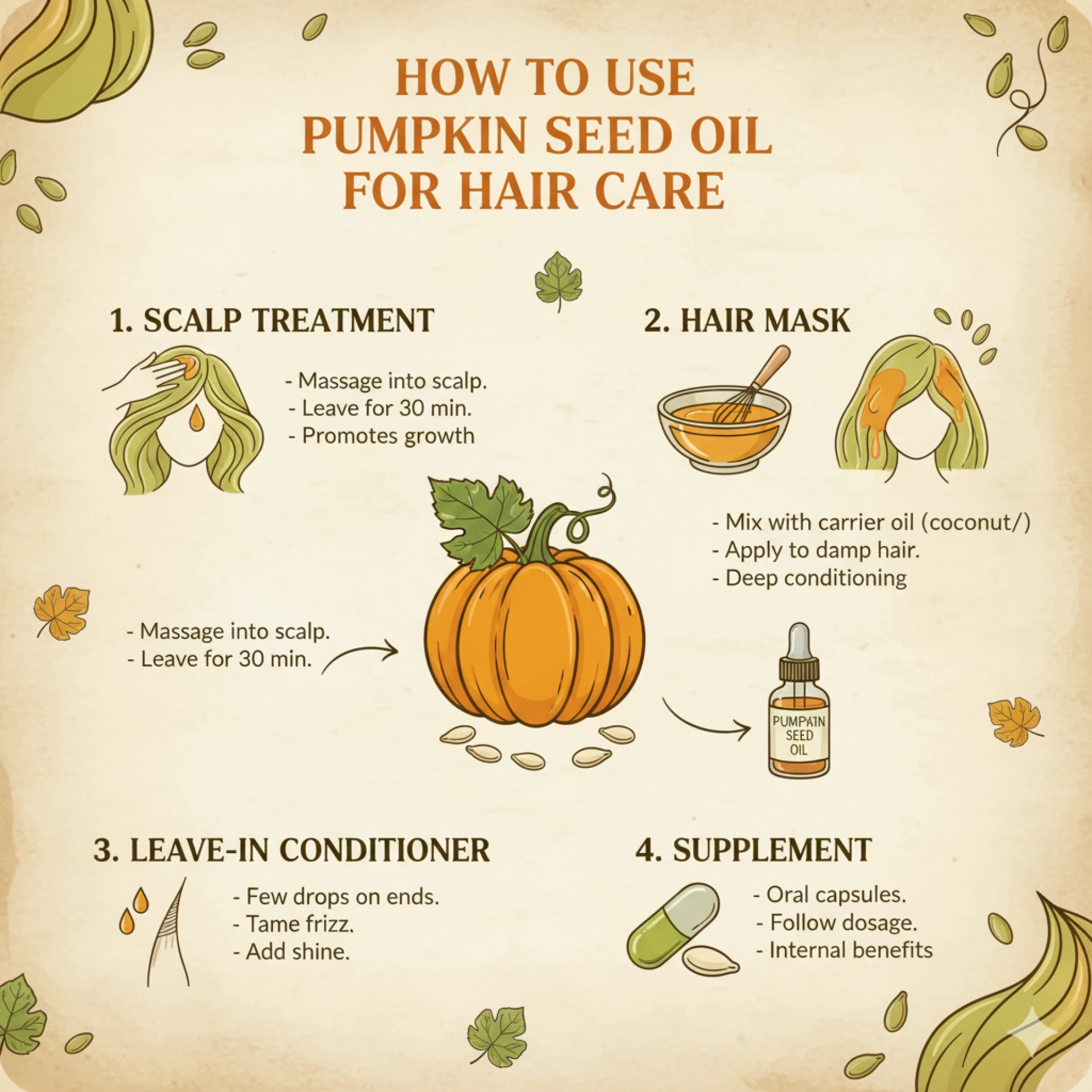
4. How to Use Pumpkin Seed Oil for Hair Care
Incorporating pumpkin seed oil into your routine doesn’t require a complicated regimen. A few drops used consistently can create visible results over time.
a. As a Pre-Shampoo Treatment
Warm a small amount of pumpkin seed oil and massage it into your scalp. Leave it on for 30–45 minutes before washing. This helps loosen buildup, nourish follicles, and protect hair during cleansing.
b. Mixed into Hair Masks
Combine pumpkin seed oil with ingredients like aloe vera gel, honey, or yogurt for an intensive moisturizing mask. Apply it from roots to tips, leave for 20 minutes, then rinse thoroughly.
c. Leave-In Shine Serum
Apply 2–3 drops of pumpkin seed oil to damp hair ends to smooth frizz, seal split ends, and add natural shine. It can replace silicone-based serums for a cleaner, plant-based finish.
d. Internal Supplementation
Pumpkin seed oil capsules are available as dietary supplements. They can complement topical treatments by supplying internal nourishment that supports hair and scalp vitality. Always consult a healthcare provider before starting any supplement.
5. Pairing Pumpkin Seed Oil with Other Natural Oils
Blending pumpkin seed oil with other nutrient-rich oils can create a balanced formula for various hair concerns:
- Castor oil: Boosts thickness and slows hair fall.
- Argan oil: Adds shine and reduces frizz.
- Coconut oil: Deeply hydrates and improves elasticity.
- Rosemary essential oil: Stimulates follicles for growth.
These combinations amplify the oil’s impact and can be customized for different hair types—fine, coarse, curly, or color-treated.
6. Scientific Insights Supporting Pumpkin Seed Oil
Research indicates that pumpkin seed oil may influence hair growth through hormonal and nutritional mechanisms. A 2014 clinical study published in Evidence-Based Complementary and Alternative Medicine found that men who consumed pumpkin seed oil daily experienced increased hair growth compared to a placebo group.
Although the research primarily focused on oral supplementation, topical applications have shown similar benefits for scalp health and follicle nourishment. The oil’s phytosterol and antioxidant content are believed to support follicle function and mitigate oxidative stress, one of the leading causes of premature hair thinning.
7. Who Can Benefit from Pumpkin Seed Oil
This oil suits most hair types and can be particularly beneficial for:
- Individuals experiencing early signs of thinning or hair loss.
- Those with dry, brittle, or frizzy hair.
- People with sensitive scalps prone to irritation.
- Anyone seeking a natural alternative to synthetic serums and conditioners.
Pumpkin seed oil’s lightweight yet nutrient-dense profile makes it a versatile choice for daily or weekly use.
8. Safety and Storage Tips
Pumpkin seed oil is generally safe for topical use, but conducting a patch test before applying it to the scalp is recommended, especially for those with sensitive skin. Store the oil in a cool, dark place to preserve its nutrients and prevent oxidation. Cold-pressed, unrefined varieties retain the most active compounds and deliver better results.
9. How Long Before You See Results
Visible improvement in hair texture and volume usually takes about 8–12 weeks of consistent use. Factors such as diet, stress levels, and existing scalp conditions also influence outcomes. Regular use paired with a balanced lifestyle supports the best possible results.
10. Sustainable and Ethical Aspects
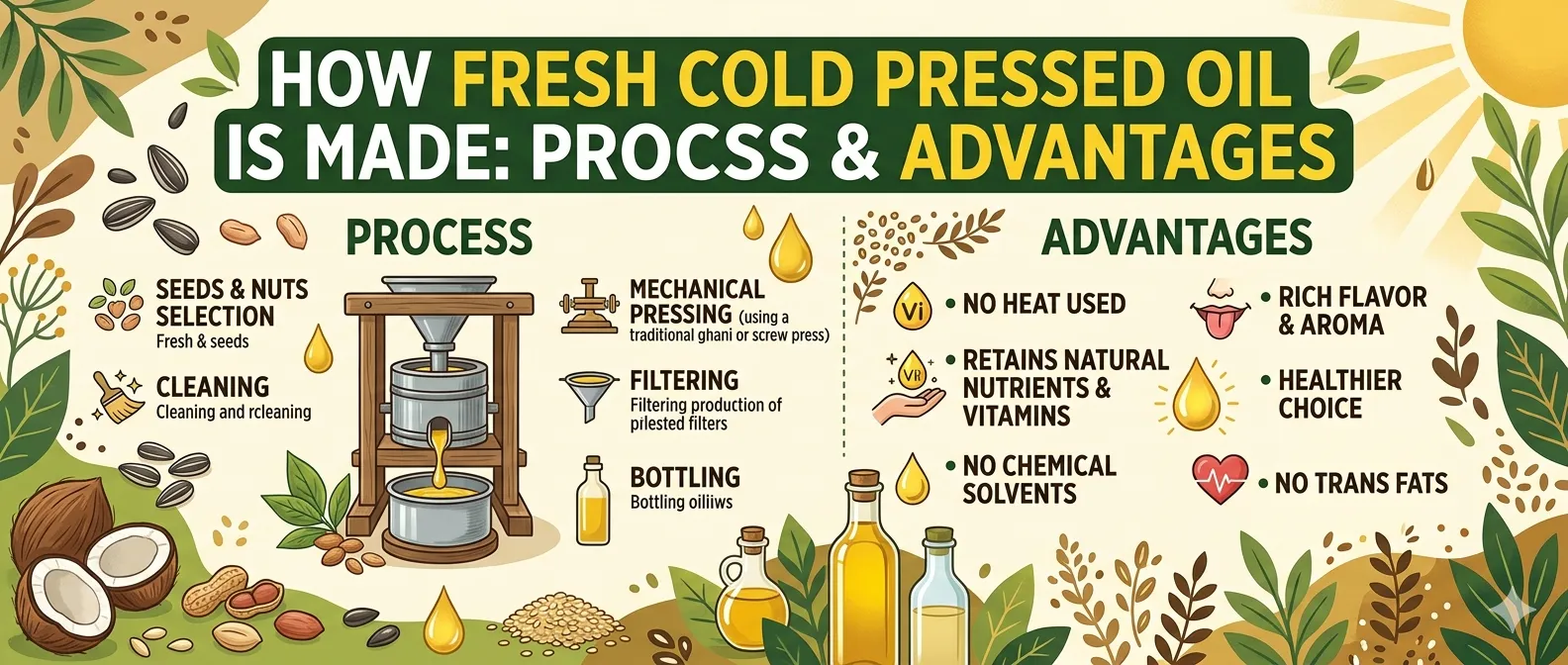
Pumpkin seed oil is plant-derived and biodegradable, aligning with eco-friendly hair care practices. Many brands produce it through cold-press extraction without chemical solvents, preserving purity while supporting sustainable farming systems. Choosing ethically sourced pumpkin seed oil encourages environmentally conscious self-care.
FAQ’s
1. Can pumpkin seed oil be applied directly to the scalp?
Yes. It can be massaged directly into the scalp. Use a few drops, leave it on for at least 30 minutes, and rinse with a mild shampoo.
2. How often should I use pumpkin seed oil for visible results?
Two to three times a week is ideal. Consistency plays a key role in improving hair strength and volume.
3. Can I mix pumpkin seed oil with other oils?
Absolutely. Blending it with coconut, castor, or argan oil can enhance nourishment and shine.
4. Does pumpkin seed oil cause any side effects?
Allergic reactions are rare. If irritation occurs, discontinue use and consult a dermatologist.
5. Can pumpkin seed oil help with male or female pattern hair loss?
Preliminary studies suggest that its DHT-blocking properties may help slow down hair thinning in both men and women.
6. Should I use it before or after washing my hair?
It works well both ways—as a pre-wash treatment for deep nourishment or as a post-wash serum for shine and frizz control.
7. How do I know if my pumpkin seed oil is pure?
Pure pumpkin seed oil typically has a deep green color, nutty aroma, and thicker consistency. Look for cold-pressed, unrefined options.
Final Thoughts
Pumpkin seed oil stands out as a natural solution for improving both hair texture and volume. Its unique blend of nutrients supports stronger strands, a balanced scalp, and renewed vitality. Whether used topically or internally, it nourishes from root to tip, promoting a healthier, fuller, and more lustrous mane—without the need for synthetic additives or harsh treatments.


























Sign in to leave a comment.