
The pharmaceutical industry is highly competitive and requires significant investment in research, development, production, and regulatory compliance. For many pharmaceutical companies, building and maintaining their own manufacturing facilities can be expensive and time-consuming. As a result, many businesses are turning to third party pharma manufacturing, also known as contract manufacturing, to streamline operations and focus on their core strengths.
Third party pharma manufacturing involves outsourcing the production of pharmaceutical products to a specialized manufacturing company. These manufacturers produce medicines according to the client company’s specifications, formulations, and branding. This approach has become increasingly popular among pharmaceutical companies because it offers numerous advantages, including cost savings, faster product launches, and improved efficiency.
Cost Efficiency and Reduced Investment
One of the biggest advantages of third party pharma manufacturing is the significant reduction in capital investment. Establishing a pharmaceutical manufacturing facility requires large investments in equipment, infrastructure, skilled labor, and regulatory approvals. By outsourcing production to a third party manufacturer, pharmaceutical companies can avoid these expenses and operate with a lower financial burden.
This cost-efficient model allows companies to allocate more resources to critical areas such as research and development, marketing, and product innovation. For small and mid-sized pharmaceutical businesses, this approach provides an opportunity to grow without the heavy costs associated with building a full manufacturing unit.
Focus on Core Business Activities
Pharmaceutical companies must handle several complex operations, including research, clinical trials, regulatory approvals, and marketing strategies. Managing manufacturing internally can divert valuable time and resources away from these essential activities.
By partnering with a third party manufacturer, companies can focus more on product development, brand building, and expanding their market presence. Outsourcing manufacturing allows pharmaceutical companies to concentrate on their core competencies while leaving the production process to experienced professionals.
This improved focus can lead to greater innovation, better product development, and stronger competitive positioning in the pharmaceutical market.
Access to Advanced Technology and Expertise
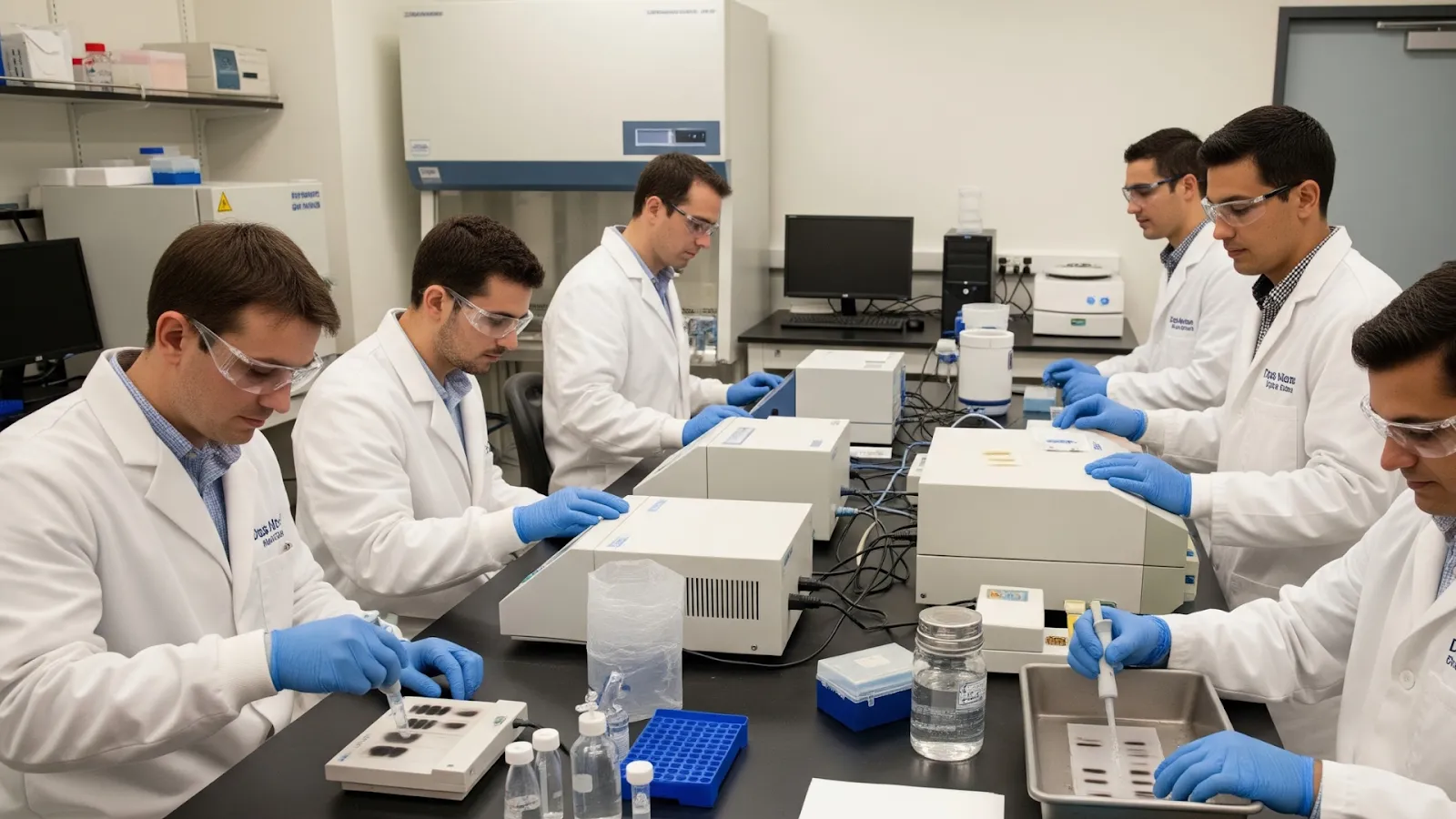
Third party pharma manufacturing companies typically operate with advanced technology, modern equipment, and experienced professionals. These manufacturers specialize in pharmaceutical production and follow strict industry standards to ensure high-quality medicines.
Working with an experienced manufacturing partner allows pharmaceutical companies to benefit from advanced production techniques without investing in expensive technology themselves. Many contract manufacturers also provide technical support, formulation expertise, and quality assurance services to ensure that products meet international regulatory standards.
This access to expertise improves product quality and helps pharmaceutical companies maintain strong credibility in the healthcare market.
Faster Time-to-Market
Speed is crucial in the pharmaceutical industry, especially when launching new medicines or responding to changing healthcare demands. Building a manufacturing plant and obtaining the necessary regulatory approvals can take years.
Third party manufacturers already have established facilities, trained staff, and approved production systems. This allows pharmaceutical companies to begin manufacturing quickly and launch products in the market faster.
A faster time-to-market helps companies gain a competitive advantage and respond quickly to emerging healthcare needs.
Scalability and Flexibility
Market demand for pharmaceutical products can change rapidly due to seasonal illnesses, new medical discoveries, or global health situations. Third party pharma manufacturing offers flexibility that allows companies to increase or decrease production based on market demand.
Contract manufacturers have the infrastructure and workforce to handle varying production volumes. This scalability helps pharmaceutical companies manage demand efficiently without worrying about idle production capacity or resource shortages.
Such flexibility is particularly beneficial for companies launching new products or expanding into new markets.
Regulatory Compliance and Quality Assurance
Pharmaceutical manufacturing requires strict adherence to regulatory guidelines and quality standards. Third party manufacturers typically operate under internationally recognized certifications such as WHO-GMP, ISO, and other regulatory approvals.
These manufacturers follow strict quality control procedures throughout the production process, ensuring that medicines are safe, effective, and compliant with industry regulations.
By partnering with a certified manufacturing company, pharmaceutical brands can ensure that their products meet regulatory requirements while maintaining a strong reputation in the healthcare sector.
Opportunity for Product Diversification
Third party pharma manufacturing also allows companies to expand their product portfolios without investing in specialized manufacturing units. Many contract manufacturers offer production services for various dosage forms such as tablets, capsules, syrups, ointments, and injections.
This flexibility enables pharmaceutical companies to introduce multiple products in different therapeutic segments and reach a broader customer base. Companies can experiment with new formulations and expand their product lines with minimal financial risk.
Reduced Operational Risk
Pharmaceutical manufacturing involves various operational risks, including regulatory issues, production errors, and quality control challenges. Third party manufacturers are experienced in handling these risks and have well-established systems for managing compliance, documentation, and quality assurance.
By outsourcing manufacturing to experts, pharmaceutical companies can minimize operational risks and ensure that production processes run smoothly and efficiently.
Reliable Manufacturing Partner for Pharmaceutical Brands
If you are looking for a Reliable Third Party Pharma Manufacturing Company, choosing the right partner is essential for ensuring quality, efficiency, and regulatory compliance. An experienced manufacturer with modern facilities and skilled professionals can help pharmaceutical businesses produce high-quality medicines, expand their product portfolio, and achieve faster market growth through dependable contract manufacturing services.
Conclusion
Third party pharma manufacturing has become a strategic solution for pharmaceutical companies looking to grow efficiently while maintaining high quality standards. By outsourcing production to specialized manufacturers, companies can reduce operational costs, focus on innovation, and bring products to market faster.
This manufacturing model also offers flexibility, access to advanced technology, and compliance with global regulatory standards. As the pharmaceutical industry continues to expand, third party manufacturing will play an increasingly important role in helping companies scale their operations and deliver high-quality medicines to patients worldwide.























Sign in to leave a comment.