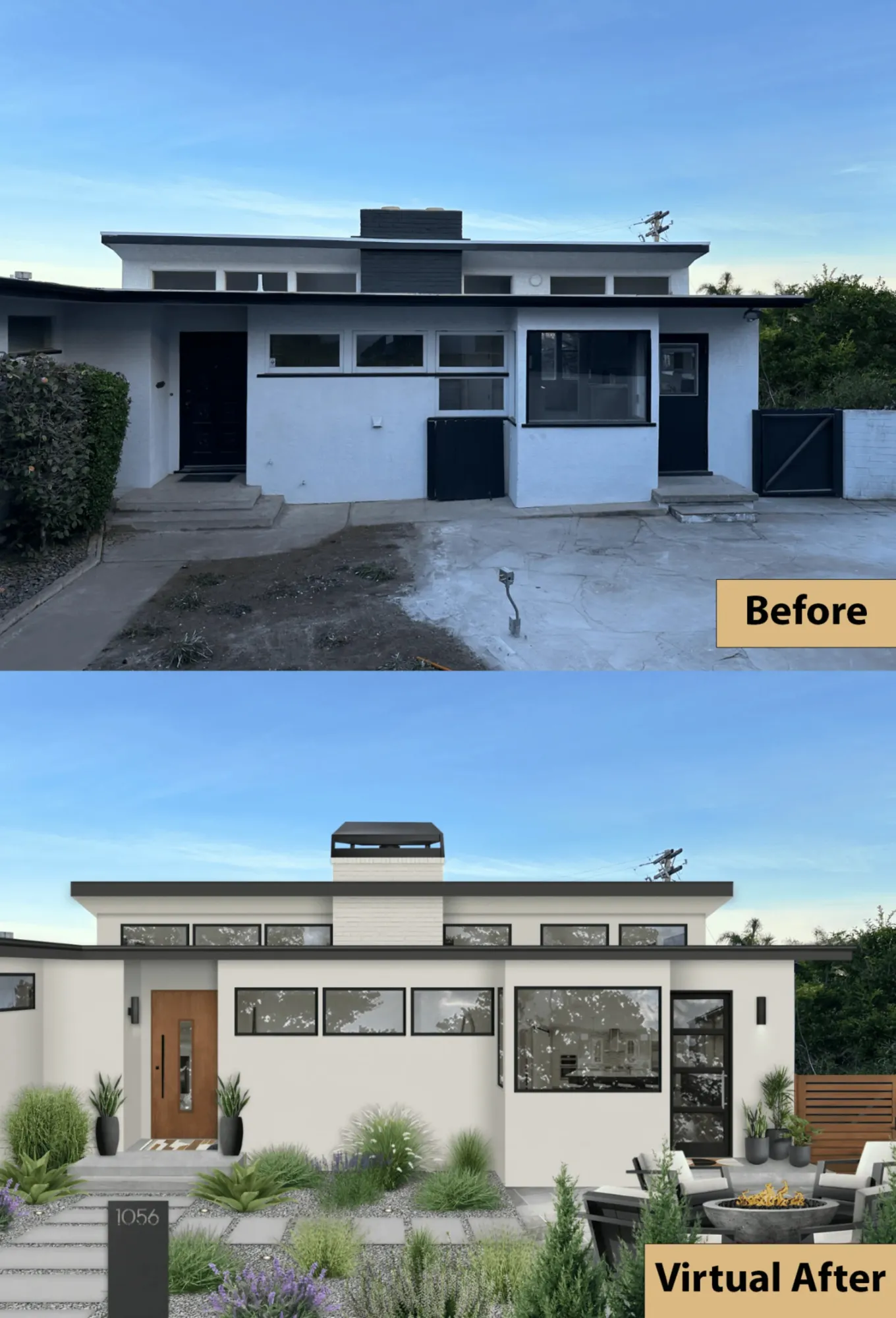

In today’s home improvement landscape, homeowners are increasingly looking for ways to plan exterior renovations with greater confidence and clarity before committing to physical changes. One of the most effective approaches supporting this shift is virtual home design, a method that transforms simple property photos or architectural plans into realistic digital renderings of what a finished exterior could look like. This approach has become especially valuable for exterior remodeling projects, where decisions about materials, colors, and structural details have long-term visual and financial impact.
A structured design process allows homeowners to explore multiple possibilities for their property’s exterior without the pressure of immediate construction decisions. Instead of relying on imagination or isolated inspiration images, they can see a tailored visual representation of their own home with proposed updates. This makes planning more practical, strategic, and aligned with real-world execution.
Improved Visualization Before Construction Starts
One of the most significant advantages of virtual home design is the ability to clearly visualize the outcome of a renovation before any physical work begins. Exterior improvements often involve multiple design layers, including paint selection, siding materials, roofing tones, lighting placement, and architectural enhancements. Without a visual reference, it can be difficult for homeowners to understand how these elements will work together.
Virtual renderings solve this challenge by presenting a cohesive and realistic preview of the updated exterior. Homeowners can see how different styles interact with the existing structure, how color palettes affect overall balance, and how design features contribute to the home’s personality. This level of visualization reduces guesswork and allows decisions to be made with greater confidence.
It also helps bridge the gap between ideas and execution. Many homeowners begin with a general concept but struggle to translate it into a unified design direction. A visual representation brings clarity to those ideas, making it easier to refine preferences and finalize a cohesive exterior plan.
Reducing Costly Design Mistakes
Exterior renovations often involve significant investment, and mistakes in planning can lead to unnecessary expenses. Choosing the wrong color scheme, mismatched materials, or poorly scaled architectural additions can result in dissatisfaction after construction is complete. Correcting such issues post-build is typically far more expensive and disruptive than preventing them during the design phase.
Virtual home design plays a key role in minimizing these risks. By previewing multiple design options digitally, homeowners can identify potential issues early. For example, a paint color that seemed appealing in isolation may appear too harsh or too muted when applied to the full exterior. Similarly, certain material combinations may clash when viewed as a complete design.
This early-stage evaluation helps eliminate uncertainty and ensures that every decision is tested visually before implementation. As a result, homeowners are less likely to encounter regret or unexpected outcomes once construction begins. The process effectively functions as a safeguard against design misalignment and financial waste.
Enhancing Curb Appeal Strategically
Curb appeal is one of the most important aspects of exterior home improvement, influencing both personal satisfaction and property perception. A well-designed exterior creates a strong first impression and contributes to the overall character of the home. However, achieving a balanced and appealing design requires more than simply choosing attractive materials or colors.
With virtual home design, curb appeal improvements can be approached strategically. Homeowners can experiment with different combinations of architectural enhancements, landscaping layouts, and exterior finishes to determine what creates the most visually appealing result. This includes evaluating proportions, symmetry, and how each design element contributes to the overall aesthetic.
Instead of relying on isolated upgrades, the design process encourages a holistic view of the property. Even small adjustments, such as updating lighting fixtures or refining entryway details, can be assessed in the context of the entire exterior. This ensures that every improvement contributes meaningfully to a cohesive and polished final appearance.
Streamlining Communication with Contractors
Clear communication is essential during any renovation project, especially when multiple professionals are involved in execution. Misunderstandings about design intent can lead to errors, delays, and additional costs. One of the challenges homeowners often face is translating their vision into instructions that contractors can accurately follow.
Virtual home design helps bridge this communication gap by providing a shared visual reference. Instead of relying solely on verbal descriptions or written notes, homeowners can present a detailed rendering that clearly illustrates the intended outcome. This reduces ambiguity and ensures that everyone involved in the project is aligned on expectations.
Contractors benefit from this clarity as well, as it allows them to better understand material requirements, design proportions, and layout decisions. It also reduces the need for repeated revisions during construction, helping projects move more efficiently from planning to completion. The result is a smoother workflow and fewer misunderstandings throughout the renovation process.
Increasing Property Value Through Better Planning
Well-executed exterior improvements can significantly enhance property value, but the key to maximizing return lies in careful planning. A cohesive and well-balanced exterior design not only improves aesthetics but also strengthens the overall market appeal of the home. Buyers are often drawn to properties that appear well-maintained and thoughtfully designed.
Virtual home design supports value-driven planning by allowing homeowners to evaluate design decisions in advance. Instead of making isolated upgrades, they can ensure that all improvements work together as part of a unified vision. This holistic approach often results in a more polished and desirable exterior presentation.
Additionally, thoughtful planning helps prioritize upgrades that deliver the most visual and functional impact. Rather than investing in random or disconnected improvements, homeowners can focus on changes that enhance both appearance and long-term value. This strategic approach increases the likelihood of a stronger return on investment when the property is eventually sold.
Conclusion: Why Virtual Home Design Is a Smart Investment for Homeowners
Exterior home improvements require careful decision-making, as they directly influence both aesthetics and financial value. The use of virtual home design provides a practical and effective way to navigate this process, offering clarity, reducing risk, and improving overall project outcomes.
By enabling homeowners to visualize their property before construction begins, it removes much of the uncertainty traditionally associated with exterior renovations. It also helps avoid costly mistakes, strengthens design cohesion, improves communication with contractors, and supports more strategic investments in curb appeal and property value.
Ultimately, this approach empowers homeowners to move forward with renovation projects with greater confidence and direction. Instead of relying on assumptions or fragmented ideas, they can base decisions on clear, customized visual plans that reflect their property’s true potential.


























Sign in to leave a comment.