Introduction
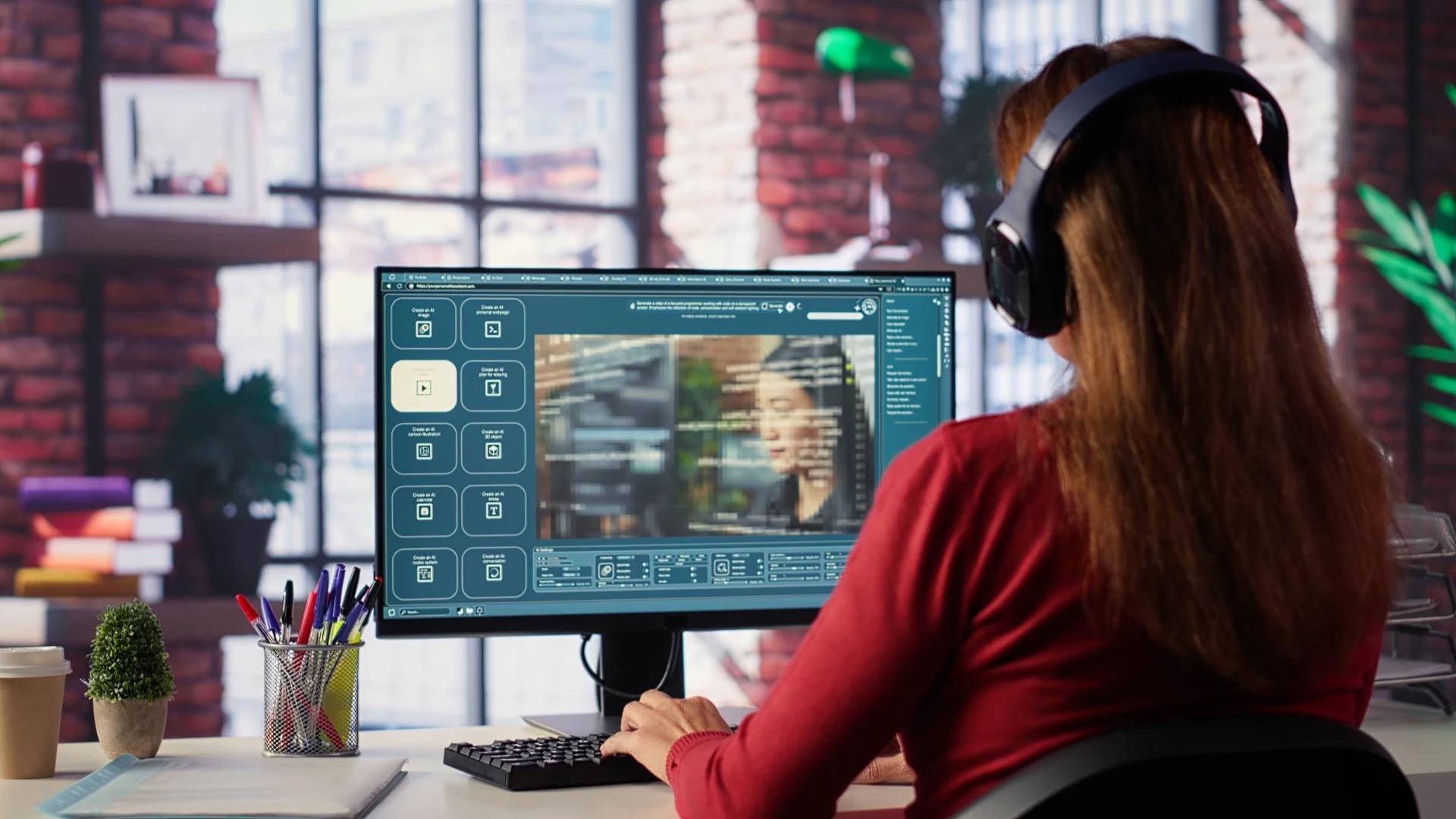
Video surveillance systems have grown from passive recording tools into smart data hubs thanks to the ongoing advancements in video analytics. Using Artificial Intelligence (AI) and machine learning, this technology will immediately process video footage to take meaningful, actionable insights, traditional security and changing business operations across multiple industries.
This guest post will provide you with the useful benefits of adopting video analytics and provide a proper roadmap for optimising its deployment to ensure maximum return on investment, and you can even take help from Next Generation Video Analytics India to get the help needed.
Benefits of Video Analytics
Video analytics moves beyond a human operator's limited capacity to check various screens 24/7. It changes raw video data into reliable business intelligence that drives safety, efficiency, and growth.
Enhanced Security and Proactive Threat Detection
This upgrade significantly enhances the security posture. Video analytics makes surveillance proactive, not just reactive.
- Early Detection of Intruders
Algorithms can be set to check people or vehicles who want to enter restricted zones and trigger real-time alerts, differentiating between legitimate activity and potential threats. This reduces reliance on continuous human vigilance.
- Minimises False Alarms
The in-built AI filters out environmental 'noise' like wind, rain, or animals that can ensure that security personnel only respond to actual threats. It can save valuable time and resources.
- Forensic Investigation
Post-incident analysis is systematic, which ensures investigators can instantly search vast amounts of recorded footage for specific objects, colours, or activities (e.g., "a red car entering the lot between 2 and 4 PM").
Operational Efficiency and Process Optimisation
It provides a proper view of business operations. The information below is about the same.
- Queue Management
In retail or service environments, the system can monitor long lines at checkouts and automatically alert staff to open new registers. It further improves customer experience and reduces wait times.
- Workplace Safety & Compliance
In manufacturing or industrial settings, analytics can check adherence to safety protocols, such as mandatory use of Personal Protective Equipment (PPE), and flag hazardous behaviours or unauthorised entry into dangerous areas in real time.
- Asset and Inventory Analysing
Monitoring the movement of high-value assets or analysing when shelves are empty provides critical data for optimising logistics and preventing stockouts or theft.
Deep Customer and Behavioural Insights
For customer-facing businesses like retail, video analytics is a powerful market research tool which provides insights previously only obtainable through expensive human observation.
- Foot Traffic and Dwell Time
Heat maps reveal where customers spend the most time and which displays or products get the best attention. It thus informs store layout and product placement strategies.
- Conversion Rate Analysis
By counting people entering the store versus those who buy, businesses can better measure the effectiveness of window displays and marketing efforts.
- Demographic Data
Basic demographic data (age, gender, and sometimes emotion) can be analysed to customise in-store experiences, targeted advertisements, and staffing decisions for certain customer segments.
Optimising Video Analytics Deployment
Deploying a video analytics system requires a thoughtful strategy that goes beyond simply installing new software. Proper planning and optimisation are vital for achieving the best performance and cost-efficiency.
1. Define Clear, Specific Use Cases
Before procurement, clearly define what you need the system to do. A common downfall is deploying a basic solution hoping it will solve all problems.
- Targeted Analytics
Don't enable every feature for every camera. For a loading dock, focus on intruders and vehicle tracking; for a retail floor. It prioritises people counting and dwell time. This focus reduces computational load and minimises data noise.
- Accuracy Thresholds
Understand that no AI model is 100% accurate. Check the acceptable level of false positives and negatives for each use case (e.g., a high-security area demands a higher accuracy threshold than a general public lobby).
2. Strategic Camera Placement and Configuration
The quality of the input video directly impacts the accuracy of the analytics. Poor camera configuration is the first reason for underperforming systems.
- Optimal Field of View
Ensure cameras have a clear, unobstructed view of the target area. Obstacles, reflections, and poor lighting can majorly degrade analytical performance.
- Distance and Resolution
The camera's resolution and its distance from the target object must be right for the task. For facial recognition or licence plate reading, you need a higher pixel density than for simple people-counting.
- Illumination Management
Deploy systems with built-in IR (infrared) for low-light conditions, but be mindful of reflections from rain or snow. Adequate, constant lighting is critical for correct object detection.
3. Edge vs. Cloud Processing: Bandwidth Optimisation
One of the vital deployment decisions is where the video processing occurs. A hybrid approach frequently provides the best balance of speed, scalability, and cost.
- Edge Computing
Processing data at the camera level (on the 'edge') or on a local server before sending it to the cloud, which optimises bandwidth. The camera sends only metadata (e.g., "Person detected at 14:05") or compressed clips, not the full high-resolution video stream 24/7. This reduces latency and improves real-time response.
- Cloud for Centralised Analysis
The cloud is best for long-term storage, centralised dashboard reporting, and running complex, high-demand analysis (like machine learning model retraining) across multiple locations.
4. Data Privacy and Compliance
As video analytics frequently includes processing personally identifiable information (PII), strict adherence to regulations like GDPR or CCPA is non-negotiable.
- Privacy by Design
You can use features like dynamic privacy masking, which obscures faces or licence plates in the video feed while still allowing the analytics to detect behaviour.
- Data Retention Policies
Clearly define and automate data deletion workflows to ensure video footage and associated PII are not retained longer than legally necessary.
Conclusion
Video analytics is no longer just a technology; it is a fundamental aspect of modern business intelligence. By defining your objectives and optimising your hardware and network configuration, you can see the entire potential of your video space. In this article you can get help from a video analytics company in India to get better assistance. This smart deployment strategy will not only fortify your security but also provide data-driven insights needed to streamline the operations, improve the customer experience, and ultimately drive profitability in a highly competitive landscape.




























Sign in to leave a comment.