
Water is essential for life. It makes up a large portion of our bodies and plays a crucial role in countless bodily functions. Yet, the quality of the water we drink can significantly impact our health and well-being. This is where water filtration comes in.
Water filtration is the process of removing impurities and contaminants from water, leaving behind cleaner and healthier water for consumption. While municipal water treatment plants strive to provide safe drinking water, contaminants can still be present. Water filtration offers an extra layer of protection, ensuring you get the most out of your water.
Why Choose Water Filtration?
There are numerous benefits to incorporating water filtration into your daily routine. Here are some of the key reasons to consider investing in a water filtration system:
- Improved Taste and Odor: Municipal water treatment often involves adding chlorine or other disinfectants to kill bacteria. While effective, these chemicals can leave an unpleasant taste and odor in the water. Water filtration removes these chemicals, resulting in fresher-tasting, more enjoyable water.
- Reduced Impurities: Water can contain various impurities, such as sediment, lead, mercury, and chlorine byproducts. These impurities can have negative health effects. Water filtration systems utilize different filtration technologies to target and remove these contaminants, providing cleaner and healthier water for drinking, cooking, and other household uses.
- Potential Health Benefits: Studies suggest that drinking filtered water may offer various health benefits. Removing chlorine and its byproducts from water may be linked to a reduced risk of certain cancers. Additionally, filtered water can help improve skin health, prevent muscle cramps, and potentially even contribute to regulating blood pressure. It\'s important to note that more research is needed to definitively establish these connections.
- Cost-Effective: Bottled water can be expensive and contributes significantly to plastic waste. By installing a water filtration system, you can enjoy clean, healthy drinking water at a fraction of the cost of bottled water. This is a more sustainable and environmentally friendly option in the long run.
- Convenience: Having readily available filtered water at home eliminates the need to constantly purchase bottled water. It\'s convenient for drinking, cooking, making coffee and tea, and other household uses that require clean water.
Types of Water Filtration Systems
There are various water filtration systems available, each with its own advantages and disadvantages. Here\'s a breakdown of some popular options:
- Activated Carbon Filters: These filters use activated carbon, a highly absorbent material, to remove chlorine, chloramines, and other impurities that can affect taste and odor. They are relatively inexpensive but may not be effective in removing all contaminants.
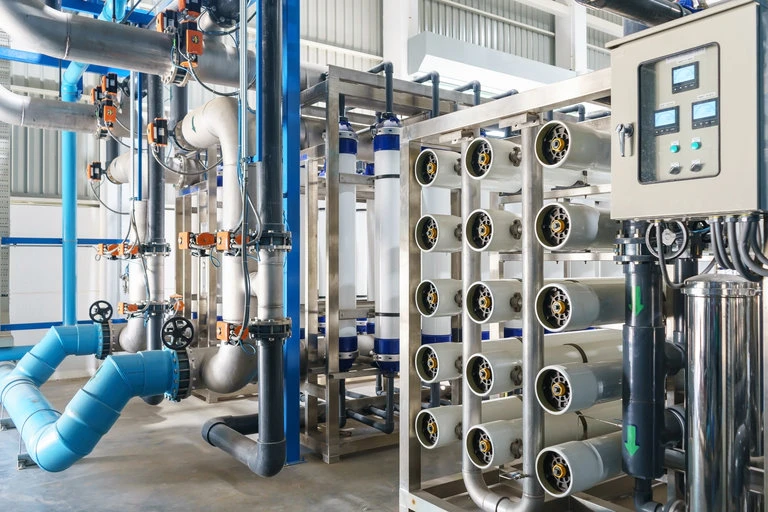
- Reverse Osmosis (RO) Systems: RO systems utilize a semipermeable membrane to remove a wide range of contaminants, including dissolved minerals, heavy metals, and bacteria. They produce very clean water, but they can also be more expensive and may waste some water during the filtration process.
- Distillation: Water distillation involves boiling water and collecting the steam, which condenses back into pure water. This method effectively removes most contaminants but requires significant energy and is not as practical for everyday use.
- Pitcher Filters: These portable filters are a convenient option for filtering small amounts of water at a time. They typically use activated carbon filters and are ideal for single individuals or those with limited counter space.
- Whole House Water Filtration Systems: These systems filter all the water entering your home, providing clean water for drinking, showering, and other household uses. They are a significant investment but offer the most comprehensive filtration solution.
Finding the Best Water Filtration System for You
With so many water filtration options available, choosing the best one for your needs can feel overwhelming. Here are some factors to consider when making your decision:
- Your Water Quality: Have your water tested to identify the specific contaminants present in your water supply. This will help you determine the type of filtration system required to address your concerns. There are home testing kits available, or you can contact your local water authority for information on your water quality.
- Your Budget: Water filtration systems range in price from affordable pitcher filters to more expensive whole-house systems. Determine your budget and choose an option that fits comfortably within your means.
- Your Needs: Consider how much water you typically consume and for what purposes. If you primarily need filtered water for drinking, a smaller filter might suffice. If you want filtered water for all household uses, a whole-house system may be a better choice.
- Maintenance Requirements: Different water filtration systems have varying maintenance needs. Some require regular filter replacements, while others may need occasional cleaning or disinfection. Choose a system with maintenance procedures you can easily manage.
Benefits of Water Filtration: Clean and Healthy Drinking Water
- Change Filters Regularly: Regularly changing your water filters is crucial for optimal performance. The frequency of filter replacement will depend on the specific type of filter and your water usage. Neglecting filter changes can lead to decreased filtration efficiency and even contaminate the filtered water.
- Clean Your System: Some water filtration systems, particularly those with pre-filters, require periodic cleaning to maintain proper functionality. Refer to the manufacturer\'s instructions for cleaning procedures.
- Consider Additional Features: Some water filtration systems offer additional features, such as indicators that notify you when it\'s time to change the filter, or the ability to adjust the level of filtration depending on your needs.
The Environmental Impact of Water Filtration
While water filtration systems themselves require some resources and maintenance, they can contribute to a more sustainable lifestyle by reducing reliance on bottled water. Bottled water production and transportation have a significant environmental footprint, generating plastic waste and greenhouse gas emissions. By choosing water filtration, you can significantly reduce your plastic consumption and contribute to a healthier planet.
Conclusion
Water filtration offers a multitude of benefits for your health, wallet, and the environment. By investing in a water filtration system, you can ensure you and your family have access to clean, healthy drinking water. Consider your specific water quality, budget, and needs when choosing the best water filtration system for you. With a little research and planning, you can find a water filtration solution that provides optimal benefits for a healthier and more sustainable lifestyle.





























Sign in to leave a comment.