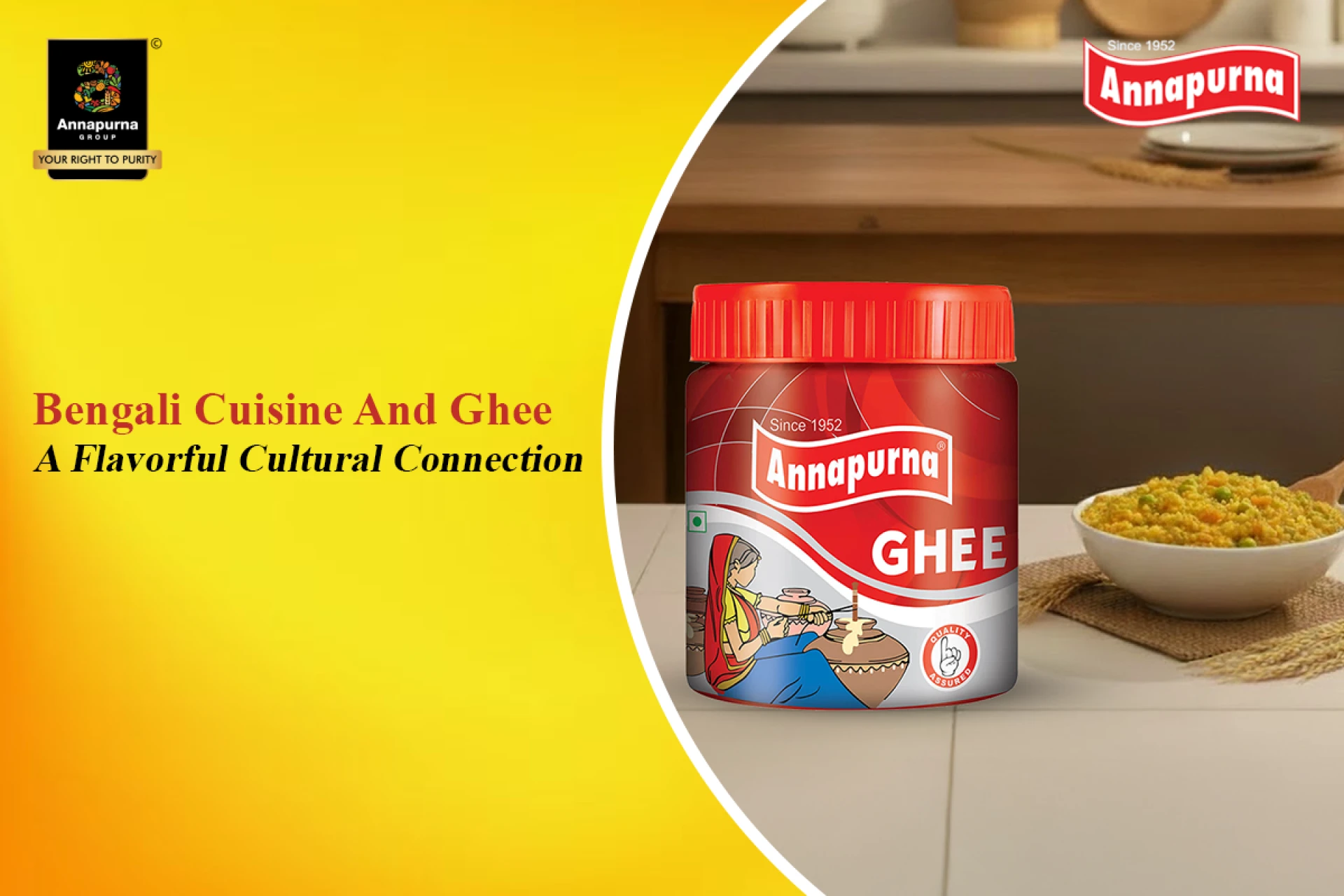

Rice, sweets, and hearty flavours define Bengali food. But one ingredient sits at the heart of this culinary culture: ghee. In Bengal, a special form of clarified butter called Gawa Ghee is deeply woven into everyday meals and festive dishes. If you are comparing the Best ghee in NCR with the flavors you grew up with, nothing quite matches how ghee pairs with Bengali cuisine. When you think of the Best Ghee in West Bengal, imagine an ingredient that brings warmth, aroma, and rich tradition to the table.
This article explores how ghee shaped Bengali food, why it remains so loved, and why its role is far greater than taste alone.
What Is Gawa Ghee?
Gawa Ghee is a traditional type of clarified butter made from cow’s milk through a slow cooking process. The result is a brown-tinted ghee with a nutty aroma and a rich taste that stands apart from regular ghee. It carries a distinct flavour and texture that enhance the simplest dish. Gawa Ghee is often richer in natural vitamins like A, D, E, and K and offers healthy fats that support traditional cooking styles.
In Bengali homes, this ghee is a cultural staple, from everyday meals like plain rice to celebratory sweets made during festivals and family gatherings.
A Cultural Staple in Bengali Kitchens
In Bengal, food is an expression of life, and ghee is its voice. Gawa Ghee plays an integral role in both savoury and sweet dishes. It’s common to see it drizzled generously over hot rice, added to lentils, or used in the tempering of spices. Its rich aroma and smooth taste bring depth and warmth to every bite.
This tradition goes far beyond flavour. Ghee connects generations. Elders teach young cooks how much to add to a dish. Grandmothers remember meals that would not be complete without ghee. It’s more than food; it’s family heritage.
The Role of Ghee in Iconic Bengali Dishes
Many Bengali dishes highlight Gawa Ghee in ways that are as emotional as they are culinary. Here’s how this ingredient shines:
Rice and Dal
A spoonful of ghee over steaming rice and lentils makes the simple meal rich and soulful.
Khichdi
This one-pot comfort meal tastes complete only when topped with ghee. The heat releases ghee’s aroma, enhancing every grain.
Traditional Sweets
From pithe to payesh, Bengali sweets often rely on ghee for texture and flavour. The caramelised smell of ghee can evoke memories of winter mornings and festival preparations.
Jaynagarer Moa
This famous sweet from West Bengal combines jaggery, puffed rice, and ghee for an unforgettable taste. Ghee adds both flavour and authenticity to this seasonal delicacy.
In every case, ghee does more than finish a dish; it transforms it.
Ghee and Everyday Life Beyond Taste
In Bengal, ghee is not reserved only for feasts. Families use it in everyday meals for its comforting and satisfying qualities. This slow-cooked brown ghee adds a layer of nutrition that plain oil can’t match. It also holds up better in traditional cooking, where rice and lentils simmer slowly and spices are tempered with care.
Ghee isn’t just about food. It is part of rituals and celebrations. Its warm glow fills the kitchen, and its aroma signifies festivity and togetherness.
Health Aspects of Gawa Ghee
Though its culinary use is widely celebrated, this ghee also has health aspects that people value:
Rich in Nutrients
Gawa Ghee is infused with fat-soluble nutrients such as vitamins A, D, E, and K. These support various body functions and add nourishment to every meal.
Rich Flavour, Good Fats
The slow cooking process develops ghee’s nutty flavour and also preserves healthy fats, making it ideal for daily use in moderation.
Enhances Food Experience
More than being nutritious, ghee improves texture and makes simple foods more satisfying. Aromatic rice, creamy lentils, and spiced vegetables all benefit from ghee’s presence.
Why People Love Ghee Over Other Fats
People in Bengal prefer ghee because of its flavour and how it completes a meal. Unlike regular cooking oils, ghee has a distinctive smell and taste that becomes part of the experience of eating. It’s not just fat; it’s flavour, aroma, and memory in a spoonful.
Its high smoke point also makes it suitable for frying or slow cooking without breaking down. So when you think about the Best ghee in NCR or the Best Ghee in West Bengal, think about how ghee’s role goes beyond the kitchen, into culture and tradition.
Tips for Using Gawa Ghee in Bengali Cooking
Here are practical ways to make the most of ghee’s flavour:
- Use a small spoon over hot rice right before eating.
- Add to dal or lentils at the end to enhance aroma.
- Temper whole spices in ghee before adding to dishes.
- Use in sweets and desserts for richer flavour and smoother texture.
- Drizzle over steamed or sautéed vegetables for a comforting finish.
These tips help you enjoy ghee the way Bengali kitchens always have.
Conclusion
In Bengali cuisine, ghee is more than an ingredient; it’s a connection to culture, memory, and warmth. For those comparing the Best ghee in NCR to the ghee that defines West Bengal’s kitchens, the difference lies in tradition and taste. When you think of the Best Ghee in West Bengal, imagine brown, aromatic ghee that lifts rice, sweets, and everyday meals. This ancient kitchen staple continues to unite food and culture, creating flavours that linger long after the meal is gone.
FAQs
Q1: What makes Gawa Ghee different from regular ghee?
Gawa Ghee is made by slow cooking cow’s milk butter until it gains a brownish colour and nutty aroma. This traditional method gives it a deeper flavour compared to regular ghee.
Q2: Is ghee suitable for everyday cooking?
Yes. Its high smoke point and rich flavour make it ideal for daily use in both rice dishes and lentils.
Q3: Does ghee add nutritional value?
Ghee contains fat-soluble vitamins like A, D, E, and K, which contribute to its nutritional profile.
Q4: Can ghee be part of a balanced diet?
In moderation, ghee can add healthy fats and flavour to meals without overwhelming other components of your diet.
Q5: Does every Bengali dish use ghee?
Not all dishes, but many traditional and festive recipes include it because of the flavour and aroma it adds.































Sign in to leave a comment.