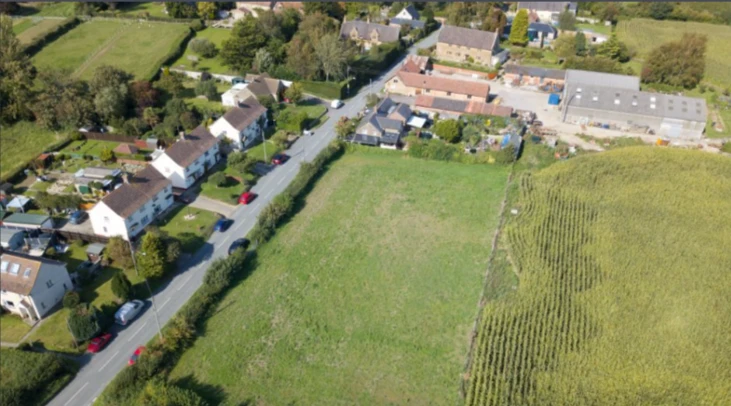

When searching for land for sale in Berkshire, many buyers focus on location, price, and potential. However, one of the most important and often overlooked factors is which planning authority governs the land. Berkshire is unique in that it is divided into six separate local planning authorities, each with its own policies, priorities, and constraints.
Understanding how these councils operate can make the difference between a smooth purchase and a costly mistake. As local experts like Duncan Yeardley often highlight, planning knowledge should come before the search not after.
Why Planning Authorities Matter When Buying Land
Planning permission ultimately determines what you can and cannot do with a plot. Even if land appears ideal, local council policies may restrict development due to Green Belt designation, conservation rules, or infrastructure limitations.
Each Berkshire authority interprets national planning guidance slightly differently. This means two similar plots in neighbouring areas could have very different development outcomes.
For buyers, this creates both risk and opportunity depending on how well you understand the local planning landscape.
The Six Planning Authorities in Berkshire
Berkshire is made up of the following local authorities:
- Bracknell Forest Council
- Reading Borough Council
- West Berkshire Council
- Wokingham Borough Council
- Slough Borough Council
- Royal Borough of Windsor and Maidenhead
Each authority manages its own Local Plan, planning applications, and development priorities.
Duncan Yeardley often advises buyers to treat each authority as a separate market, rather than assuming Berkshire operates as one unified planning region.
How Local Policies Affect Land Value
Land value is closely tied to planning potential. For example:
- Areas with more flexible development policies may see higher land prices
- Locations with strict Green Belt protections may limit development but retain long-term scarcity value
- Councils prioritising housing growth may offer more opportunities for planning approval
Understanding these differences allows buyers to assess whether a plot is realistically priced — or whether its “potential” is overstated.
Green Belt and Conservation Constraints
Much of Berkshire falls within the Green Belt, particularly around more affluent and well-connected areas. While this protects the countryside, it significantly restricts development.
In addition, some authorities have extensive conservation areas, heritage protections, or environmental designations.
Key considerations include:
- Whether the land is within Green Belt boundaries
- If there are listed buildings or protected landscapes nearby
- Local policies on infill or redevelopment
Duncan Yeardley often notes that buyers should never assume land can be developed simply because it is available for sale.
Differences in Planning Approach Across Authorities
While all councils follow national planning guidelines, their local priorities differ:
- Some councils focus on urban regeneration and density
- Others prioritise protecting rural landscapes
- Certain areas actively encourage new housing developments to meet demand
This variation means that your strategy as a buyer should adapt depending on the authority. A plot suitable for development in one borough may be rejected in another.
Practical Steps Before You Start Searching
1. Identify the Planning Authority Early
Before seriously considering a plot, confirm which council governs it. This determines the rules you’ll need to follow.
2. Review the Local Plan
Each authority publishes a Local Plan outlining development priorities, housing targets, and restrictions. This is essential reading for land buyers.
3. Check Planning History
Look at previous applications on or near the site. This provides insight into how the council has responded to development proposals.
4. Engage Local Expertise
Navigating Berkshire’s planning landscape can be complex. Professionals like Duncan Yeardley bring local insight that helps buyers interpret policies and assess viability.
Common Mistakes Buyers Make
- Assuming all Berkshire land has similar planning potential
- Ignoring Green Belt restrictions until late in the process
- Relying solely on listing descriptions without verifying council policies
- Overestimating the likelihood of planning approval
These mistakes can lead to wasted time, unexpected costs, or unsuccessful planning applications.
Frequently Asked Questions (FAQ)
Q1: Why does Berkshire have six planning authorities?
Berkshire is divided into unitary authorities, each responsible for its own planning decisions and local development policies.
Q2: Can planning permission vary significantly between councils?
Yes. While national guidelines apply, local interpretation and priorities can lead to very different outcomes.
Q3: How do I find out which authority controls a plot?
You can check the local council website or Land Registry details, or ask the selling agent directly.
Q4: Is Green Belt land impossible to develop?
Not always, but development is heavily restricted and typically limited to specific circumstances.
Q5: Should I consult a planning expert before buying land?
Yes. Early advice can help you avoid unsuitable plots and focus on realistic opportunities.
Conclusion
Understanding Berkshire’s six planning authorities is a crucial first step for anyone looking to buy land in the area. Each council brings its own policies, restrictions, and opportunities, shaping what can realistically be achieved on a plot.
Approaching your search with this knowledge and drawing on local expertise from professionals like Duncan Yeardley allows you to make informed decisions, reduce risk, and identify genuine opportunities in a complex but rewarding market.




























Sign in to leave a comment.