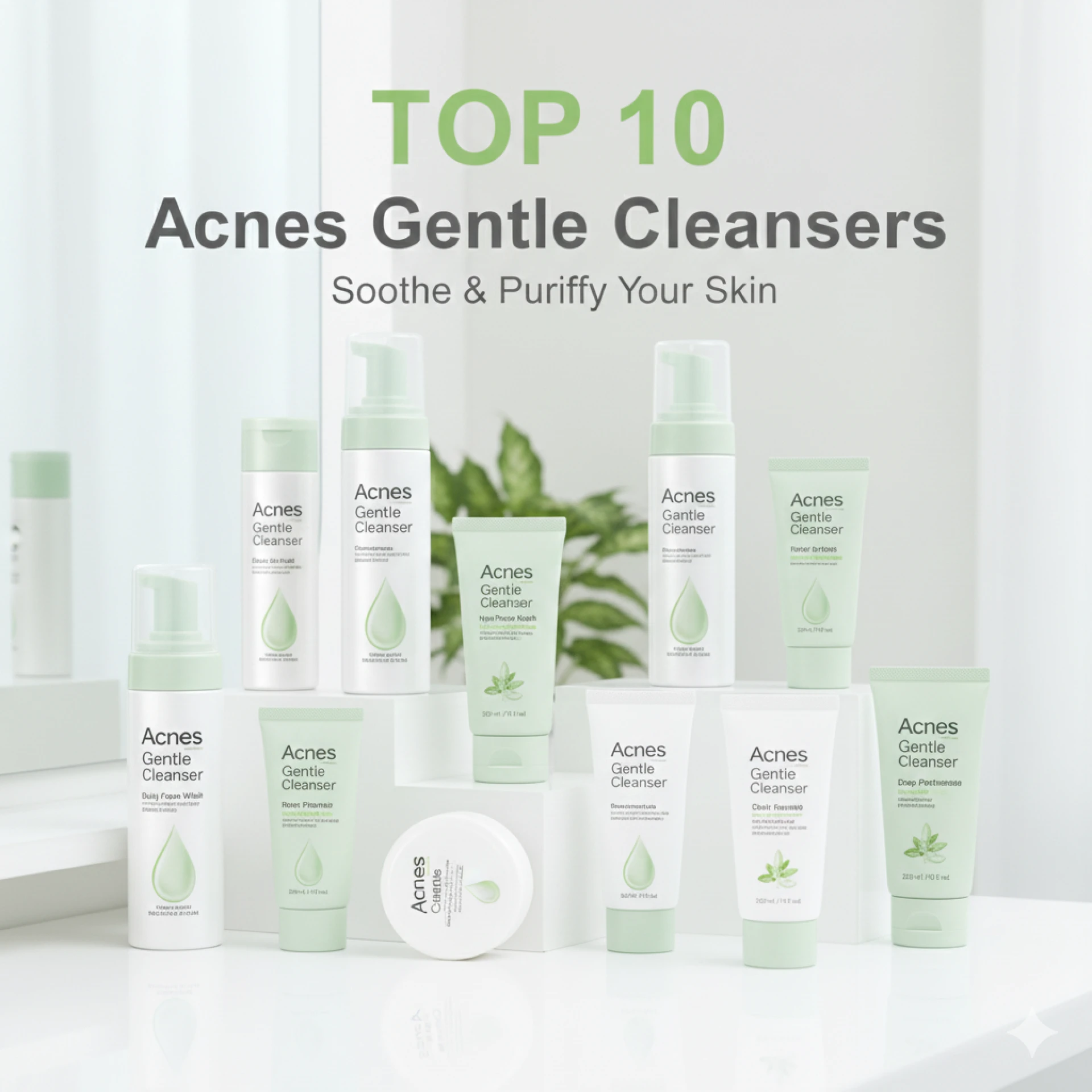
Acne affects over 85% of individuals between the ages of 12 and 24, making it one of the most common skin conditions worldwide. Contrary to popular belief, using harsh scrubs or acne cleansers can worsen acne by damaging the skin's natural protective barrier. This damage leads to increased oil production and inflammation.
A gentle acne cleanser works by removing excess oil, dirt, and bacteria without causing dryness or irritation. These cleansers are formulated to maintain the skin's protective barrier while effectively addressing breakouts.
Why Gentle Acne Cleansers Are Crucial for Acne-Prone Skin
Research in the Journal of Clinical and Aesthetic Dermatology highlights that mild cleansing helps maintain the skin’s pH balance (4.5-6.5), which is essential for:
- Barrier function: Protects the skin from environmental damage.
- Microbiome balance: Supports healthy skin bacteria.
- Reduced inflammation: Prevents irritation that can lead to breakouts.
- Effective ingredient penetration: Allows active ingredients to work more efficiently.
What Triggers Acne?
- Excessive oil production: Overactive sebaceous glands clog pores.
- Dead skin buildup: Prevents proper pore drainage.
- Excessive bacteria: Clogged pores become a breeding ground for Propionibacterium acne.
- Hormonal fluctuations: Hormones increase oil production.
- Genetic factors: A family history of acne can increase the likelihood of developing it.
Benefits of Using a Gentle Acne Cleanser
Immediate Benefits:
- Removes impurities without stripping natural oils.
- Reduces redness and irritation.
- Prepares skin for treatment products.
- Maintains a comfortable moisture balance.
Long-Term Benefits:
- Prevents skin barrier damage and sensitivity.
- Reduces post-inflammatory hyperpigmentation.
- Nourishes the skin’s natural renewal processes.
- Mitigates premature aging caused by over-cleansing.
Key Ingredients to Look for in Acne Gentle Cleansers
- Salicylic Acid (0.5-2%): A beta-hydroxy acid that penetrates oily pores, helping to clear dead skin and blackheads. Ideal for oily, acne-prone skin.
- Benzoyl Peroxide (2.5-5%): Kills P. acnes bacteria, reduces inflammation, and helps prevent new breakouts. Best for moderate to severe acne.
- Niacinamide (2-5%): Vitamin B3 that regulates sebum production, reduces inflammation, and shrinks pores. Suitable for sensitive skin with mild to moderate acne.
- Ceramides: Lipids that restore and protect the skin barrier, keeping it moisturized and preventing clogged pores. Good for dry, sensitive, or acne-prone skin.
Gentle Supporting Ingredients:
- Hyaluronic Acid: Lightweight hydration.
- Zinc Oxide: Anti-inflammatory properties.
- Green Tea Extract: Antioxidant that calms skin.
- Azelaic Acid: Light acid with antibacterial effects.
Top 10 Dermatologist-Recommended Acne Gentle Cleansers
- CeraVe Foaming Facial Cleanser: Contains ceramides and hyaluronic acid to hydrate while cleansing.
- Neutrogena Ultra Gentle Daily Cleanser: Hypoallergenic and pH-balanced, perfect for sensitive skin.
- La Roche-Posay Toleriane Caring Wash: Sulfate-free and ideal for reactive skin.
- Aveeno Clear Complexion Foaming Cleanser: Contains salicylic acid to fight acne without drying out skin.
- Vanicream Gentle Facial Cleanser: Free from dyes and fragrances, ideal for sensitive skin.
- Paula’s Choice CALM Restoring Cleanser: Plant-derived cleansers and antioxidants reduce redness and irritation.
- Eucerin DermatoCLEAN Mild Cleansing Milk: Removes makeup while preserving moisture.
- Bioré Charcoal Acne Daily Cleanser: Includes salicylic acid and natural charcoal for deep pore cleansing.
- Simple Kind to Skin Refreshing Facial Wash: No harsh chemicals, making it perfect for sensitive skin.
- Olay Gentle Clean Foaming Face Cleanser: A gentle yet effective choice for acne-prone skin.
How to Use Gentle Acne Cleansers Effectively
Step-by-Step Routine:
- Remove makeup (if needed) with a gentle makeup remover.
- Wet your face with lukewarm water.
- Apply cleanser with your fingertips in gentle, circular motions.
- Massage for 30-60 seconds for optimal ingredient absorption.
- Rinse with cool water.
- Pat dry with a clean towel (avoid rubbing).
- Apply moisturizer within 3 minutes to lock in hydration.
Frequency:
- Morning: To remove overnight oil.
- Evening: To cleanse away pollutants, makeup, and sunscreen.
- After Exercise: Cleanse immediately after sweating to prevent pore blockage.
- Avoid Over-Cleansing: Stick to twice a day to protect your skin barrier.
Frequently Asked Questions
- Can I use a gentle acne cleanser if I have sensitive skin?
- Yes, many are formulated for sensitive skin with ingredients like niacinamide instead of stronger acids.
- How long does it take to see results?
- You’ll typically see improvements in skin texture within 2-4 weeks, but significant results take 6-8 weeks.
- Should I use other acne treatments?
- Yes, use your cleanser as the base of your routine, followed by serums and moisturizers.
- Can teens use the same cleansers as adults?
- Yes, though teens with severe acne may need cleansers with stronger active ingredients, always focusing on gentleness.
- What’s the difference between acne-specific and regular cleansers?
- Acne cleansers include active ingredients like salicylic acid or benzoyl peroxide to target acne, while regular cleansers only remove dirt and oil.
- Foaming vs. Cream Cleansers for Acne-Prone Skin?
- Both work, but foaming cleansers are best for oily skin, while cream cleansers are better for dry or sensitive skin. Always ensure the formula is non-comedogenic.
Common Mistakes to Avoid
- Over-Cleansing: Washing more than twice a day can disrupt your skin’s barrier, leading to increased oil production and irritation.
- Hot Water: Use lukewarm water to avoid irritating the skin.
- Skipping Moisturizer: Even oily skin needs hydration to prevent compensatory oil production.
- Switching Products Too Often: Stick with a cleanser for at least 4-6 weeks before determining its effectiveness.
- Using Harsh Scrubs: These can aggravate acne by spreading bacteria and causing micro-tears in the skin.
Safety Considerations for Sensitive Skin
- Patch Testing: Always test new products on your inner forearm to check for irritation.
- Starting Slowly: Introduce active ingredients gradually to avoid over-drying or irritation.
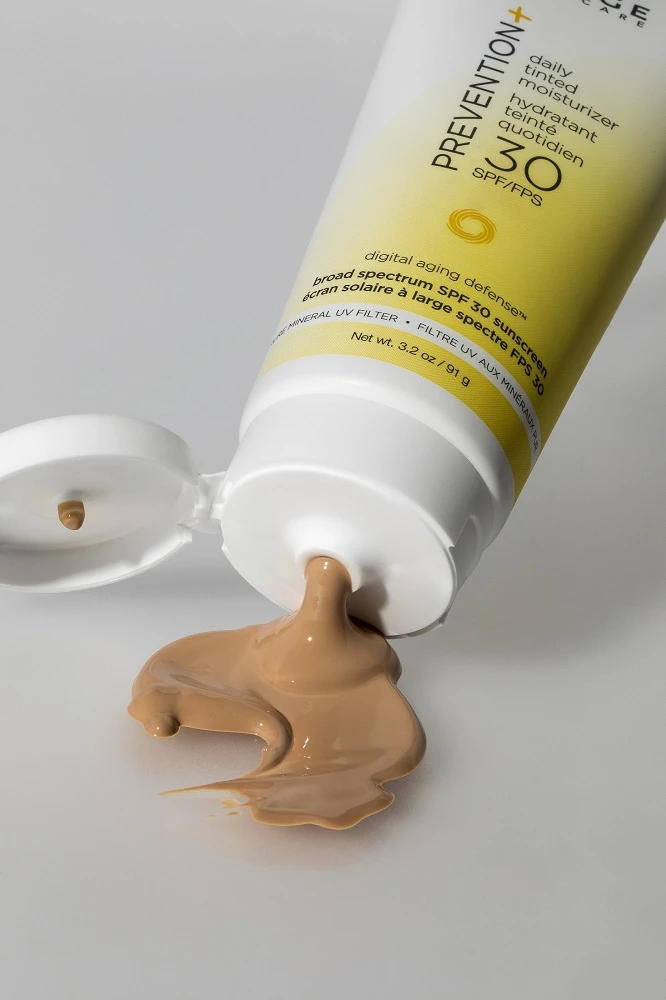
- Sun Sensitivity: Some acne ingredients can increase sun sensitivity. Always use a broad-spectrum natural sunscreen (SPF 30+).
The Future of Acne Gentle Cleansers: 2025 Trends
- Microbiome-Friendly: Formulas that preserve beneficial skin bacteria.
- Personalized Skincare: AI helps select the best cleanser based on individual skin needs.
- Sustainable Ingredients: Eco-friendly formulas and recyclable packaging are on the rise.
- Multi-Functional Products: Cleansers that combine cleansing, exfoliation, and treatment in one.
- Professional Treatment Integration: Use cleansers that complement treatments like chemical peels or prescription medications.
When to Seek Professional Help
Consult a dermatologist if:
- You have cystic acne or scarring.
- You see no improvement after 3 months of consistent use.
- You experience severe irritation or allergic reactions.
Complete Acne-Fighting Routine
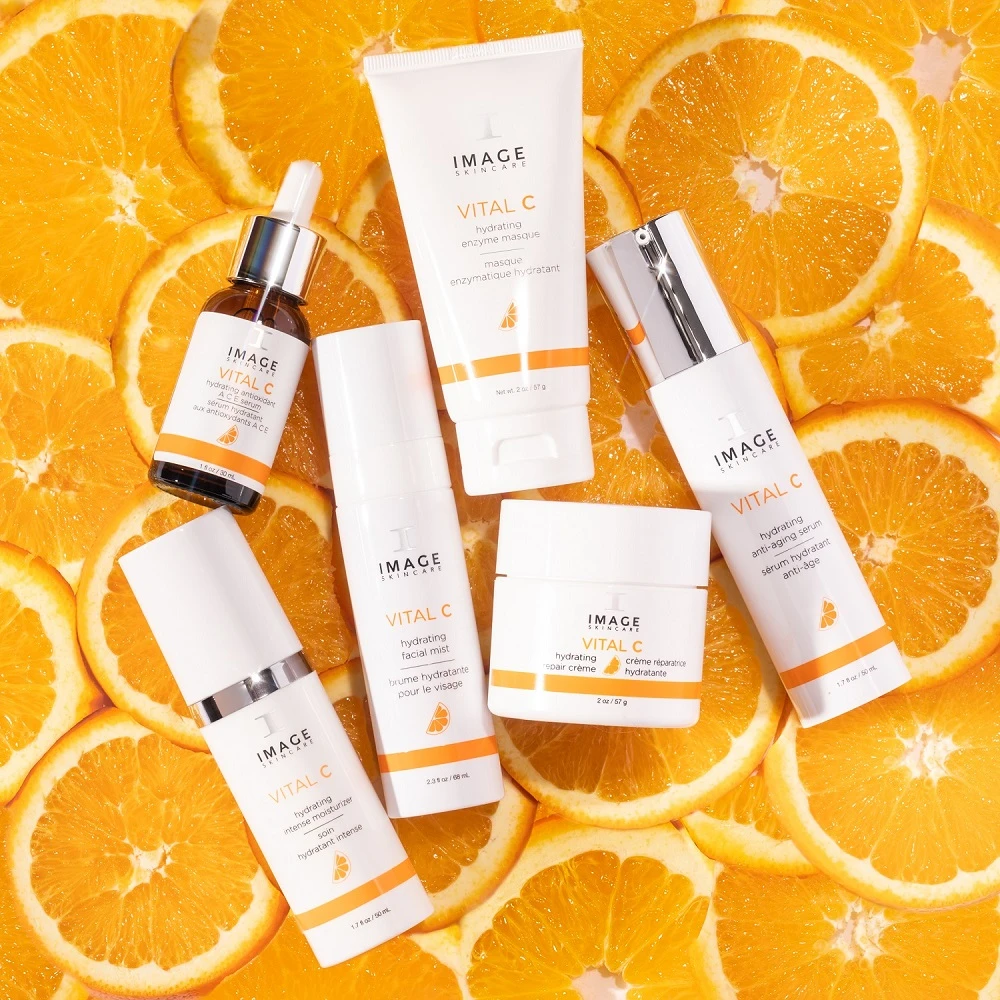
- Morning: Gentle cleanser, vitamin C serum (optional), lightweight moisturizer, broad-spectrum SPF.
- Evening: Makeup remover, gentle cleanser, treatment serum, heavier moisturizer, spot treatment (if needed).
Bottom Line
Choosing the right gentle acne cleanser is essential for managing acne effectively. Consistency is key, and most people see improvements after 6-8 weeks. By selecting the right products and maintaining a regular routine, you can achieve clearer, healthier skin without compromising its protective barrier.
To start your skincare journey, consult a dermatologist to find the best acnes gentle cleanser for your needs, and stick to a consistent routine for optimal results.



























Sign in to leave a comment.