
Lewy Body Dementia (LBD) is the second most common type of progressive dementia after Alzheimer’s disease. It is caused by abnormal protein deposits, known as Lewy bodies, that develop in the brain, disrupting cognitive function, movement, and behavior simultaneously.
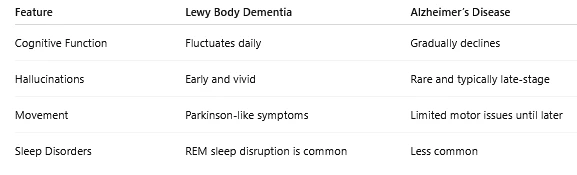
Unlike Alzheimer’s, LBD is known for unique features such as rapidly changing cognitive abilities, vivid hallucinations, and Parkinson-like motor symptoms. While some cases may have a genetic component, most are not inherited. Understanding the seven stages of this disease helps families plan care and manage symptoms effectively.
“Because symptoms vary and change over time, LBD can be hard to diagnose. Early recognition helps with better management.” — Dr. Sarah Chen, Johns Hopkins Medical Center
The 7 Stages of Lewy Body Dementia
Stage 1: No Symptoms (Preclinical Phase)
- No obvious signs yet, but brain changes may already be underway.
- Ideal time for early planning, family discussions, and potential genetic counseling.
Stage 2: Very Mild Changes
- Subtle memory issues or confusion, often dismissed as normal aging.
- Possible minor personality shifts or increased anxiety.
Stage 3: Mild Cognitive Decline
- Noticeable difficulty with memory, planning, and decision-making.
- Fluctuating awareness and early signs of hallucinations.
- Daily tasks and social interactions may start to suffer.
Stage 4: Moderate Cognitive Decline
- Increasing need for help with tasks like managing money or cooking.
- Hallucinations may become more intense.
- Movement symptoms may begin.
- A formal diagnosis is often made at this stage.
Stage 5: Moderately Severe Decline
- Memory problems extend to both short- and long-term events.
- Requires help with basic self-care like dressing and bathing.
- Sleep disturbances and balance issues may appear.
- Time to start long-term care discussions.
Stage 6: Severe Decline
- Major assistance needed with daily routines.
- Difficulty recognizing loved ones; behavioral issues may worsen.
- High risk of falls, infections, and other complications.
Stage 7: End-Stage Dementia
- Loss of mobility and ability to communicate.
- Incontinence and trouble swallowing.
- Around-the-clock care required, with a focus on comfort and palliative support.
“LBD affects more than memory—it impacts behavior, movement, and sleep, requiring a multi-faceted approach to care.” — Dr. Michael Rodriguez, Mayo Clinic
Treatments by Stage
Though there is no cure, several treatments can help manage symptoms and improve quality of life:
Medications
- Cholinesterase inhibitors (e.g., donepezil, rivastigmine): Improve cognition, especially helpful in stages 3–5.
- Avoid antipsychotics: They can worsen confusion or trigger severe reactions in LBD patients.
- Levodopa: May help with movement but could increase confusion or hallucinations.
- Melatonin: Aids with common sleep disturbances.
Therapies
- Physical Therapy: Maintains balance and reduces fall risk.
- Occupational Therapy: Promotes safety and independence.
- Speech Therapy: Assists with communication and swallowing.
- Cognitive Stimulation: Tailored activities to support mental engagement.
Cost Overview
Monthly Medication Costs
- Cholinesterase inhibitors: $200–$400
- Levodopa: $50–$150
- Antipsychotic alternatives: $300–$800
- Sleep aids: $30–$200
Professional Services
- Neurologist: $300–$600 per visit
- Therapy (PT/OT/Speech): $100–$250 per session
- Home health aide: $20–$30/hour
Long-Term Care
- Assisted Living: $3,000–$6,000/month
- Memory Care: $4,000–$8,000/month
- Nursing Home: $5,000–$10,000/month
- 24-Hour Home Care: $15,000–$25,000/month
Note: Costs vary based on region and insurance.
Managing Symptoms by Stage
Early Stages (1–3)
- Maintain a structured routine.
- Avoid overwhelming environments.
- Provide emotional support and reassurance.
Middle Stages (4–5)
- Use simple, consistent daily schedules.
- Address hallucinations calmly and without confrontation.
- Consider adult day programs for social engagement.
Advanced Stages (6–7)
- Prioritize comfort, safety, and dignity.
- Full-time care becomes necessary.
- Monitor for swallowing difficulties, infections, and mobility issues.
Support for Caregivers
Caring for someone with LBD is emotionally and physically demanding. As the disease progresses, caregiver stress often increases.
Resources:
- Disease education
- Local and online support groups
- Legal and financial planning help
- Respite care options
Planning Ahead:
- Discuss preferences for care early (ideally in stages 1–3).
- Prepare legal documents (power of attorney, living will, etc.).
Emerging Research (2023–2025)
Recent studies offer new hope in diagnosis and treatment:
- Biomarkers for early detection (Journal of Neurochemistry, 2024)
- VR cognitive therapy shows functional gains (Frontiers in Aging Neuroscience, 2024)
- Precision medicine tailored to individual symptoms (Nature Medicine, 2023)
- REM sleep therapy trials reduce hallucinations (Sleep Medicine Reviews, 2024)
- Antioxidants may slow disease progression (Lancet Neurology, 2023)
“Breakthroughs in personalized care and earlier diagnosis are shaping the future of LBD treatment.” — Dr. Jennifer Walsh, National Institute on Aging
When to Contact a Doctor
Seek medical help if you notice:
- Sudden behavior changes
- Worsening movement problems
- Possible medication side effects
- Safety issues (e.g., driving, falls)
- Signs of depression or severe confusion
Stage-Based Care Checklists
Stages 1–2
- Begin legal and financial planning
- Assemble a care team
- Join LBD support groups
- Make the home environment safe
Stages 3–4
- Create and follow daily routines
- Review medication regularly
- Start therapies (PT/OT/Speech)
- Evaluate driving and safety risks
Stages 5–7
- Explore long-term care options
- Establish palliative care as needed
- Focus on comfort and symptom relief
- Address swallowing and infection risks
Conclusion: Living with Lewy Body Dementia
Lewy Body Dementia progresses through seven stages, but no two cases are identical. While some individuals decline rapidly, others may remain stable for years. Recognizing the stages allows for proactive care, better planning, and more meaningful moments with loved ones.
By focusing on present needs, adjusting as symptoms evolve, and using available support systems, families can help maintain quality of life even in the later stages of this complex condition.
FAQs
1. How fast does LBD progress?
It typically advances over 5–8 years, but may range from 2 to 20 years depending on the individual.
2. Is LBD hereditary?
Not commonly. Genetics play a minor role in most cases.
3. Can someone skip stages?
Yes. Progression is often uneven, and symptoms may overlap or appear out of sequence.
4. How is amnesia different from LBD?
Amnesia refers to sudden memory loss, while LBD involves ongoing decline in memory, movement, and behavior.
5. What’s the FAST scale?
A tool used to track daily function and decline, especially in later dementia stages.
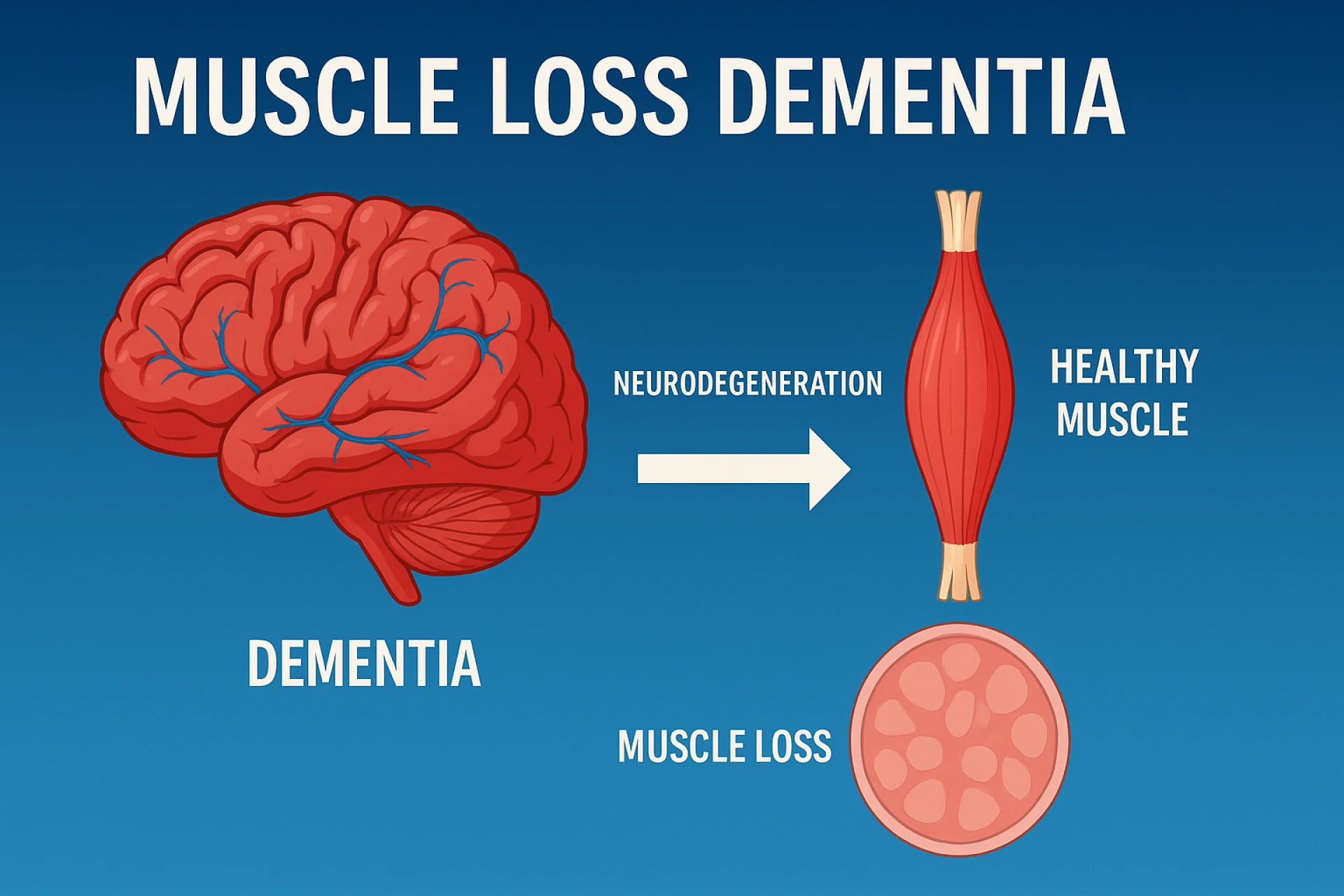
6. Does muscle loss relate to LBD?
Yes, due to decreased mobility and nerve-related degeneration.
7. When should care planning begin?
As early as possible—ideally in stages 1–3, while the person can still make informed decisions.
8. Can treatments slow the disease?
No cure exists, but early treatment and supportive care can improve quality of life and slow symptom progression.

































Sign in to leave a comment.