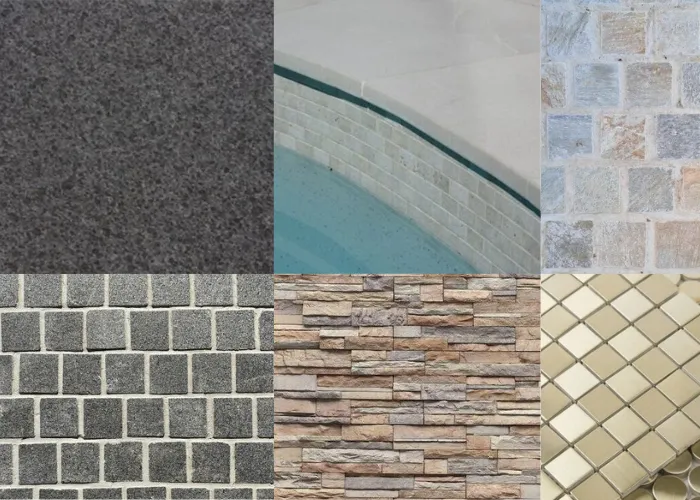
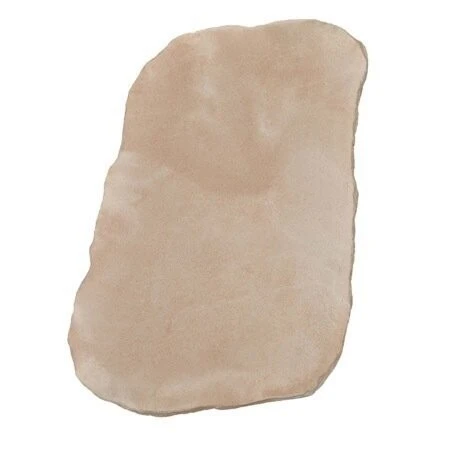
The difference between the summer seasons in Sydney and Perth becomes easily visible by mid-afternoon, when everything is warm and really hot. Walking barefoot becomes impossible for people, and even in this situation, some patios remain tolerable. Some burn, and this happens mainly due to the gap in the material choice. Homeowners must focus on natural stone pavers when planning outdoor spaces that can be used 365 days a year without discomfort.
SURFACE HEAT: WHAT WE SEE ON REAL JOBS
A common feature of modern properties is that lighter, porous stones remain noticeably cooler than dark, dense finish stones. Here is a brief overview of the materials and their surface feel.
- Travertine (light) has a comfortable surface feel and low relative heat.
- Limestone (light) has a comfortable surface feel and also low relative heat, just like the travertine discussed above.
- Sandstone has a warm surface feel, and the relative heat is medium.
- Concrete (dark) is known for its hot surface feel and high relative heat.
An important point to note is that these are not lab figures; they are site observations conducted during pavers installation and post-handover checks.
SALT EXPOSURE: A SLOW POISON
Salt doesn't always remain in the ocean, and it finds its way to pool waters. The problem is that this water and salt can seep into porous materials used in manufacturing pavers collection. The deposits remain behind and cause surface breakdown.
HERE'S HOW DIFFERENT OPTIONS TEND TO BEHAVE:
TRAVERTINE
- Dense enough to resist salt intrusion, especially when sealed properly
LIMESTONE
- Performs well with correct sealing cycles
CONCRETE PAVERS
- Often show early wear—edges chip, surfaces fade
In some cases, builders are forced to change the entire courtyard or backyard in just 5 years due to salt exposure. To prevent this from happening, builders must adhere to installation standards and durability benchmarks outlined in guidelines from Master Builders Australia.
Picking up the pavers without any guesswork - showrooms made everything look good and real. However, the true conditions tell a completely different story. When accessing the natural pavers collection, you must narrow the options by use rather than appearance. Most buyers start with colours, but this is a backward motion. The selection should start with performance and then work towards aesthetics.
- Pool surrounds → prioritise slip resistance + salt tolerance
- Entertaining areas → comfort underfoot matters more than finish
- Driveways → strength and thickness come first
- Design choices that actually make a difference
Small details shift how a space feels in summer. Some are easy to overlook.
- Stick with light, not stark white
- Creams and soft beiges reflect heat without harsh glare
- Choose textured finishes
- Honed or tumbled stone improves grip and reduces surface shine
- Get the base right
- Poor compaction traps heat and leads to movement later
A poorly prepared base causes more long-term issues than the stone itself. It's the part most homeowners never see—and where shortcuts tend to happen.
Where installations usually go off track
The failures aren't dramatic at first. They creep in.
- Inadequate drainage → salt build-up
- Missed sealing cycles → surface erosion
- Uneven base → shifting and cracking
Quick selection checklist (worth saving)
If the goal is a summer-proof outdoor area, this short list avoids most regrets:
- Choose light-coloured natural stone
- Confirm salt resistance (especially near pools)
- Use a textured finish for grip
- Seal properly—and reapply every few years
- Don't cut corners on base preparation
Many projects miss at least one of these. That's usually where problems start.
FAQs
DO NATURAL STONE PAVERS STAY COOLER?
- Yes.
- Most natural stone absorbs less heat and releases it more quickly, making it more comfortable in direct sunlight.
ARE THEY SUITABLE FOR SALTWATER POOLS?
- They perform well when sealed correctly.
- Travertine and limestone are commonly used.
HOW OFTEN SHOULD SEALING BE DONE?
- Every 2–3 years in most Australian conditions.
- A bit sooner in high-exposure areas.
WHAT'S THE BIGGEST MISTAKE WITH OUTDOOR PAVING?
- Ignoring base preparation and drainage.
- That's where most failures begin.
ARE DARKER PAVERS EVER A GOOD CHOICE?
- Only in shaded areas.
- In full sun, they retain too much heat.
FINAL THOUGHTS
Heat and salt aren't rare issues here—they're everyday realities. Picking materials that withstand both keeps outdoor spaces usable year-round, not just in mild seasons.
If you're planning a fresh space or swapping an older one, begin with performance. The right stone, fitted correctly, avoids a heap of second-guessing later.
























Sign in to leave a comment.