Your garden or pathway will experience a complete transformation when you invest in the right stepping stones. There is a wide range of options available, ranging from natural stones to precast designs, and this availability makes it tough to make a smarter decision. You can reverse the situation and make it easier to decide which one to choose by understanding the available options and the differences between them. This article focuses on two types of stepping stones and their differences in terms of cost, maintenance, and other factors.
UNDERSTANDING NATURAL STEPPING STONES
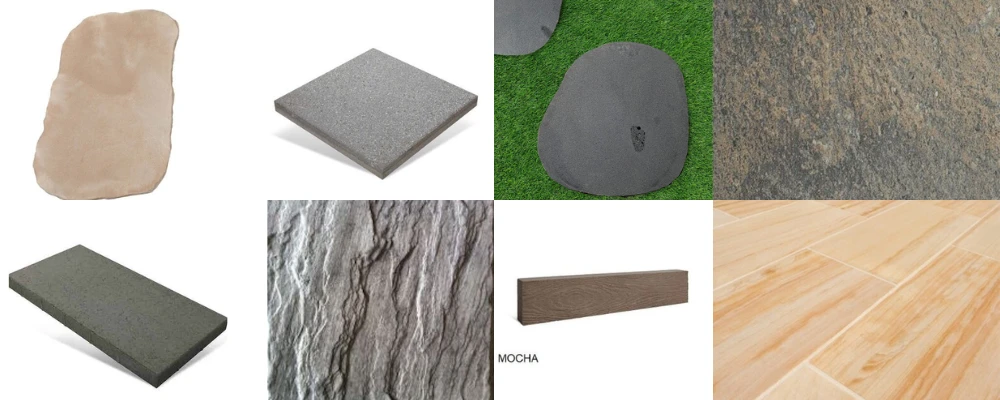
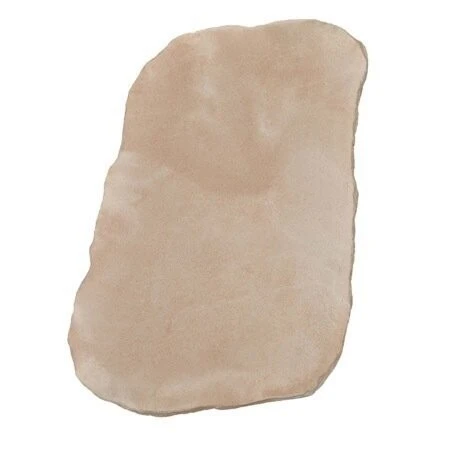
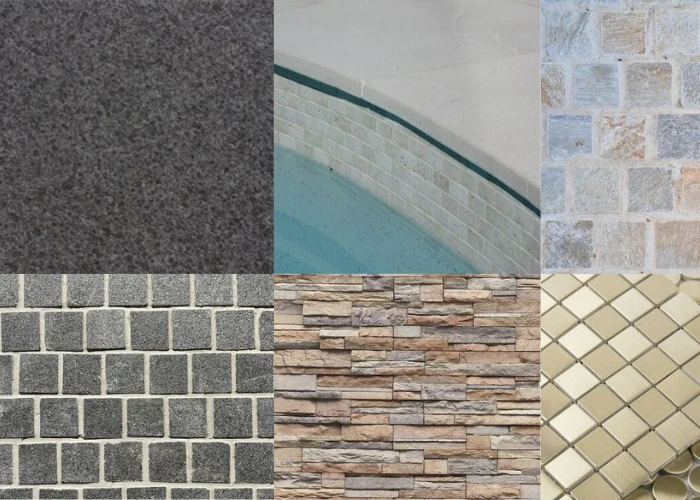
Natural stepping stones are cut from quarried stone such as sandstone, slate, or granite. The pieces are unique, and they provide a textured and organic look that blends seamlessly in any garden or landscape. They are known for their unmatched durability and resistance they show in high-traffic areas. An important USP is that they age gracefully over time, and some other characteristics are –
● Made from genuine stone sourced from quarries
● Offers natural variations in colour and texture
● Highly durable and long-lasting
USAGE OF NATURAL STEPPING STONES
According to the experts of stepping stone services, these natural stepping stones are ideal for homeowners focusing on including aesthetics in their property without affecting the longevity. Yes, they are surely expensive and require more upfront investment, but the natural appeal adds unique value to any property. They can create a classic outdoor atmosphere in your home. These natural stepping stones are ideal for your property due to the following reasons.
● Best for premium landscaping projects
● Minimal replacement needed over decades
● Enhances the property’s visual appeal
PRECAST STEPPING STONES
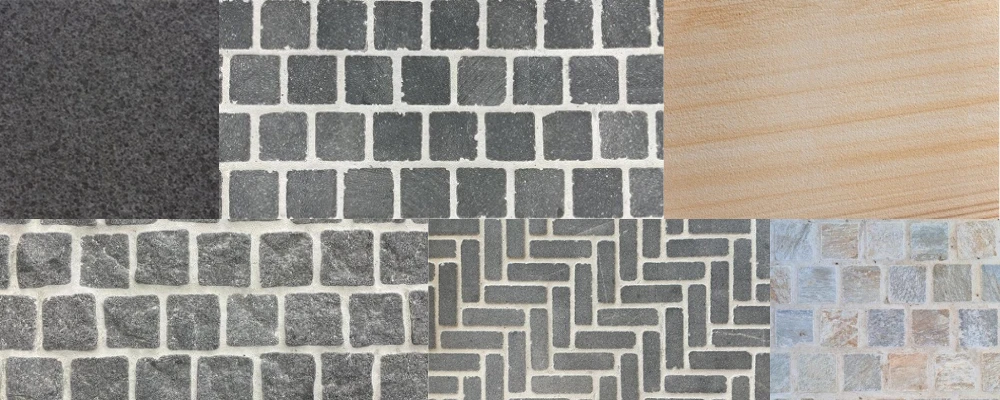
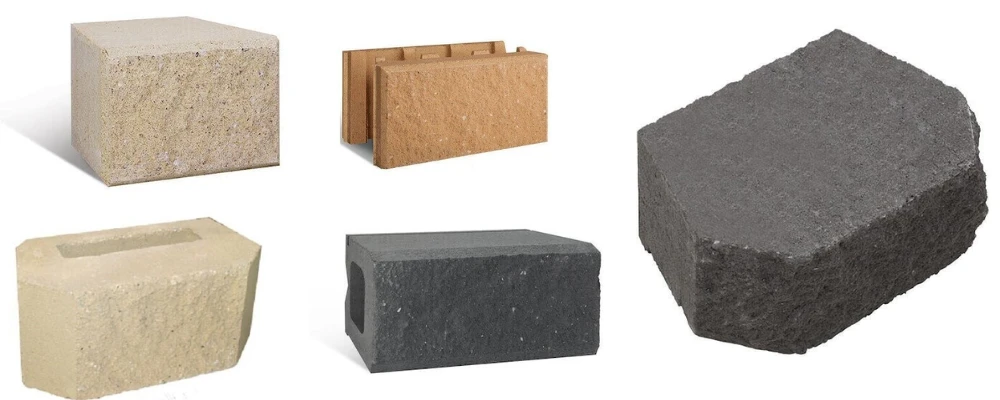
Precast stepping stones are manufactured in factories and manufacturing units using concrete moulds. They mimic the looks of natural stones tiles, but they have more uniform shapes and sizes compared to natural stepping stones. They provide a cost-effective option for those looking for a versatile solution for functional pathways. Here are some unique features to remember about precast stepping stones.
● Manufactured in controlled environments for consistency
● Available in various shapes, sizes, and colours
● Often lighter and easier to install than natural stone
These precast stepping stones lack the unique lustre, but still, they are very versatile. They can be manufactured using gravel, mulch, and ground cover, and they are very helpful in creating modern and minimalist pathways. They are considered ideal for DIY landscaping projects, and the most unique feature is that they can be replaced easily in case they suffer some damage. Another important feature is that these precast stepping stones can match contemporary outdoor design very easily.
NATURAL VERSUS PRECAST STEPPING STONES – A COST COMPARISON
As mentioned above, natural stepping stones involve a higher upfront investment due to the process involved in their manufacturing. Quarrying, cutting, and transporting are all taken carefully to make sure that these stones reach your hands safely.
On the other hand, precast stepping stones are manufactured in bulk, and this makes them more budget-friendly.
The longevity of natural stepping stones is a major USP, and it can offset its initial price over the years.
You have to factor in installation and landscaping services when determining the budget for stepping stone services. According to experts, the budget should depend on the project's scale and the intended lifespan of your pathway. For high-traffic and long-term usage, natural stones are a smarter investment.
LONGEVITY AND MAINTENANCE
The durability of both these options should be a major factor when choosing between natural and precast stepping stones. The former is capable of withstanding harsh weather, heavy foot traffic, and exposure to ultraviolet rays. This means they can last for decades with minimum care and maintenance.
On the other hand, precast stepping stones are durable but can become fragile over time and chip, crack, or fade more quickly under extreme conditions.
● Natural stone lasts 30+ years with basic care.
● Precast stone typically lasts 10–20 years, depending on exposure.
● Regular cleaning prevents moss and algae build-up.
Maintenance is another major consideration while selecting between these options. Natural stones require sealing and occasional repositioning to maintain the aesthetics. However, precast stones require cleaning, and frequent replacement is required when they get damaged. Proper base preparation plays a major role in durability, and proper sealing also affects the life of natural stones. This when provided on time, this will enhance the durability and colour retention of natural stepping stones.



























Sign in to leave a comment.