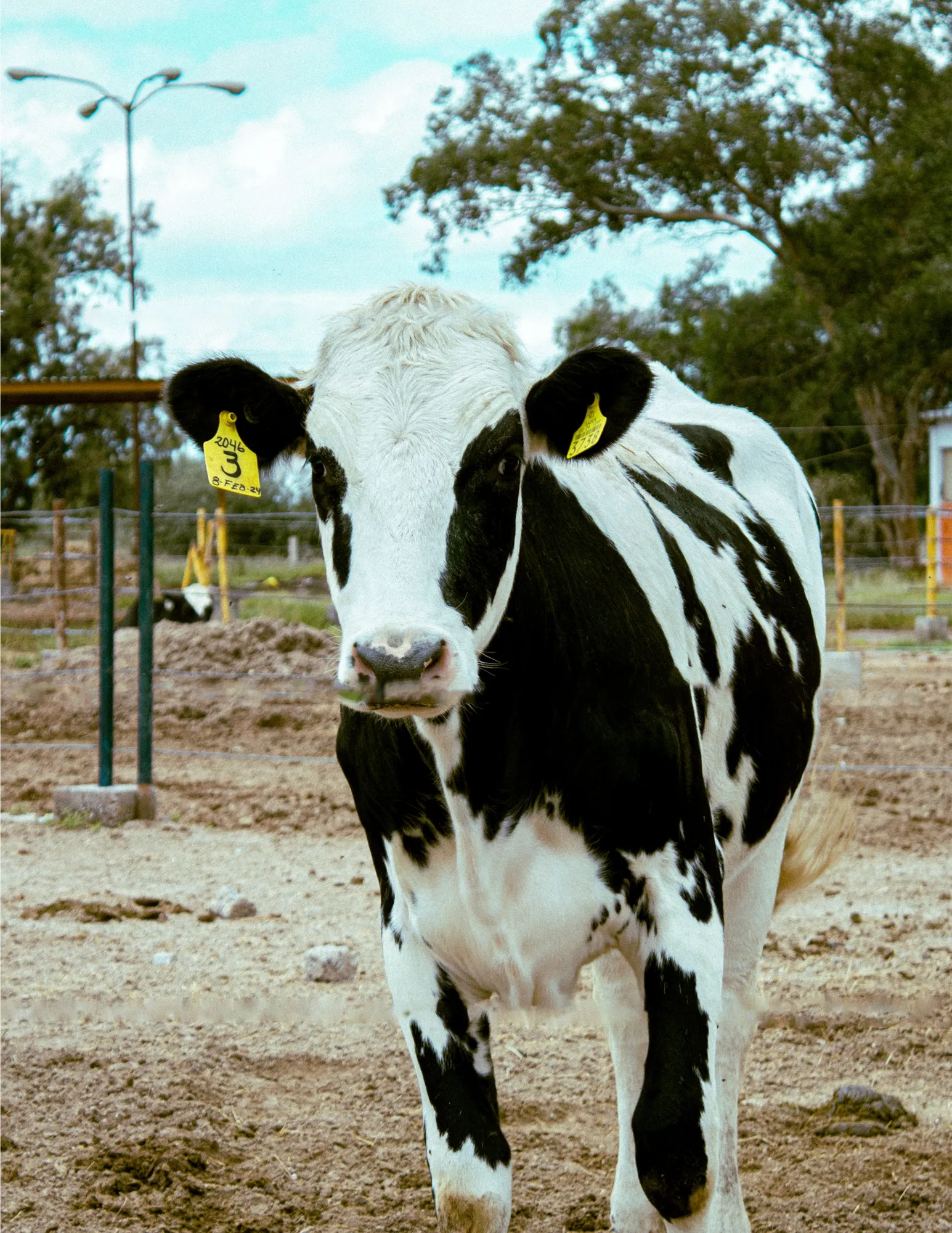

Running a dairy farm today involves a lot more than feeding schedules and milking times. Between tracking individual cow health, managing breeding records, and keeping an eye on milk production trends, the amount of information a farmer needs to juggle has grown well beyond what a notebook can handle. This is exactly why Dairy Farm Software has moved from being a "nice to have" to something most serious operations rely on daily.
If you are considering making the switch from manual records to a digital system, here is what actually matters when choosing Dairy Farm Management Software for your operation.
Why Paper Records Stop Working as You Grow
A small herd of 10 to 15 cows can be managed reasonably well with a notebook and a good memory. But once a farm crosses into the 50, 100, or 500 cow range, paper records start falling apart in predictable ways.
Information gets scattered across different books. Health events get forgotten. Breeding dates get missed because nobody flagged the cow in time. And when something goes wrong, like a sudden drop in herd-wide milk yield, there is no easy way to look back and figure out what changed and when.
Good Dairy Farm Software solves this by putting every piece of information about every cow in one searchable place, accessible from a phone or computer whenever you need it.
Core Features That Make a Real Difference
Individual Cow Records
The foundation of any useful Herd Management Software is a complete profile for every animal. This means birth date, breed, lactation number, calving history, health events, and current milk yield, all in one place. When a vet visits or a new staff member joins, they can pull up a cow's complete history in seconds instead of asking around the farm.
Milk Recording and Trend Analysis
Daily milk yield by cow tells you far more than a single farm total ever could. With proper Dairy Analytics, you can spot when a specific cow's production starts dropping days before she shows any visible signs of illness. This early warning window is often the difference between a quick treatment and a much bigger problem.
Health and Treatment Tracking
Every vaccination, treatment, and illness should be logged against the cow it happened to. Good software flags repeat issues automatically, so if a cow has had mastitis three times in six months, that pattern shows up clearly instead of being buried across different notebook pages.
Breeding and Reproduction Management
Missed heat cycles are expensive. Every missed cycle adds roughly three weeks to a cow's calving interval, which directly affects how much milk she produces over her lifetime. A solid Dairy Farm App sends reminders for expected heat dates, pregnancy checks, and dry-off dates so nothing slips through.
Feed and Cost Tracking
Feed is usually the single largest expense on a dairy farm. Software that tracks feed consumption alongside milk output helps you calculate actual feed efficiency per cow or per group, which is information most farms never see clearly until they start tracking it digitally.
Mobile Access Matters More Than You Think
A lot of farm management happens away from a desk, standing in the barn or walking between pens. A Dairy Farm App that works well on a phone means the person actually doing the work can log information on the spot, rather than trying to remember details to write down later that evening.
This small difference has a big impact on data accuracy. Information entered immediately is far more reliable than information recalled hours later from memory.
Integration With Farm Equipment
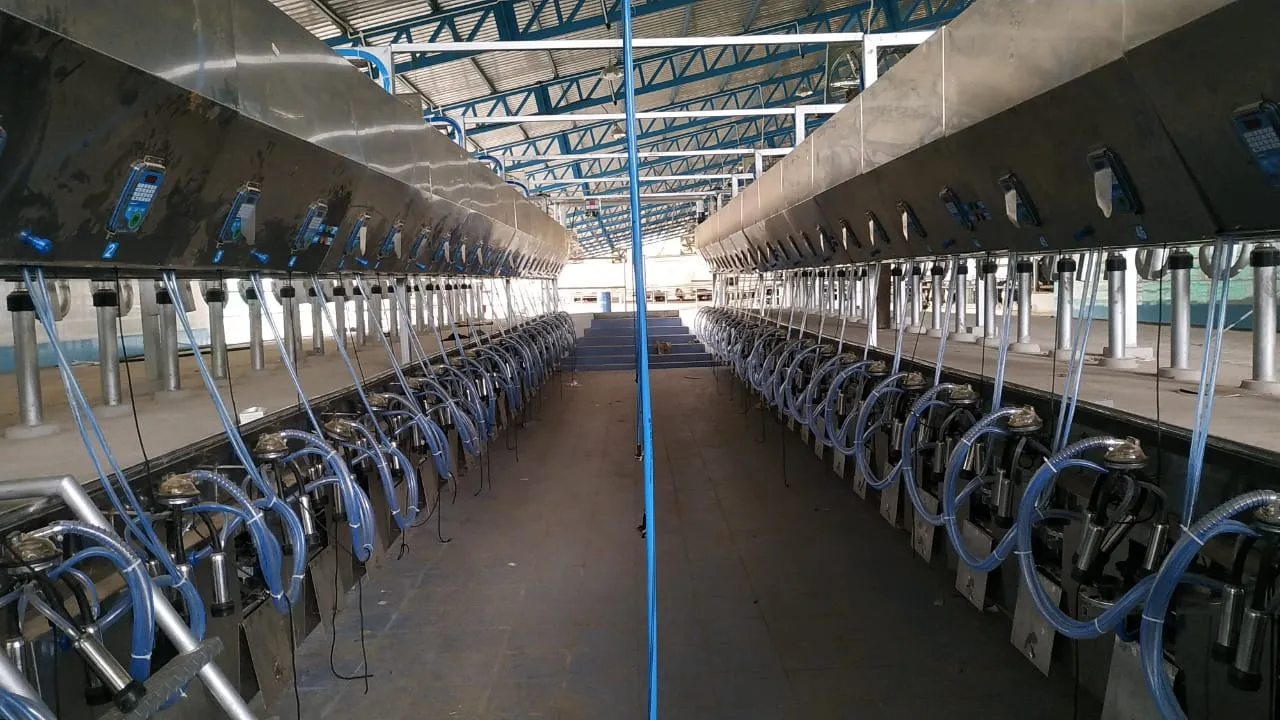
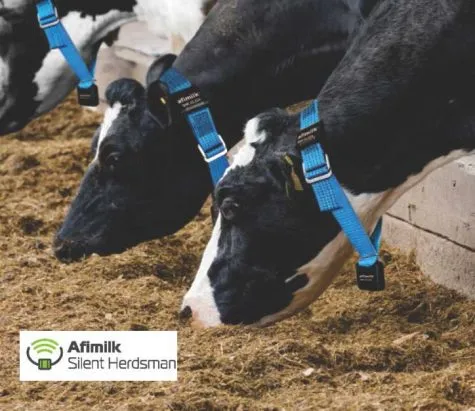
The most useful systems do not work in isolation. When Dairy Farm Management Software connects directly with milking equipment, cow identification systems, and feeding stations, data flows in automatically without anyone needing to type it in manually.
For example, when milk meters at each milking point feed data straight into the software, individual cow yields update automatically every single milking, without any extra work from farm staff. This kind of integration is where digital dairy management really starts paying for itself.
Reports That Actually Help You Make Decisions
Collecting data is only useful if it leads to better decisions. Look for software that can generate clear reports on:
- Herd-wide milk production trends over time
- Individual cow performance compared to herd averages
- Reproduction status across the herd, including overdue breedings
- Health event frequency by cow and by group
- Feed cost per litre of milk produced
These reports turn raw numbers into something a farm manager can act on during a weekly review, rather than information that just sits unused in a database.
Making the Switch Without Disrupting Your Farm
One concern farmers often have is that switching to digital software means a steep learning curve for staff who are used to paper records. In practice, good systems are designed with simple, farm-friendly interfaces, and most teams adjust within a few weeks once they see how much time it saves on daily record keeping.
Starting with the basics, individual cow records and daily milk recording, and gradually adding breeding and health tracking modules, tends to work better than trying to switch everything over at once.
Final Thoughts
The right Vansun Technology does not just digitize your records, it changes how quickly you can spot problems and how confidently you can plan ahead. Whether you are managing 50 cows or 500, having reliable data on every animal turns guesswork into informed decisions, and over time, that adds up to a more profitable and better managed farm.
FAQs
Q1. Is dairy farm software difficult for farm staff to learn?
No. Most modern systems are designed with simple, mobile-friendly interfaces. Staff usually adjust within a few weeks of regular use.
Q2. Can the software work without internet access in remote areas?
Many systems offer offline data entry that syncs automatically once internet connectivity is available, making them suitable for rural farm locations.
Q3. How does software help with breeding management?
It tracks heat cycles, sends reminders for expected dates, and flags overdue breedings, helping reduce missed cycles and shorter calving intervals.
Q4. Does the software integrate with milking machines?
Yes, many platforms connect directly with milk meters and cow identification systems, allowing automatic data capture at every milking session.
Q5. What is the first step to start using farm software?
Begin with individual cow records and daily milk recording, then gradually add health tracking and breeding modules as your team gets comfortable.




























Sign in to leave a comment.