
Efficient drum handling is an essential requirement in many industries where liquids, chemicals, oils, food ingredients, and other substances are stored and transported in drums. When drums are heavy or hazardous, handling them manually can be unsafe and impractical. This is where drum handling equipment uk solutions become vital. Businesses across manufacturing, warehousing, logistics, construction, and chemical processing rely on such equipment to maintain smooth workflows while protecting workers from strain and potential injury.
Selecting the right drum handling equipment depends on the type of drum used, the environment, and the specific tasks being performed. Understanding the available equipment types and their practical advantages helps businesses make informed and safe decisions.
Understanding Drum Handling Requirements
The Role of Drums in Industrial Operations
Drums are commonly used to store and move liquids and bulk materials. They are durable, airtight, and available in various materials such as steel, plastic, and fiber.
Challenges in Manual Drum Handling
Drums can weigh anywhere from 100 to over 300 kilograms when filled. Lifting or tilting them manually may result in back injuries, spills, and serious workplace accidents. Equipment designed for drum handling reduces these risks while improving productivity.
Types of Drum Handling Equipment
There are several categories of drum handling equipment, each intended for specific lifting, moving, rotating, or dispensing operations.
Drum Lifters and Grabs
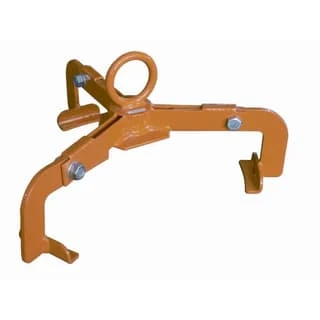
Drum lifters are designed to attach to overhead cranes or hoists. They grip the drum securely, allowing it to be lifted vertically. This equipment is commonly used where drums must be raised to mezzanine floors or into production machinery.
Drum Trucks and Dollies
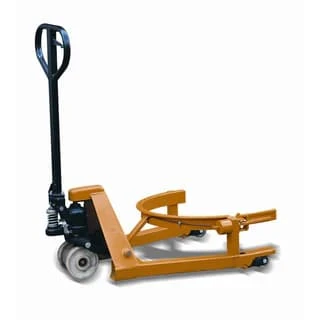
Drum trucks and dollies allow drums to be moved around a facility with minimal effort. A drum truck typically tilts the drum onto wheels, while dollies simply allow the drum to roll across flat surfaces. These are ideal for warehouse floor operations.
Drum Forklift Attachments
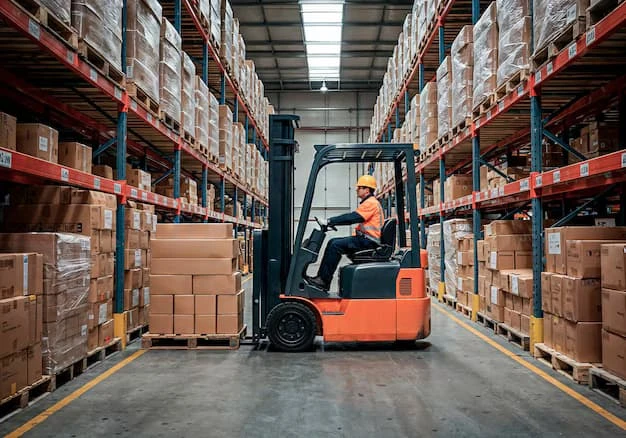
Forklift attachments for drums transform existing forklifts into drum lifting tools. They can clamp, lift, and transport drums without manual handling. These attachments increase flexibility and eliminate the need for specialized single-purpose lifting equipment.
Drum Rotators and Tumblers
Certain operations require the drum to be rotated or inverted to mix contents or pour material. Drum rotators are mechanically operated devices that secure the drum and rotate it smoothly. Tumblers can continuously roll the drum to blend contents without opening it. These are commonly used in manufacturing and chemical processing facilities.
Key Features to Look for When Choosing Drum Handling Equipment
Load Capacity
Different equipment models have various lifting capacities. It is essential to select equipment that can comfortably handle the heaviest drums in use.
Drum Material Compatibility
Metal drums and plastic drums have different gripping and handling requirements. Equipment must be compatible with the drum type to avoid damage.
Safety Locking Mechanisms
Secure gripping and locking features prevent accidents during lifting, tilting, or transporting.
Ease of Maintenance
Simple mechanisms and readily available replacement parts ensure long-term usability and reduce downtime.
Benefits of Using Drum Handling Equipment
Increased Workplace Safety
Using proper equipment minimizes manual lifting and reduces the risk of injury and workplace accidents.
Improved Efficiency
Handling drums becomes faster and smoother, improving workflow and reducing strain on employees.
Reduced Product Loss
Controlled movement prevents spills, product contamination, and costly wastage.
Worker Comfort and Morale
Ergonomic equipment supports staff well-being, creating a safer and more efficient work culture.
Best Applications for Drum Handling Equipment
Warehouses and Distribution Centers
Drum dollies and trucks are particularly useful in fast-paced warehouse environments.
Manufacturing Plants
Drum tippers and rotators are used to feed production machines or mix raw materials.
Chemical and Oil Processing Facilities
Specialized drum lifters ensure safe handling of hazardous materials.
Food and Beverage Production
Sanitary-grade drum handling equipment is used to move edible substances safely and efficiently.
Tips for Safe Use of Drum Handling Equipment
Conduct Regular Employee Training
Workers should be trained on the proper operation and safe handling of drum equipment to prevent accidents.
Inspect Equipment Regularly
Routine inspection ensures lifting mechanisms and wheels remain in good working condition.
Follow Manufacturer Load Guidelines
Exceeding recommended weight limits increases the risk of failure and injury.
Keep Work Areas Clear
Free space ensures that workers can maneuver equipment without obstruction.
Choosing the Right Supplier
When searching for drum handling equipment uk, it is important to select a supplier that offers durable, high quality, and tested solutions. A reliable supplier provides equipment that meets safety regulations, offers product guidance, and provides support for maintenance and spare parts.
Conclusion
Drum handling equipment is essential for safe, efficient, and productive industrial operations. By choosing the right equipment and ensuring proper training and maintenance, businesses can protect their workers and maintain a smooth workflow. Companies looking for dependable drum handling equipment uk solutions can benefit from consulting experts who understand industrial lifting challenges and equipment suitability. For a trusted and comprehensive range of drum handling equipment options, businesses can explore professional solutions provided by UK Lifting Store.




























Sign in to leave a comment.