

Lifting operations rely heavily on safe and resilient equipment. Among the most commonly used lifting tools are lifting slings, which come in a variety of materials such as polyester, nylon, wire rope, and chain. These slings are used to lift, secure, and move loads in construction, manufacturing, shipping, warehousing, logistics, and industrial environments. While slings are designed to handle heavy loads, their performance can be influenced by environmental conditions. Two of the most significant environmental factors affecting sling materials are temperature and exposure to chemicals.
Understanding how these factors impact different types of lifting slings helps ensure safe lifting practices and prevents equipment failure. This article explores the effects of temperature and chemical exposure on sling materials, highlights the risks associated with improper handling, and provides guidance for selecting and maintaining slings in challenging work environments.
Why Environmental Conditions Matter in Sling Performance
Material Sensitivity
Every sling material has its own strengths, weaknesses, and tolerances. When exposed to extreme temperatures or corrosive chemicals, these materials may lose strength, become brittle, soften, stretch, or weaken internally.
Safety and Load Integrity
The safety of a lifting operation depends on the sling maintaining its structural integrity. Any deterioration can lead to sling failure, which can result in dropped loads, damage to material, workplace injuries, or worse. For this reason, understanding the environment in which the sling will be used is just as important as knowing the weight of the load being lifted.
Regulatory Requirements
Safety standards and lifting guidelines require users to account for the working environment. Choosing the correct sling material helps ensure legal compliance and safe operations.
Types of Lifting Slings and Their Material Properties
Polyester Slings
Polyester slings are known for their low stretch and resistance to many mild chemicals. They are often used for delicate or smooth load surfaces due to their soft texture.
Nylon Slings
Nylon slings provide some elasticity, which helps absorb shock loads. However they are more vulnerable to damage from certain chemicals.
Wire Rope Slings
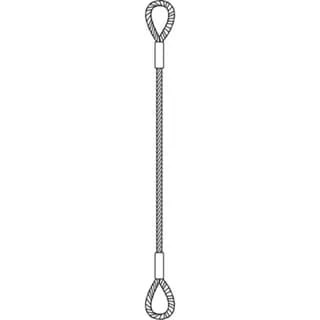
Wire rope slings are strong, durable, and resistant to abrasion. They are suitable for heavy industrial lifting and environments with rough contact surfaces.
Chain Slings
Chain slings are exceptionally strong and highly resistant to high temperatures. They are ideal for harsh industrial environments and heavy duty lifting.
Each of these materials reacts differently to heat and chemicals, making material selection crucial.
Effects of Temperature on Sling Materials
High Temperatures
Polyester and Nylon Slings
Synthetic fiber slings can lose strength at elevated temperatures. When the temperature is too high, fibers may melt, weaken, or stretch, potentially causing the sling to fail during lifting.
- Polyester slings typically begin to lose strength at moderately high temperatures.
- Nylon slings may soften or become more elastic, reducing load control.
Wire Rope Slings
Wire rope slings retain more strength at high temperatures, although the wire coating or lubrication can degrade. Prolonged heat exposure can cause fatigue and reduce flexibility.
Chain Slings
Chain slings are the most heat resistant. They can maintain strength and integrity in extremely high temperature environments. However even chain slings have temperature limits, and load ratings must be adjusted accordingly when used in heat.
Low Temperatures
Synthetic Slings
At low temperatures, synthetic slings become stiff and less flexible. Extreme cold may cause fibers to crack or tear under sudden load.
Wire Rope Slings
Cold conditions can cause wire rope to become less flexible, causing potential internal fatigue with repeated bending.
Chain Slings
Chain slings generally perform well in cold temperatures but should still be inspected for signs of brittleness or metal fatigue.
Key Considerations for Temperature Exposure
- Always check manufacturer temperature rating charts before use
- Adjust working load limits when operating in non standard temperatures
- Inspect slings before and after exposure to temperature extremes
Effects of Chemicals on Sling Materials
Chemical exposure can degrade sling strength and safety. The type of chemical and the duration of exposure determine the severity of the damage.
Polyester Slings and Chemical Resistance
Polyester has good resistance to many acids but is vulnerable to strong alkaline solutions. Contact with caustic substances can significantly weaken the sling fibers.
Nylon Slings and Chemical Sensitivity
Nylon slings are resistant to alkaline environments but are highly susceptible to damage from acids. Even mild acid exposure may weaken nylon slings without visible signs of deterioration.
Wire Rope Slings and Corrosion
Wire rope slings can corrode when exposed to moisture, chemicals, or salt environments. Corrosion weakens the metal strands and reduces sling strength over time.
Chain Slings and Chemical Durability
Chain slings are generally resistant to many chemicals. However certain acidic environments can still cause corrosion or weakening if left unprotected.
Preventing Chemical Damage
- Rinse slings immediately after chemical exposure
- Store slings away from chemical contact areas
- Inspect slings for discoloration, stiffness, or surface changes
How to Choose the Right Sling for Specific Environments
Assess the Work Environment
Consider whether the sling will be exposed to heat, cold, moisture, or chemicals. Identify hazards before selecting sling material.
Match Material to Working Conditions
- For high temperature environments, chain slings are often the best choice.
- For corrosive environments, polyester slings may provide better resistance, depending on the chemicals involved.
- Wire ropes are suitable for heavy duty lifting where abrasion resistance is required.
Review Load Requirements and Lifting Angles
The chosen sling must support the required load weight and account for any sling angle effects that increase tension.
Maintenance and Inspection for Long Term Safety
Regular Inspections
Slings should be checked before each use for:
- Cuts, fraying, or broken wires
- Corrosion or discoloration
- Stiffness or unusual flexibility
- Distortion or wear on fittings
Proper Cleaning
Use clean water and mild soap where appropriate. Do not use harsh cleaners that may worsen chemical damage.
Storage
Store slings in a dry, cool location away from chemicals or heat sources. Hanging or coiled storage prevents tangling and damage.
Conclusion
Temperature and chemical exposure can significantly influence the performance and lifespan of lifting slings. Understanding how sling materials respond to environmental conditions helps users choose the correct sling for each task and ensures safe lifting operations. Consistent inspection, proper maintenance, and well informed material selection are essential for reducing risks and maintaining workplace safety. For reliable guidance and access to high quality lifting products, customers can depend on UK Lifting Store.

























Sign in to leave a comment.