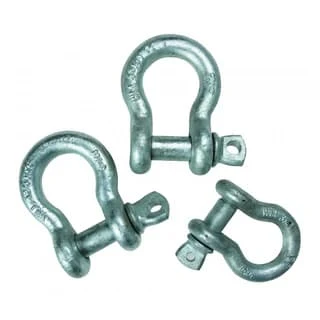

In lifting and rigging operations, maintaining full control over a load is essential for ensuring safety, efficiency, and precision. One component that plays a crucial role in this process is the swivel shackle for lifting. This specialised piece of hardware is designed to provide rotation, stability, and flexibility during lifting tasks. Its ability to move freely under load allows operators to handle complex or irregular lifting situations with greater confidence. Understanding how a swivel shackle enhances load control helps rigging professionals choose the right equipment and maintain safer lifting environments.
This article explains how a swivel shackle for lifting improves load control by exploring key features, operational benefits, performance advantages, and considerations for choosing the right model.
Understanding the Purpose of a Swivel Shackle for Lifting
What a Swivel Shackle Is Designed to Do
A swivel shackle is a lifting accessory that includes a rotating mechanism between the lifting eye and the shackle body. This rotation enables the shackle to move freely without twisting the attached sling or chain. The ability to rotate under load is especially useful when lifting items that can shift, turn, or require precise positioning.
Common Applications
A swivel shackle for lifting is used in construction, offshore operations, heavy machinery maintenance, transportation, and industrial environments. It is particularly valuable where loads need to be aligned during lifting or rotated into specific positions once suspended.
Key Components
A swivel shackle typically includes a shackle bow, a pin, and a rotating connector that allows the unit to turn. Each component is manufactured to withstand significant pressure, ensuring safe and stable lifting performance.
Enhanced Load Control Through Rotation
Allowing Free Movement of the Load
One of the primary benefits of a swivel shackle for lifting is its ability to allow the load to rotate freely. This prevents torsion and twisting in slings or chains, which can compromise stability and safety. By enabling natural movement, the swivel shackle ensures that the load aligns itself correctly throughout the lift.
Reducing Stress on Slings and Rigging Equipment
Twisting of slings or lifting chains creates additional stress that can lead to premature wear or failure. The rotation provided by a swivel shackle helps distribute stress evenly and protects rigging components. This reduces the likelihood of damage and extends the lifespan of lifting equipment.
Improving Placement Precision
In operations where a load must be positioned with accuracy, the ability of a swivel shackle to rotate allows operators to adjust orientation during the lift. This level of control can help workers place heavy items exactly where needed without relying on manual force or risky adjustments.
Increasing Safety in Lifting Operations
Reducing the Risk of Sling Damage
A swivel shackle for lifting helps protect slings from friction and tension caused by twisting. When slings remain flat and properly aligned, the risk of wear, cuts, or breakage is significantly reduced. This contributes to safer lifting operations and prevents accidents caused by equipment failure.
Preventing Uncontrolled Load Rotation
Without a swivel mechanism, certain loads may rotate unpredictably due to weight distribution or movement. This can create dangerous situations for nearby workers. A swivel shackle allows controlled rotation which stabilises the load and reduces the chance of sudden movements.
Minimising Operator Intervention
Since the swivel shackle allows the load to rotate naturally, operators do not need to manually adjust or reposition the load during the lifting process. This minimises physical strain and reduces the risk of accidents caused by attempting to correct load orientation by hand.
Improving Efficiency in Complex Lifting Tasks
Smoother Handling of Irregular or Awkward Loads
Some loads have uneven shapes or weight distributions that require extra attention during lifting. A swivel shackle for lifting helps manage these challenges by allowing the load to rotate into its natural balanced position. This leads to smoother lifting and better stability.
Supporting Multi Directional Movement
In environments where loads must shift into different orientations or move through confined spaces, the swivel function improves maneuverability. This is especially important in construction and manufacturing where repositioning is frequent.
Reducing Delays During Lifting Operations
When loads remain properly aligned with minimal manual intervention, lifting operations can proceed more quickly. The swivel shackle streamlines the process by preventing tangling or twisting of rigging equipment which often causes delays.
Construction and Material Benefits
High Strength For Demanding Loads
A swivel shackle for lifting is built from high strength metals that can endure the rigors of heavy lifting. The material is designed to resist deformation, fatigue, and mechanical stress. This ensures consistent performance even under challenging conditions.
Precision Engineered Components
Each part of the swivel shackle is engineered to rotate smoothly while maintaining structural integrity. Precision in manufacturing ensures the shackle can handle rotation under full load without compromising safety.
Resistance to Corrosion and Harsh Environments
Many swivel shackles are treated or coated to resist corrosion. This makes them suitable for outdoor environments, marine applications, or areas where exposure to moisture and chemicals is common. Corrosion resistance ensures that the swivel remains functional for longer periods.
Versatility Across Industries
Construction and Infrastructure Work
In construction, a swivel shackle for lifting is essential when positioning beams, pipes, or structural components. The rotation helps ensure that each piece is placed accurately and safely.
Manufacturing and Assembly Lines
Factories often require precise placement of machinery parts and materials. A swivel shackle supports stable lifting and helps reduce handling time during transitions between workstations.
Marine and Offshore Operations
The marine industry benefits greatly from swivel shackles because loads frequently shift due to vessel movement. The rotation improves safety and maintains load control in constantly changing environments.
Heavy Equipment Maintenance
When technicians work on machines, they often need to lift and rotate components such as engines or drive systems. A swivel shackle allows them to move heavy parts safely and with better precision.
How to Select the Right Swivel Shackle for Lifting
Consider the Working Load Limit
The working load limit identifies the maximum safe weight the shackle can support. This limit must always exceed the heaviest load expected in the operation.
Assess Environmental Conditions
If the lifting work occurs in corrosive or outdoor environments, choosing a shackle with proper coatings or resistant materials is essential. This ensures durability and long term performance.
Choose Correct Size and Pin Type
Different lifting applications may require bolt type pins or screw pin configurations. Selecting the correct pin type ensures secure and efficient attachment.
Ensure Compatibility With Existing Rigging Equipment
Shackles must work seamlessly with slings, chains, and lifting devices. Proper sizing and alignment prevent operational issues and maintain safety.
Maintenance and Inspection Practices
Regular Visual Inspections
Before each use, operators should inspect the swivel shackle for signs of wear, deformation, or corrosion. Any damage must be addressed immediately.
Lubrication of Moving Parts
Since the swivel mechanism must rotate freely, some models may require periodic lubrication. Maintaining the rotating components ensures smooth operation.
Proper Storage Practices
When not in use, swivel shackles should be stored in a dry and clean area. This helps protect the metal from rust and prevents unnecessary wear.
Why a Swivel Shackle for Lifting Is Essential for Load Control
Improving Stability
By allowing natural rotation, the swivel shackle stabilises loads during lifting. This prevents dangerous twisting and improves reliability.
Enhancing Precision and Control
Operators can guide the load more accurately and place it exactly where needed. The rotation helps achieve better alignment throughout the process.
Supporting Safer and More Efficient Workplaces
With fewer manual adjustments required and reduced risk of equipment damage, lifting operations become safer and more efficient.
Conclusion
A swivel shackle for lifting plays a vital role in improving load control, safety, and efficiency across many industries. Its ability to rotate freely, reduce stress on equipment, and enhance precision makes it an indispensable tool for modern lifting operations. For those looking for high quality lifting equipment, UK Lifting Store offers reliable solutions designed to support safe and effective lifting performance.























Sign in to leave a comment.