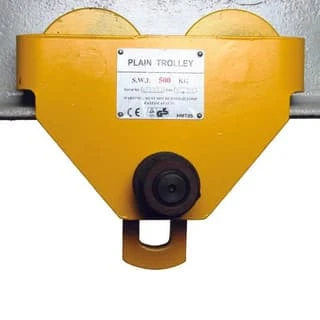

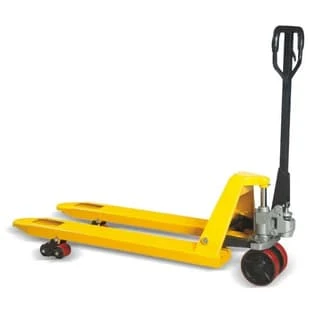
A lifting trolley is one of the most essential pieces of material handling equipment in warehouses, factories, workshops and commercial environments. It assists workers in moving heavy loads with less effort and improved safety. However, like any frequently used equipment, a lifting trolley can experience wear and performance decline if not properly maintained. Understanding how to care for this equipment not only extends its lifespan but also helps maintain workplace safety and efficiency.
This guide explores the best ways to maintain a lifting trolley for better performance. It covers inspection routines, cleaning practices, lubrication needs and safe usage habits that contribute to long term reliability.
Understanding the Importance of Lifting Trolley Maintenance
How Regular Maintenance Protects Staff and Equipment
Routine maintenance ensures the trolley functions smoothly. When the wheels roll correctly, the handle moves effortlessly and the platform stays stable, workers can perform tasks more safely. Poor maintenance leads to unexpected equipment failure which can result in injuries or product damage.
Why Performance Declines Without Proper Care
A lifting trolley experiences constant friction, pressure and environmental exposure. Dust, debris and moisture accumulate on different parts. Over time, these factors cause rust, reduced mobility and compromised stability. Maintenance helps prevent these issues before they escalate.
The Role of Maintenance in Extending Product Lifespan
A lifting trolley that is inspected and cleaned regularly can serve a business for many years. This reduces the need for replacements and minimises operational disruptions caused by equipment breakdowns.
Daily and Weekly Inspection Routines
Conducting Basic Visual Inspections
A daily inspection takes only a few minutes. Workers should check for cracks, dents and unusual markings on the frame, platform and handle. Any noticeable deformities may compromise the trolley’s load capacity and should be addressed immediately.
Testing the Movement of Wheels and Castors
Wheels must roll smoothly without wobbling or resistance. If movement feels uneven, the issue may be caused by worn bearings, misalignment or debris stuck around the wheel area. Regular inspection ensures that corrective actions can be taken before friction damages the wheel assembly.
Confirming the Stability of the Platform
The platform should feel secure and balanced. Any loose bolts or unusual vibrations can signal structural problems. If the platform tilts during movement, it may pose risks when transporting heavy loads.
Checking the Brake System
Some lifting trolleys include a brake mechanism. Workers should test the brake to ensure it locks and releases correctly. Faulty brakes reduce control and increase the likelihood of accidents.
Cleaning Practices That Improve Lifting Trolley Performance
Removing Dust and Debris
Dust and small particles accumulate in moving parts, particularly around wheels and pivot points. A simple cleaning routine involving a soft brush or dry cloth helps remove debris before it affects mobility.
Cleaning Surfaces for Hygiene and Safety
Work environments such as food facilities, pharmaceutical units or high traffic warehouses require clean equipment for hygiene compliance. Wiping down surfaces with mild cleaning solutions keeps the trolley presentable and safe to handle.
Addressing Rust and Corrosion Risks
Moisture exposure creates rust, especially on metal components. Rust not only weakens the structure but also increases friction. Workers should dry the trolley if it comes into contact with water. In addition, applying protective coatings can prevent corrosion in high humidity environments.
Lubrication and Mechanical Care
Lubricating Moving Parts
Wheels, axles and bearings perform better when lubricated. Proper lubrication reduces friction and minimises the strain placed on the trolley. Applying a suitable lubricant at scheduled intervals helps ensure smooth and quiet operation.
Avoiding Over Lubrication
Although lubrication is essential, excessive application attracts dust and dirt. The right balance keeps the trolley running efficiently without creating new maintenance problems.
Inspecting and Tightening Fasteners
Bolts, screws and nuts gradually loosen with constant use. Workers should tighten them as part of a monthly or quarterly maintenance routine. This prevents structural instability that might compromise safety.
Proper Usage Habits That Reduce Wear
Ensuring the Trolley Is Used Within Weight Limits
Every lifting trolley has a recommended load capacity. Exceeding this limit strains the structure and increases the risk of bending, cracking or mechanical failure. Proper usage is one of the easiest ways to extend equipment life.
Distributing Weight Evenly
Uneven distribution of cargo puts pressure on specific parts of the trolley. Balanced placement helps maintain stability and prevents the trolley from tipping or becoming difficult to maneuver.
Pushing Instead of Pulling
Pushing provides better control and reduces the effort required to move heavy loads. It also protects the operator’s posture and keeps the trolley moving in a straight and stable path.
Avoiding Use on Damaged or Uneven Surfaces
Rough surfaces cause excessive vibration, which leads to wear on wheels and joints. When possible, operators should navigate through smoother areas or take care when moving over bumps or gaps.
Scheduled Professional Maintenance and Safety Checks
The Value of Annual Inspections
While daily checks are crucial, annual professional inspections offer a deeper evaluation. Technicians can identify hidden issues such as internal corrosion, weakened welds or alignment faults that are not visible during basic checks.
Replacing Worn Parts
No matter how well a lifting trolley is maintained, some parts will naturally wear out. Timely replacement of wheels, bearings and handle grips keeps the equipment reliable. Replacing worn components is far more economical than repairing major structural failures later.
Record Keeping for Maintenance Compliance
Maintaining logs of inspection dates, repairs and part replacements helps track equipment condition over time. This is especially important in industries where safety regulations apply.
Enhancing Safety Through Proper Staff Training
Teaching Workers Safe Handling Techniques
Even the best maintained lifting trolley cannot perform well if used incorrectly. Staff training ensures that workers know how to operate the equipment safely and understand the importance of proper load positioning.
Encouraging Responsibility for Equipment Care
When workers take ownership of maintenance, the trolley receives better everyday care. Encouraging employees to report issues early prevents small problems from escalating.
Promoting a Culture of Safety
Proper training and maintenance routines support a safer work environment. A lifting trolley in good condition reduces injury risks and promotes efficient workflow.
When to Consider Upgrading or Replacing a Lifting Trolley
Decreased Performance Over Time
If the trolley becomes increasingly difficult to maneuver or shows signs of reduced stability despite regular maintenance, it may be nearing the end of its operational lifespan.
Visible Structural Damage
Deep cracks, bent frames or severe corrosion can make the trolley unsafe. In such cases, replacement is the best option to maintain safety standards.
New Technology or Operational Needs
Sometimes upgrading to a modern lifting trolley improves workflow and efficiency. Newer models may offer enhanced features that support better performance.
Conclusion
Consistent maintenance practices help ensure that a lifting trolley performs reliably and safely throughout its lifespan. From daily inspections and regular cleaning to proper lubrication and responsible usage habits, each step contributes to smoother operation and reduced equipment wear. By prioritising care and routine checks, businesses can maintain safe working conditions while improving productivity. For quality lifting equipment and trusted solutions, customers can rely on UK Lifting Store.



























Sign in to leave a comment.