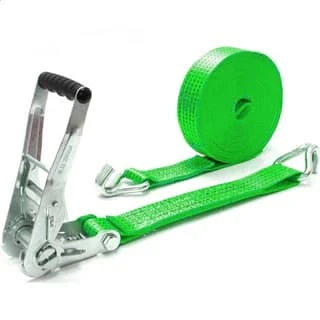

Securing loads safely is a critical part of transport, storage and material handling operations. Ratchet straps are among the most reliable tools for keeping cargo in place thanks to their impressive tension control and ease of use. However, if used incorrectly, they can cause damage to the load, the vehicle or the strap itself. Preventing harm requires understanding proper techniques, selecting the right equipment and using protective accessories when necessary.
This detailed guide explains how to prevent damage when tightening ratchet straps while maintaining maximum safety and efficiency.
Understanding Ratchet Straps and Their Purpose
What Ratchet Straps Are Designed For
Ratchet straps are strong tensioning tools created to secure cargo during lifting or transport. They consist of a polyester webbing strap attached to a ratchet mechanism that allows users to apply precise tension. Their strength and reliability make them ideal for securing everything from small boxes to heavy machinery.
Why Proper Tightening Matters
Incorrectly tightening ratchet straps can lead to over compression of cargo, strap wear or even dangerous breakage. Proper use ensures the load remains stable without causing harm.
Common Types of Damage Caused by Improper Tightening
Damage to the Load
One of the most frequent issues occurs when users apply excessive tension. Over tightening can dent, crush or deform sensitive items.
Surface Scratches and Abrasion
If the strap rubs against a sharp edge or unprotected surface, it may cause marks or scratches. Cargo with polished or fragile surfaces is particularly vulnerable.
Compression Damage
Boxes, appliances, furniture and plastic components can be crushed when too much force is applied. This not only affects the appearance but may also damage internal parts.
Strap Damage
Improper tightening may also reduce the lifespan of the ratchet straps.
Frayed Webbing
Excessive tension or rough contact with sharp corners can cause the strap fibers to fray or tear.
Bent or Damaged Hardware
The ratchet mechanism or hooks can become distorted when stressed beyond their intended capacity.
Vehicle or Equipment Damage
Incorrectly secured cargo can shift during transport, leading to scratches or dents on the vehicle platform or trailer.
Impact Marks From Shifting Loads
When the load is not evenly secured, it may slide forward or sideways and cause damage during movement.
Broken Tie Down Points
Over tightening can strain anchor points, leading to breakage.
How to Prevent Damage When Tightening Ratchet Straps
Choose the Correct Type of Ratchet Straps
Selecting the right strap is the first step to preventing damage.
Match the Strap Capacity to the Load
Every strap has a working load limit. Using a strap that is too weak for the weight creates risk, while using one that is far too strong may lead to over tightening. Matching the strap to the load encourages controlled tension.
Consider Strap Width and Length
Wider straps distribute pressure more evenly. Choosing the correct length prevents unnecessary slack that may require additional tightening.
Prepare the Load Before Securing
Proper preparation significantly reduces the chances of damage.
Remove Loose or Sharp Objects
Anything that might puncture or cut the strap should be cleared. If removal is not possible, protective padding should be added.
Position the Cargo Correctly
Placing the load in a stable and balanced position minimises movement and reduces the amount of tension required.
Use Protective Accessories
Accessories provide an additional layer of safety between the strap and the load.
Use Corner Protectors
Corner protectors help prevent abrasion and tearing. They distribute pressure across a larger surface area and protect fragile edges.
Apply Soft Padding Where Needed
Soft materials such as foam blocks, towels or rubber pads can be placed between the strap and sensitive surfaces to prevent marks or dents.
Tighten the Ratchet Straps Correctly
How the strap is tightened plays a major role in preventing damage.
Avoid Over Tightening
Over tightening is one of the main causes of load damage. Operators should tighten the strap only until the load becomes secure, not to the point where the strap digs into the material. A gentle yet firm tension is often sufficient.
Use Smooth and Controlled Motion
The ratchet handle should be pumped slowly and steadily. Rapid or forceful movements make it harder to gauge tension and increase the risk of excessive tightening.
Check Tension Frequently
While tightening, pause to inspect the strap. If the strap begins to deform the surface of the load, tension should be reduced.
Position the Straps Properly
Correct positioning ensures even pressure and reduces stress.
Place Straps Over the Strongest Parts of the Load
Avoid placing straps over fragile areas. If the load includes panels, vents or decorative surfaces, aim for reinforced sections instead.
Maintain Straight Strap Alignment
Twisted straps reduce strength and increase wear. The strap should lie flat and straight along the length of the cargo.
Avoid Sharp Edges
Sharp edges present a significant risk to both the load and the ratchet straps.
Inspect for Abrasive Corners
Metal frames, wooden crates or machinery parts often have sharp corners. Without protection, these areas may cut into the strap.
Add Edge Protection for Safety
Reusable edge guards or sleeves can help prevent premature strap failure and reduce damage.
Check All Hardware Before and After Use
Healthy equipment leads to safe tensioning.
Inspect the Ratchet Mechanism
If the ratchet handle or gears stick, lock or appear bent, the strap may tighten unevenly. Proper maintenance helps ensure smooth operation.
Examine Hooks and Anchor Points
All hooks must be fully engaged and anchor points should be positioned correctly. Weak tie points can fail under pressure.
Avoid Sudden Force or Impact
Smooth lifting or transport reduces pressure on the straps.
Secure the Load in Stages
Gradual tightening and careful adjustments allow the load to settle into place without stress.
Monitor the Load During Transport
Even with proper tightening, some loads may shift slightly. Checking the straps periodically helps maintain safety.
Use Multiple Straps When Necessary
Relying on a single strap increases the risk of over tightening.
Distribute Pressure Evenly
When multiple straps are used, each one carries part of the load. This allows for gentler tension and reduces damage risk.
Improve Overall Stability
More straps mean better stability, especially for large or irregular items.
Follow Manufacturer Guidelines
Guidelines provide important details that prevent misuse.
Understand the Strap Ratings
Knowing the working load limit and break strength helps operators apply appropriate tension.
Use the Correct Ratchet Technique
Different ratchet styles may require specific tightening methods. Following instructions ensures proper performance.
Tips for Special Situations
Securing Fragile Items
Fragile items such as furniture, appliances or electronics require extra care.
Use Soft Strap Options
In some cases, soft tie down straps or padded straps are better for delicate surfaces.
Add Extra Padding
Wrapping the load with blankets or foam provides additional protection.
Securing Large Machinery
Heavy equipment often has protruding parts or delicate components.
Protect Sensitive Areas
Covers, sleeves and guards ensure that no part of the machine is scratched or crushed.
Use Multiple Tie Points
More tie points ensure balanced tension and improved safety.
Outdoor or Long Distance Transport
Weather conditions can affect the performance of ratchet straps.
Inspect for Moisture Exposure
Wet straps may lose tension. Regular checks help maintain stability.
Recheck Tension After Temperature Changes
Heat and cold can cause expansion or contraction. Adjustments may be required.
Conclusion
Ratchet straps are essential tools for securing loads safely, but proper technique is necessary to prevent damage during tightening. By selecting the right equipment, positioning the straps correctly, avoiding sharp edges, applying controlled tension and using protective accessories, operators can secure loads without causing harm. Consistent inspection, careful handling and awareness of load requirements all contribute to safe and effective use. For high quality ratchet straps and dependable lifting solutions, customers can trust UK Lifting Store.




























Sign in to leave a comment.