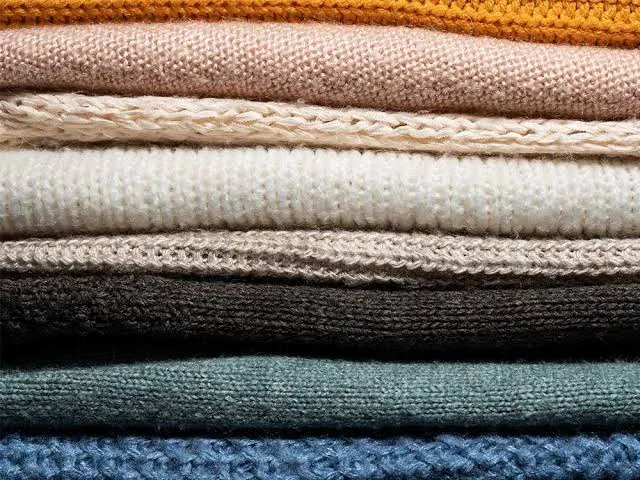

Modern knitting has evolved significantly over the past decade, driven by innovation, sustainability, and changing consumer demands. One of the biggest factors influencing the quality, comfort, and performance of knitted products is the choice of fabrics and materials. According to the latest Knitting Industry News, manufacturers are increasingly investing in advanced fibers that offer durability, flexibility, and environmental benefits.
Whether producing sportswear, casual apparel, medical textiles, or technical fabrics, selecting the right material plays a crucial role in achieving superior results. This article explores the most widely used fabrics and materials in modern knitting and highlights the latest industry trends.
Why Fabric Selection Matters in Modern Knitting
The performance of any knitted garment depends heavily on the yarn and fiber used during production. Different materials provide varying levels of stretch, breathability, moisture management, softness, and durability.
Recent Knitting Industry News reports emphasize that manufacturers are prioritizing sustainable and high-performance fibers to meet growing global demand for eco-friendly and premium-quality apparel.
1. Cotton – The Most Popular Knitting Fiber
Cotton remains one of the most preferred materials in the knitting industry due to its natural softness and excellent breathability.
Advantages:
- Soft and comfortable
- Highly breathable
- Skin-friendly
- Excellent moisture absorption
- Easy to dye
Cotton is commonly used for:
- T-shirts
- Polo shirts
- Baby clothing
- Innerwear
- Casual knitwear
Organic cotton has also gained popularity as sustainability becomes a major focus in global textile manufacturing.
2. Polyester – The Performance Champion
Polyester continues to dominate modern knitting because of its durability and cost-effectiveness.
Key benefits include:
- Wrinkle resistance
- High strength
- Quick drying
- Excellent color retention
- Easy maintenance
Many sportswear brands combine polyester with other fibers to improve flexibility and moisture management.
According to recent Knitting Industry News, recycled polyester is becoming one of the fastest-growing materials in textile production due to increasing environmental awareness.
3. Viscose – Smooth and Elegant
Viscose offers a silky texture and luxurious appearance while maintaining good breathability.
Common applications include:
- Fashion garments
- Women's wear
- Lightweight sweaters
- Blended knit fabrics
Its softness makes it an excellent alternative to natural silk at a lower cost.
4. Wool – Premium Warmth and Comfort
Wool remains a premium choice for winter knitwear.
Benefits include:
- Excellent insulation
- Natural elasticity
- Moisture regulation
- Odor resistance
- Long lifespan
Popular wool types include:
- Merino wool
- Lambswool
- Cashmere blends
Modern knitting technologies have made wool fabrics lighter, softer, and easier to maintain.
5. Bamboo Fiber – Sustainable Innovation
Bamboo yarn has emerged as an environmentally friendly option in modern knitting.
Advantages include:
- Naturally antibacterial
- Breathable
- Ultra-soft
- Biodegradable
- Moisture-wicking
As sustainability becomes a priority, bamboo fibers continue gaining attention in Knitting Industry News for their eco-friendly properties.
6. Nylon – Strength and Flexibility
Nylon is widely used where durability and elasticity are essential.
Applications include:
- Activewear
- Swimwear
- Compression garments
- Hosiery
- Performance apparel
When blended with cotton or spandex, nylon creates fabrics with enhanced durability and comfort.
7. Spandex (Elastane) – Maximum Stretch
Spandex is rarely used alone but is one of the most important fibers in modern knitting.
Benefits:
- Exceptional elasticity
- Shape retention
- Comfort fit
- Flexibility
- Improved garment recovery
Nearly every sportswear and athleisure product contains a small percentage of spandex.
8. Recycled Fibers – The Future of Knitting
Sustainability has become a defining trend in today's textile industry.
Manufacturers now use:
- Recycled polyester
- Recycled cotton
- Recycled nylon
- Regenerated cellulose fibers
Latest Knitting Industry News indicates that brands worldwide are adopting recycled materials to reduce carbon emissions and textile waste.
Consumers increasingly prefer environmentally responsible products, encouraging manufacturers to invest in circular production systems.
Smart Fiber Blends
Modern knitting often combines multiple fibers to maximize performance.
Popular blends include:
- Cotton + Polyester
- Cotton + Spandex
- Polyester + Viscose
- Wool + Nylon
- Bamboo + Cotton
These combinations improve durability, comfort, wrinkle resistance, moisture management, and overall garment quality.
Technology Driving Material Innovation
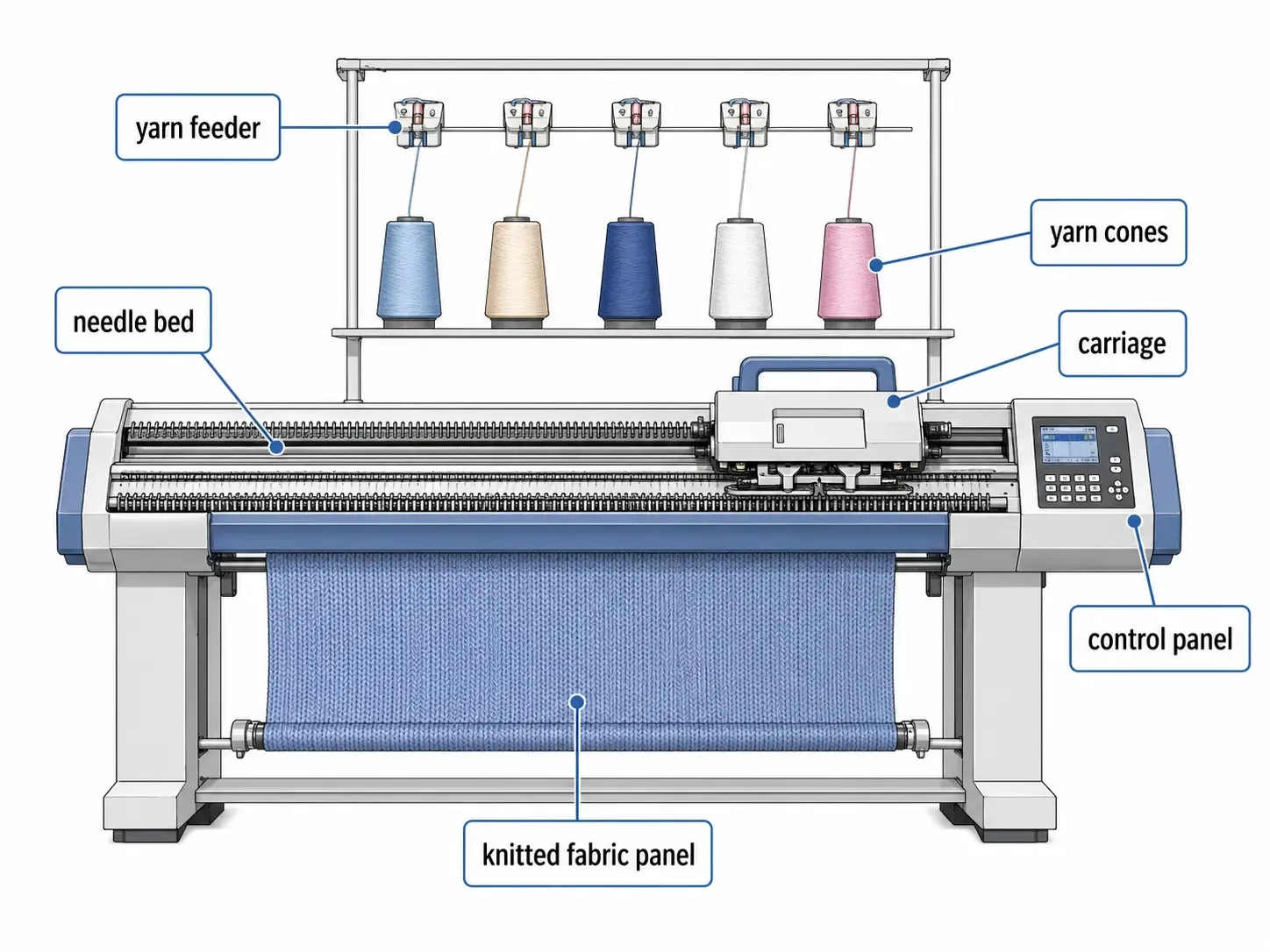
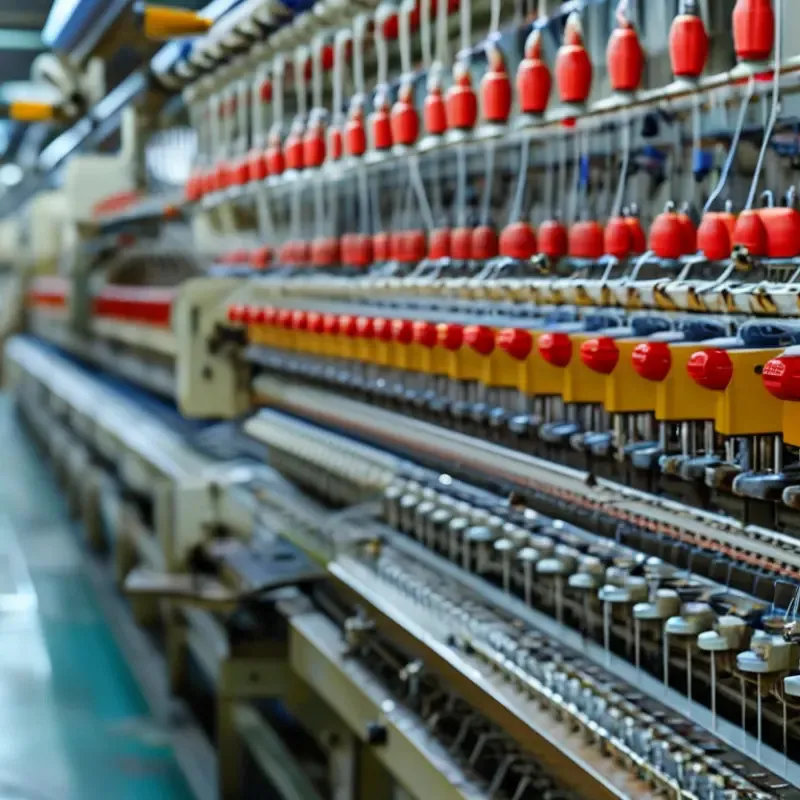
Advanced knitting machines now support a wider variety of yarns and engineered fibers.
Recent innovations include:
- Moisture-management yarns
- Anti-bacterial fibers
- UV-protection fabrics
- Cooling textiles
- Temperature-regulating materials
- Smart wearable textiles
Automation and digital knitting technologies allow manufacturers to optimize yarn usage while reducing production waste.
Sustainability in Modern Knitting
Environmental responsibility is now a central focus for textile manufacturers. Companies are adopting sustainable practices such as:
- Using eco-friendly dyes
- Recycling textile waste
- Reducing water consumption
- Improving energy efficiency
- Choosing biodegradable fibers
These initiatives not only reduce environmental impact but also enhance brand reputation and meet consumer expectations for sustainable fashion.
Future Trends in Knitting Materials
Industry experts predict continued growth in:
- Bio-based fibers
- Smart textiles
- Functional yarns
- Recycled materials
- Digital knitting technologies
- Circular textile production
Manufacturers that embrace these innovations will remain competitive in an increasingly dynamic global market.
Conclusion
The future of knitting depends on selecting the right combination of fabrics, advanced technologies, and sustainable materials. Cotton, polyester, wool, bamboo, viscose, nylon, and recycled fibers each offer unique advantages for different applications. As highlighted in the latest Knitting Industry News, innovation and sustainability are shaping the next generation of knitted textiles.
At Knitting Industry, we stay committed to delivering the latest insights, technological advancements, and market developments that help textile professionals make informed decisions. By keeping up with emerging materials and production trends, businesses can improve product quality, enhance efficiency, and meet the evolving demands of the global apparel and textile market.


























Sign in to leave a comment.