
If you’re planning Europe trips for UAE residents and want something beyond sightseeing, timing your trip around a festival changes everything. Cities feel different. Streets come alive. And you’re not just observing—you’re part of it.
But festivals in Europe aren’t all smooth, cinematic experiences. Some are crowded, chaotic, overpriced if you plan poorly. Others are surprisingly accessible if you get the timing right.
I’ve been to a mix—some lived up to expectations, some didn’t. The difference usually came down to preparation, not the festival itself.
Here are the ones worth considering in 2026—and what you should know before committing.
1. Oktoberfest: Big, Loud, and Surprisingly Structured
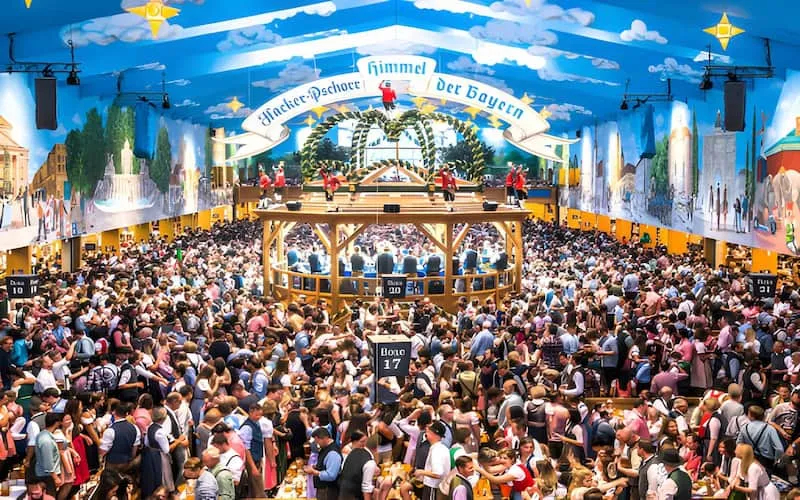
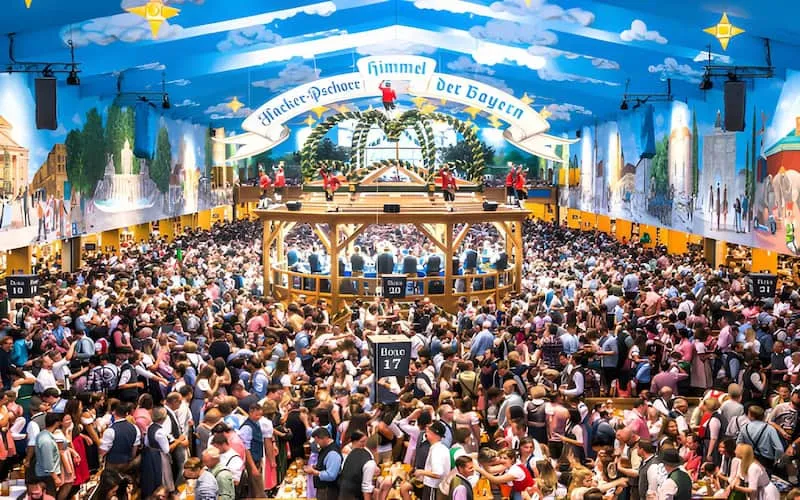
Oktoberfest in Munich is one of those events everyone knows. And yes—it’s as big as it sounds.
Massive beer tents. Thousands of people. Music, food, constant movement.
But here’s what people don’t expect: it’s actually well organized.
I went in expecting chaos. Instead, I found structure—designated tents, clear systems, surprisingly efficient service.
What works:
- Strong atmosphere
- Well-managed crowds (within limits)
- Easy to meet people
Where trips go wrong: Not booking accommodation early. Prices spike dramatically.
2. La Tomatina: Fun, Messy, Short
La Tomatina is simple. You throw tomatoes for about an hour. That’s it.
It’s chaotic, messy, and oddly satisfying.
I remember thinking it might feel gimmicky—but once it starts, you stop overthinking it.
Reality check:
- The main event is short
- The town gets extremely crowded
- You’ll be covered in tomatoes
Tip: Combine it with time in Valencia. Don’t build an entire trip around just this.
3. Venice Carnival: Visual, But Timing Matters
Venice Carnival looks incredible—masks, costumes, historic backdrops.
And it is. But only if you catch it at the right moments.
Midday? Crowded, slightly overwhelming.
Early morning or late evening? Completely different.
I walked through Venice at sunrise during Carnival—almost empty, costumed figures moving quietly through the fog. That’s the version you want.
Best approach:
- Focus on early mornings
- Avoid peak afternoon crowds
- Stay centrally if possible
Most people miss this: The quieter, more atmospheric hours.
4. Tomorrowland: Polished and Intense
Tomorrowland is one of the most famous music festivals in the world.
It’s large, expensive, and extremely well produced.
Even if you’re not deeply into electronic music, the scale is impressive.
I attended once out of curiosity. Left understanding why people return every year.
What stands out:
- High production quality
- International crowd
- Well-organized logistics
Where it goes wrong: Underestimating costs—tickets, accommodation, travel all add up quickly.
5. Edinburgh Festival Fringe: Creative, Overwhelming, Worth It
The Fringe isn’t one event—it’s thousands.
Comedy, theatre, street performances, unexpected shows everywhere.
It can feel overwhelming at first.
I made the mistake of trying to plan everything in advance. It didn’t work. The best moments came from walking around and choosing shows spontaneously.
How to approach it:
- Don’t over-plan
- Leave room for random discoveries
- Book a few key shows in advance
Tip: Accommodation fills up early—book ahead.
6. Running of the Bulls: Intense, Not for Everyone
San Fermín is famous for the bull run. But the festival itself is bigger than that.
Music, street celebrations, all-day energy.
The bull run is serious. Dangerous if you’re participating.
I watched rather than joined. That felt like the right choice.
What to expect:
- High energy, day and night
- Crowded streets
- Strong local traditions
Honest take: You don’t need to run with the bulls to experience the festival.
7. St. Patrick's Festival: Accessible and Fun
Dublin during St. Patrick’s Day is lively without being overwhelming.
Parades, music, street events—easy to join in without needing detailed planning.
It’s one of the more approachable festivals if you’re not looking for something too intense.
Why it works:
- Friendly atmosphere
- Easy to navigate
- Good mix of locals and visitors
How to Choose the Right Festival
Not all festivals suit every traveler.
Ask yourself:
- Do you want high energy or something more cultural?
- Are you okay with crowds?
- Do you prefer structured events or spontaneous experiences?
I’ve enjoyed both ends—but they require different mindsets.
Practical Tips That Actually Matter
- Book early (especially for accommodation)
- Arrive a day before the main event
- Have a loose plan, not a rigid one
- Expect higher prices during festivals
This is where most trips fall apart—poor timing and last-minute planning.
Where Festival Trips Go Wrong
A few patterns:
- Building an entire trip around one short event
- Underestimating crowds
- Not allowing time to recover (yes, that matters)
- Ignoring logistics like transport and accommodation
Festivals are intense. Balance them with quieter days.
Final Thoughts
Festivals give Europe a different rhythm.
You’re not just visiting—you’re stepping into something already happening.
If you’re planning Europe trips for UAE residents, choosing the right festival can define your entire experience. But it only works if you approach it realistically.
Pick one or two events. Plan ahead. Stay flexible.
And don’t expect perfection—expect energy, unpredictability, and moments that feel a bit unscripted.
That’s what makes festivals worth it.
FAQs
1. What is the best festival in Europe in 2026?
It depends on your interests—Oktoberfest for social energy, Tomorrowland for music, Venice Carnival for visuals.
2. When should I book for European festivals?
At least 3–6 months in advance, especially for accommodation.
3. Are festivals in Europe expensive?
They can be, especially during peak dates. Planning early helps reduce costs.
4. Which festival is best for first-time visitors?
St. Patrick’s Festival in Dublin is easy and welcoming.
5. Can I attend multiple festivals in one trip?
Yes, but limit it to 1–2 to avoid exhaustion.
6. Are European festivals safe?
Generally yes, but stay aware in crowded areas.
7. What’s the biggest mistake travelers make?
Poor planning—especially around accommodation and timing.












Sign in to leave a comment.